





Hung Plate Display
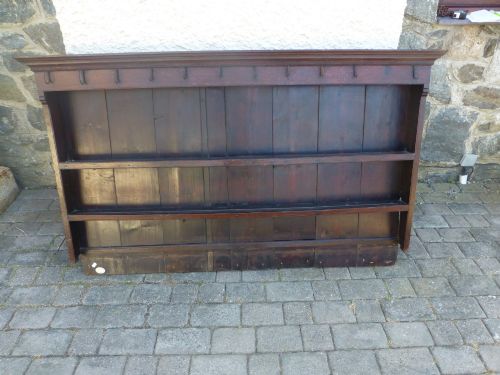
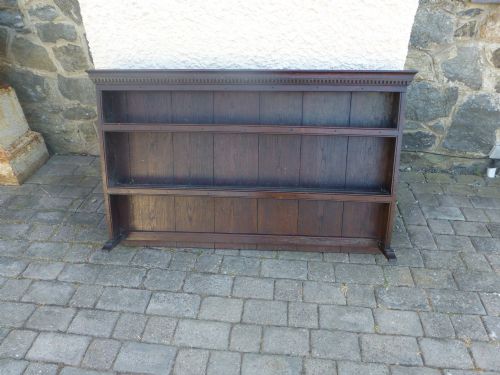
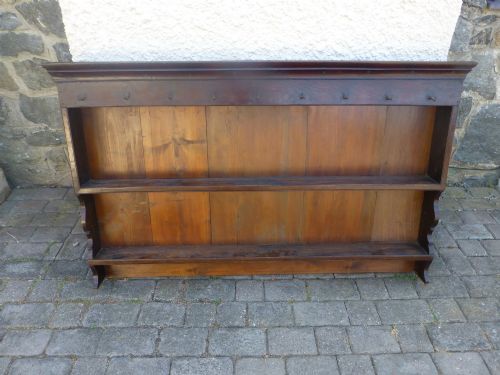
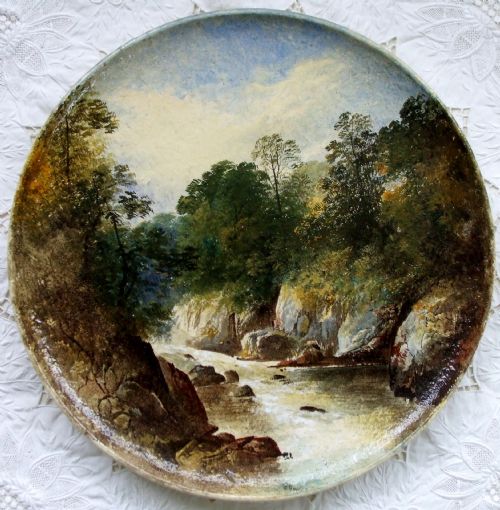
These hung plate display pieces range from timber racks to ceramic chargers, offering a traditional way to organise and show off vintage tableware on walls.
Hung Plate Display
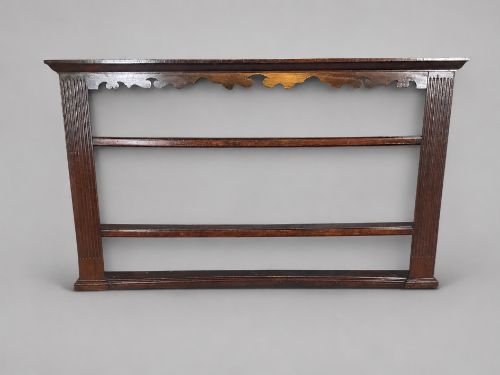
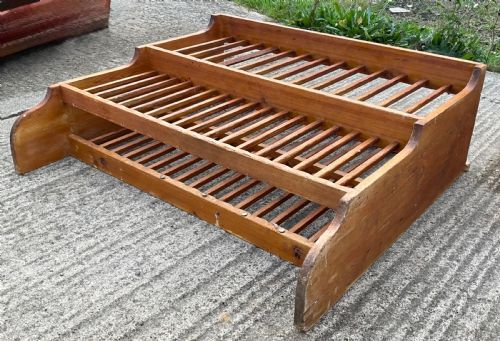
A hung plate display brings together wall-mounted shelving and decorative ceramics designed to utilise vertical space for storage and presentation. Buyers searching for a hung plate display will encounter everything from utilitarian wooden plate racks to vibrant porcelain chargers hung securely on walls.
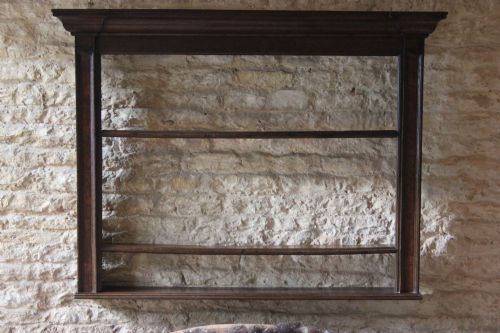
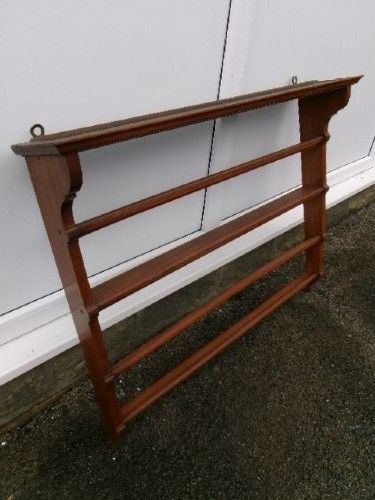
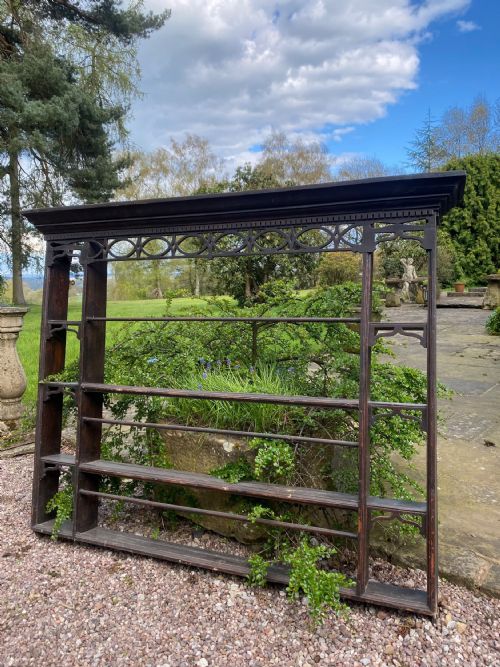
The most common versions seen here are eighteenth and nineteenth-century oak or mahogany plate racks alongside Japanese Imari and English earthenware chargers. These forms descend from country house and domestic kitchen traditions where plates needed both safe storage and visible display.
Period examples include Georgian oak delft racks, Edwardian painted wall shelves, and Victorian ceramic plaques. Each piece reflects the interior domestic habits of its era, balancing practical tableware storage with decorative wall ornament.
How they were made
Makers utilised solid timbers such as oak, mahogany, and cherry to construct hanging shelves and plate racks, employing traditional joinery to support the weight of heavy ceramics. Surfaces were often left as polished hardwood, painted in period colours like Pompeian ash, or finished with marquetry details.
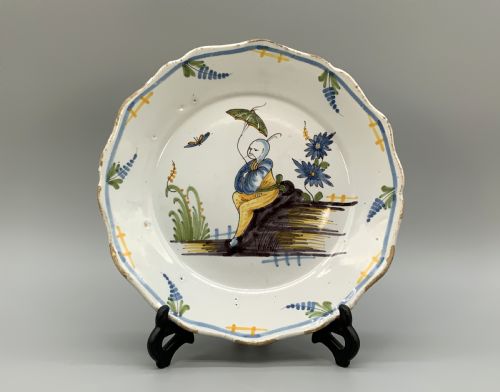
Ceramic chargers and plates relied on porcelain or earthenware bodies finished with glaze, enamel, and hand-painted or transfer-printed decoration. Kiln-fired pigments created the deep blues, manganese purples, and Imari colours characteristic of these wall plates.
Hung Plate Display Retail Price Guide 2026
Typical asking prices for hung plate display among the pieces listed under this phrase on Sellingantiques today, from the lower quarter to the upper quarter. They describe what is for sale here now, not the wider market.
One unexpected wall mirror comes complete with a painted soldier standing ready to inspect your reflection.
What varies in quality
The standard of a hung plate display depends largely on the crispness of timber construction, the integrity of structural hanging points, and the depth of joinery skill. Superior wooden racks exhibit well-proportioned mouldings and original timber surfaces without excessive replacement wood.
For ceramic components, quality rests in the clarity of the hand-painted glaze, the richness of the enamel palette, and the preservation of the original surface decoration. Pieces displaying finer brushwork and well-balanced compositions stand apart from simpler utilitarian items.
The Hung Plate Display Glossary
- Delft rack
- A wooden wall rack specifically designed with grooves and retaining rails to hold earthenware plates upright. These fixtures originated in domestic kitchens to display tin-glazed earthenware.
- Imari
- A style of Japanese porcelain decorated in underglaze blue, iron red, and gilt. British and European makers later adopted these distinctive colour schemes on local ceramic bodies.
- Faience
- European tin-glazed earthenware produced in imitation of Chinese porcelain and traditional Dutch delftware. It often displays rich manganese, yellow, or blue pigments.
- Charger
- A large decorative plate intended primarily for display on a sideboard or wall rather than for dining use. They provide substantial surfaces for painted foliage and figurative scenes.
- Marquetry
- The art of applying decorative veneer pieces to a wooden structure to form geometric or pictorial patterns. This technique elevates utilitarian wall furniture into decorative cabinetry.
Hung Plate Display: Frequently Asked Questions
How do I hang a heavy plate rack?
Heavy wooden plate racks require secure fixings screwed directly into wall studs or masonry using appropriate wall plugs. The distributed weight of stacked plates makes stable wall attachment essential for safety.
Ensure the mounting brackets or internal hanging batons are fastened firmly to the structure of the piece before loading any ceramics onto the shelves.
Were these racks made for kitchens?
Many oak and mahogany plate racks originated in country house kitchens, pantries, and dining rooms where everyday tableware needed to dry and remain accessible. Over time, lighter decorative versions moved into sitting rooms and hallways.
Their primary function shifted from active domestic utility to the ornamental exhibition of prized ceramic chargers and commemorative plates.
How do I date an oak plate rack?
Dating relies on timber characteristics, construction methods, and hardware such as hand-wrought iron fixings or early brass screws. Eighteenth-century examples often display pegged mortise and tenon joints in native oak.
Later nineteenth-century and Edwardian pieces show machine-sawn lumber, different backing boards, and styles influenced by Gothic Revival or simple country aesthetics.
Can modern plates fit antique racks?
Antique plate racks were built to accommodate specific historical plate depths and diameters, which often differ from modern dinnerware dimensions. Older delft racks feature narrower display grooves suited to thinner earthenware.
Checking the depth of the display ledge and the height between shelves helps determine whether contemporary ceramics will sit securely without tipping forward.