


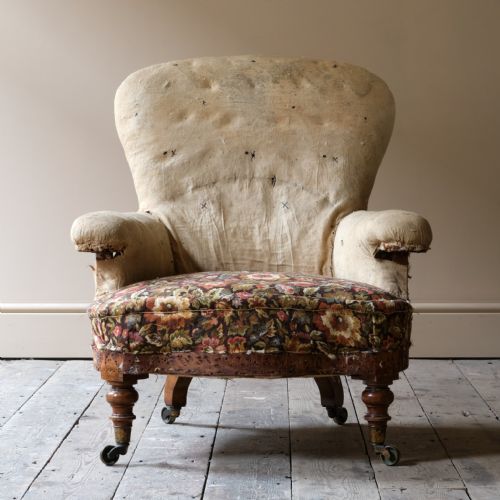

Howard Sons Easy Chair
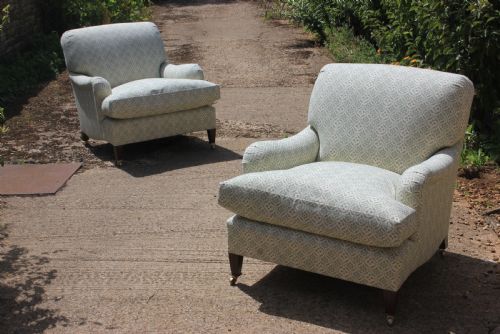
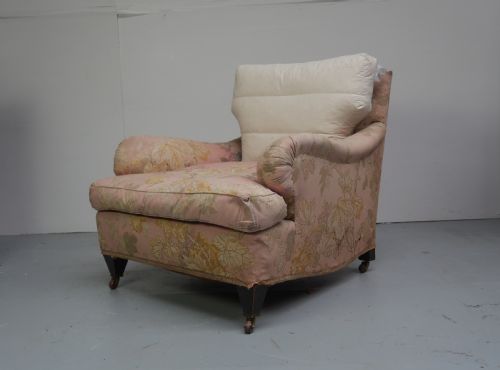
A howard sons easy chair delivers deep comfort through sprung upholstery and traditional English country house character.
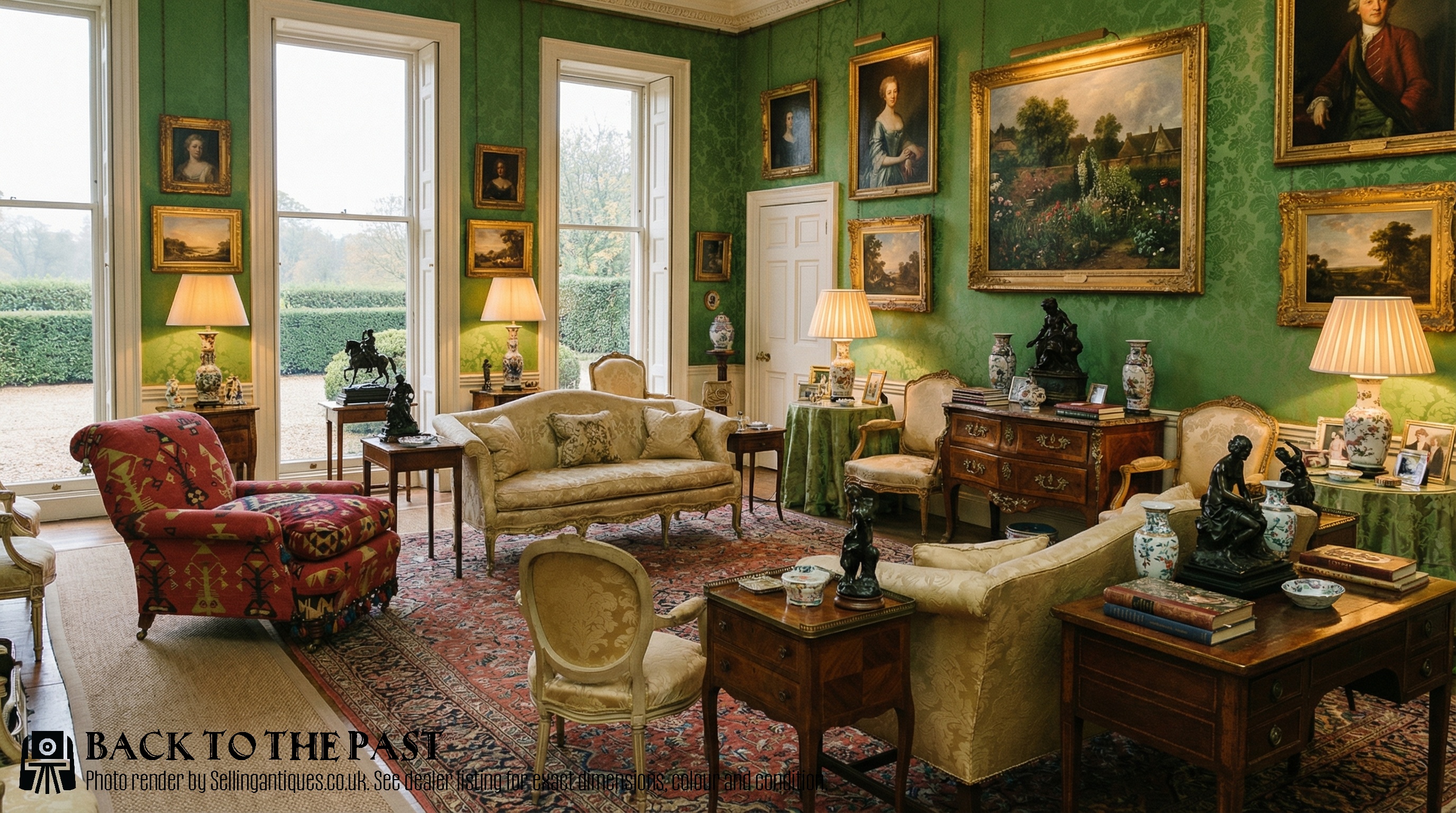
Howard Sons Easy Chair
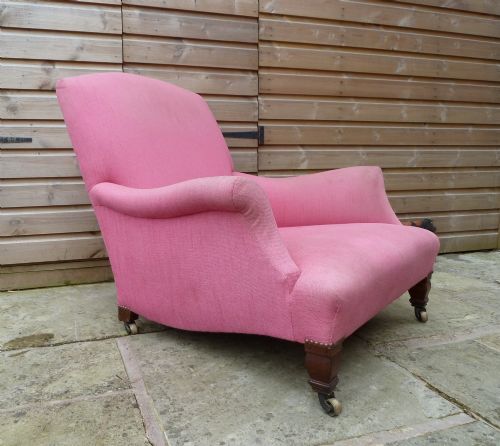
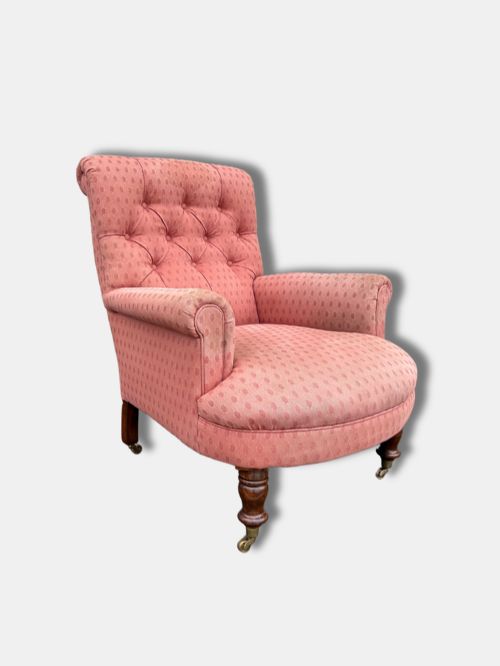
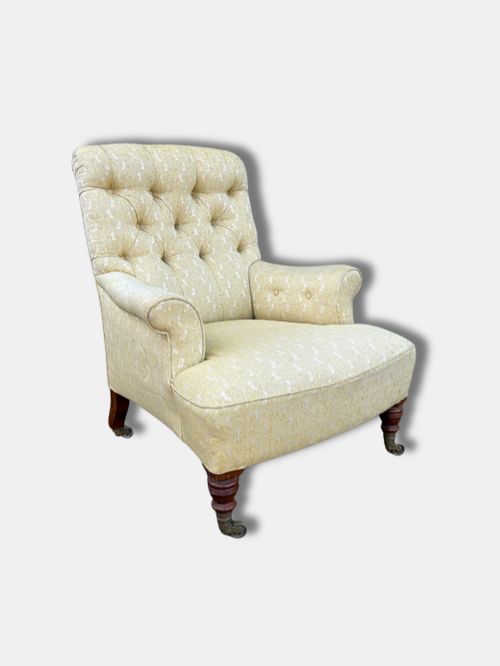
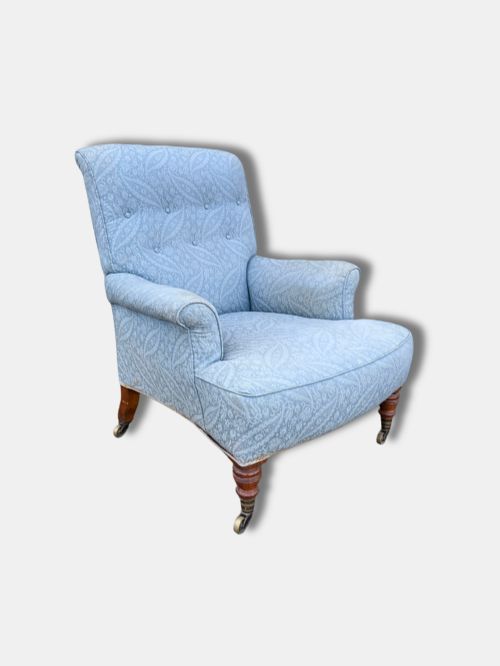
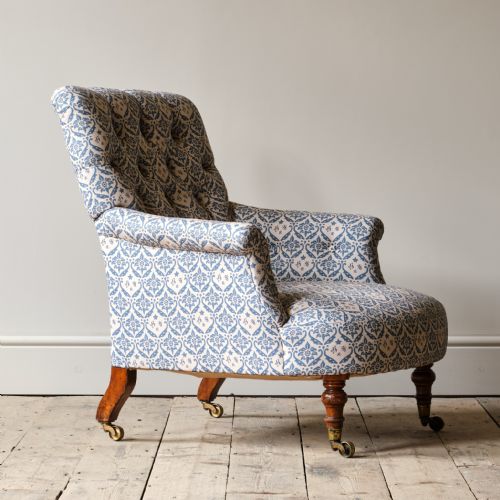
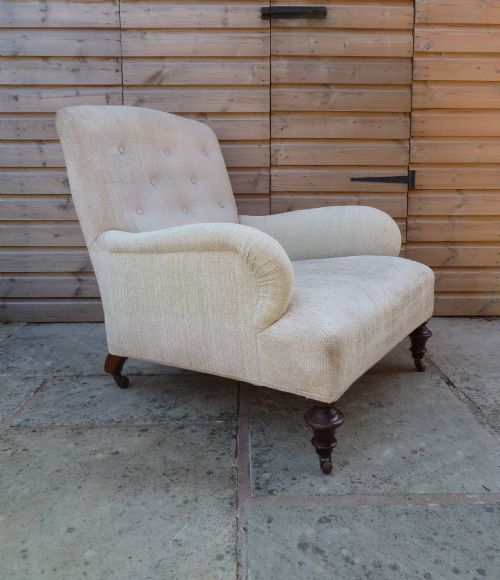
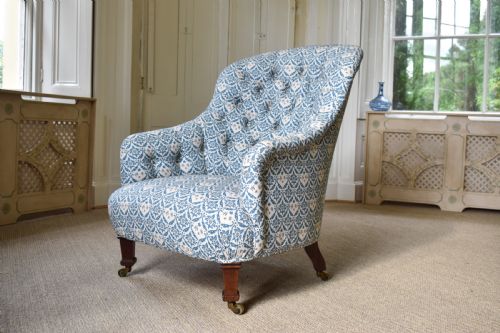
A howard sons easy chair represents the benchmark of Victorian and Edwardian seating comfort, originating from prominent workshops of the period. Buyers encounter various iterations on this page, ranging from fully stamped maker pieces to later pieces created in the distinct Howard style.
The selection encompasses specific named models such as the Ingleby, Ennismore, Grafton, Ivor, Bridgewater, and Woodstock designs. These armchairs span the nineteenth century into the Edwardian era, often retaining their low proportions and generous seats.
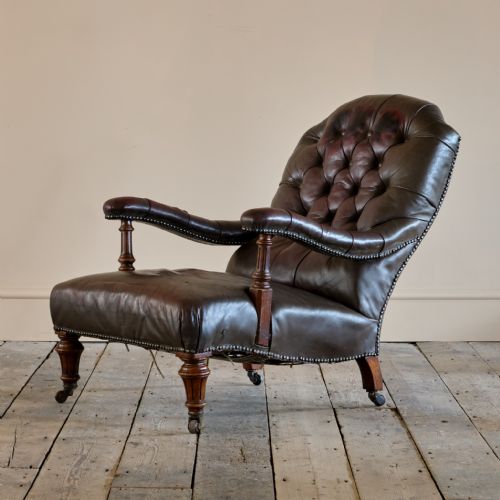
Makers such as James Shoolbred and Trollope & Sons also appear alongside pieces influenced by William Morris fabric choices. The form primarily manifests as club armchairs, button back chairs, and open armchairs suited for traditional interiors.
Materials and construction
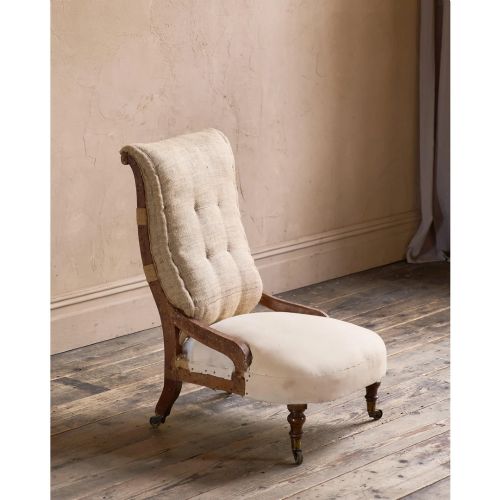
Construction relies on sturdy internal frames fashioned from mahogany and walnut, providing a robust skeleton for the upholstery. Brass and wooden castors frequently support the legs, allowing easy movement across floors.
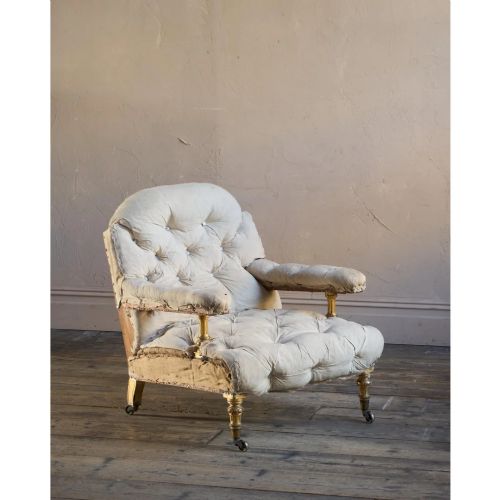
Upholstery layers utilise traditional stuffing held by hessian and cotton foundations, often finished in ticking, leather, or patterned fabric. The meticulous inner springing system delivers the characteristic resilience expected from this maker.
Early workshop records show makers hid numbered stamps beneath the castors so clients could easily verify authentic pieces.
Separating top examples from standard pieces
Quality rests upon the presence of original stamps, serial numbers, and intact maker markings on the castors or frame. Fully documented provenance and untouched original frames elevate an armchair significantly above unmarked later interpretations.
The integrity of the internal spring suspension and the preservation of original upholstery materials determine the desirability of an individual piece. Finer examples retain their factory proportions and authentic support structure without modern rebuilding compromises.
Howard and Sons·James Shoolbred·Trollope and Sons
The Howard Sons Easy Chair Glossary
- Castor
- A small wheel mounted on a swivel attached to the foot of the armchair leg. Original brass examples often bear manufacturer stamps.
- Button back
- An upholstery technique where depressions are formed in the backrest by pulling buttons deep into the stuffing. This method secures the padding and creates a tufted appearance.
- Club armchair
- A low, deep-seated upholstered chair designed for lounging. This form provides substantial armrests and a supportive back.
- Open armchair
- A seating design featuring exposed wooden arms without upholstered padding. Mahogany and walnut frameworks are frequently showcased in this style.
Howard Sons Easy Chair: Frequently Asked Questions
How do I identify an authentic piece?
Look for maker stamps on the back legs and stamped numbering on the brass castors. Genuine pieces also exhibit specific traditional upholstery builds characteristic of the nineteenth century workshops.
Comparing the frame proportions and timber quality against documented examples helps confirm authenticity. Many pieces also carry paper labels or stamps directly on the webbing.
What fabric should these chairs use?
Traditional upholstery frequently employs heavy ticking, plain cotton, or patterned textiles associated with English country houses. Green leather and William Morris fabrics also appear on notable period examples.
Selecting a fabric that respects the nineteenth century aesthetic maintains the character of the design. Neutral ticking remains a popular choice that highlights the classic lines of the frame.
How do I care for the upholstery?
Vacuum the fabric regularly using a low suction attachment to remove dust from the deep crevices. Protect the material from direct sunlight to prevent fading of the cotton or leather surfaces.
Professional cleaning is recommended for antique textiles to preserve the original stuffing. Avoid harsh chemical sprays near the wood and brass components.
Are these chairs comfortable for daily use?
The generous proportions and sprung seats make these armchairs exceptionally comfortable for relaxing. Their low seating height and deep cushioning are engineered for ergonomic support.
Well-maintained internal springing ensures the seating remains resilient over years of regular use. They function well as reading chairs in living rooms or studies.