


Howard Sons Arm Chair
A howard sons arm chair is a benchmark of English seating comfort, prized for deep proportions and enduring upholstery.
Howard Sons Arm Chair
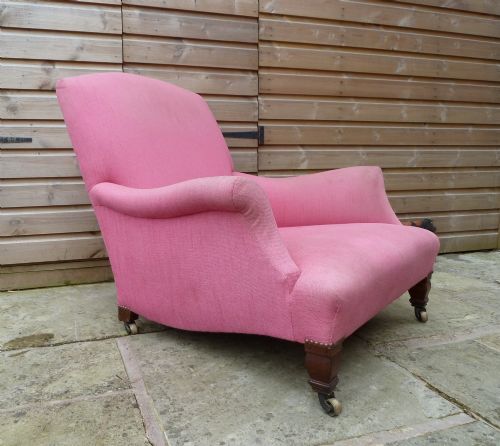
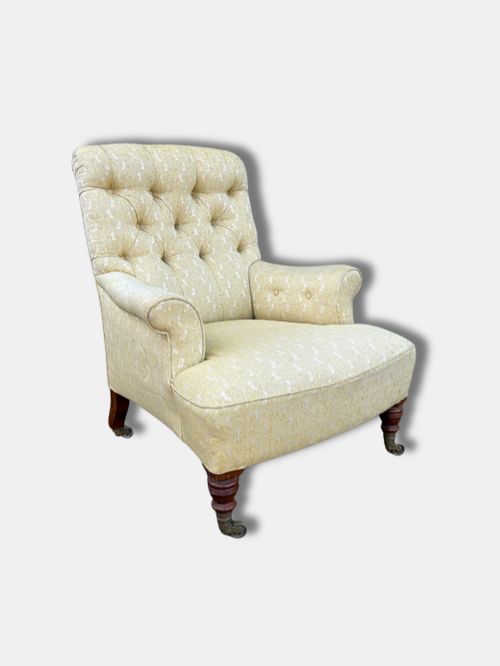
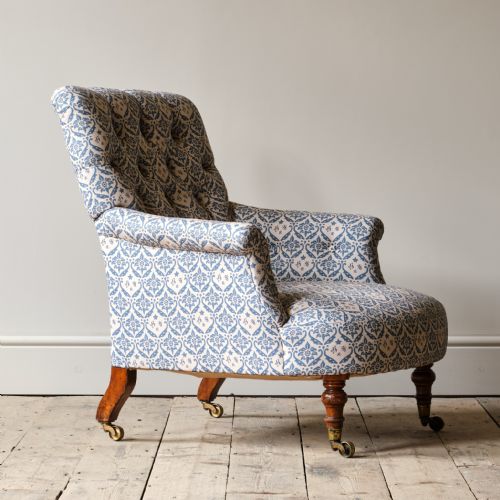
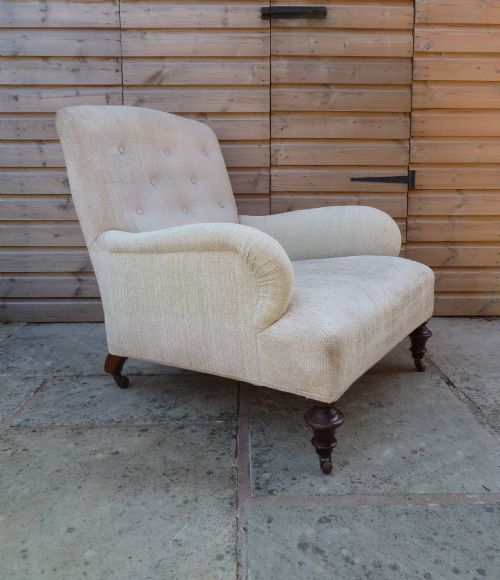
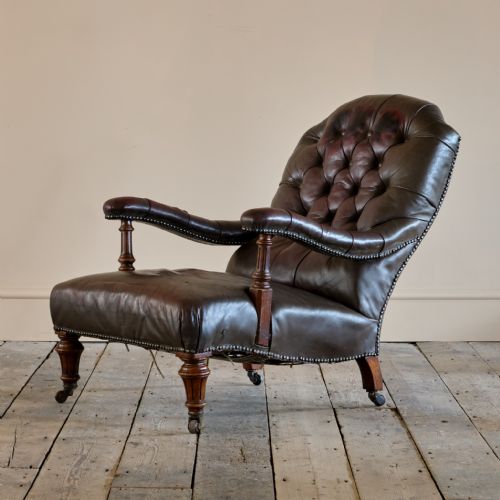
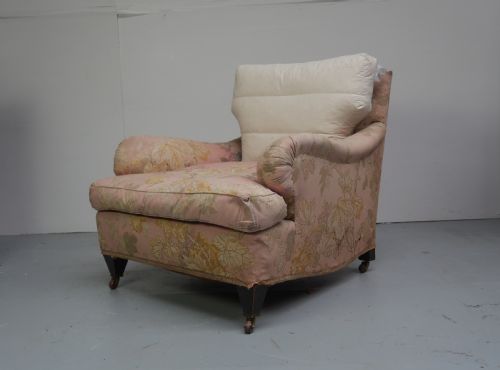
A howard sons arm chair combines generous proportions with traditional sprung comfort, originating primarily from the nineteenth century and the Edwardian era. You will encounter various iterations on this page, ranging from maker-stamped pieces to later pieces produced in the distinctive Howard style.
The forms span from club armchairs and open armchairs to specific models like the Bridgewater, Grafton, and Hammond. These seating choices suit English country house interiors and formal libraries alike, built for deep lounging.
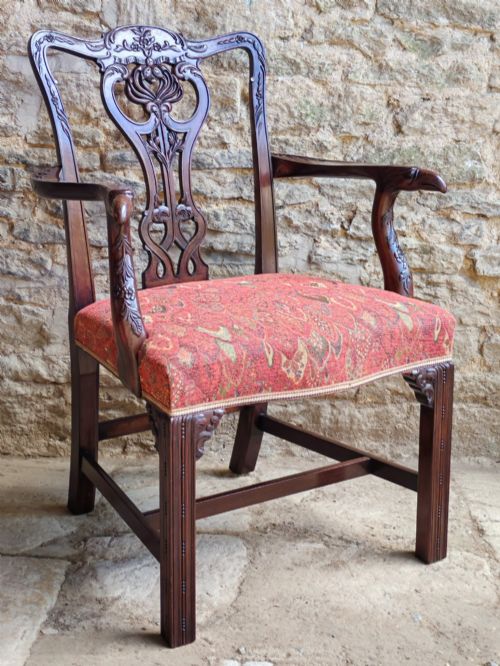
Many examples date through the Victorian period, whilst others carry influences from the Chippendale Revival or bear specific names such as Woodstock and Pickwell. The selection balances sturdy construction with refined seating profiles.
Distinguishing quality
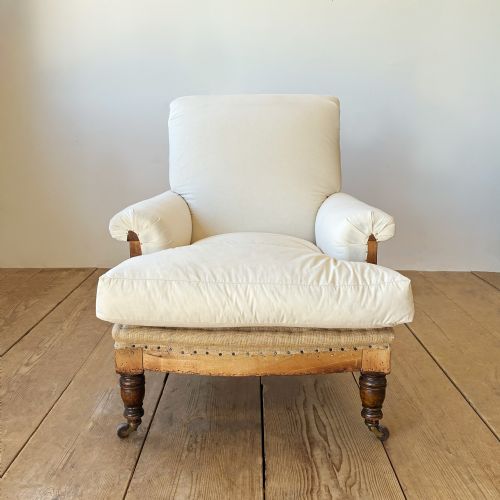
Quality rests in the integrity of the underlying frame and the retention of original upholstery foundations like ticking and hessian. Pieces bearing maker stamps or specific model names hold distinct status among collectors.
Proportion and execution define the hierarchy, separating genuine workshop production from later stylistic interpretations. The precision of the woodwork and the resilience of the sprung interior dictate lasting value.
Listings span the nineteenth century, Victorian era, and Edwardian period, utilising mahogany, walnut, brass, cotton, and calico.
Howard and Sons·Trollope and Sons
The Howard Sons Arm Chair Glossary
- Bridgewater armchair
- A signature low-armed seating design associated with comfort and deep upholstery. This model remains one of the most recognisable forms produced by the firm.
- Grafton armchair
- A specific model designation identified by its particular frame proportions and arm shape. Collectors look for this name when seeking recognised workshop variants.
- Ticking
- A tightly woven cotton or linen fabric traditionally used as an under-upholstery layer to contain stuffing. Original ticking adds authenticity to period seating.
- Calico
- A plain-woven cotton fabric utilised as the foundational inner cover before the application of decorative textiles. It provides a clean base for traditional upholstery work.
- Carver
- An armchair, frequently styled with open arms, designed to sit at the head of a dining table or function as a standalone seat.
Howard Sons Arm Chair: Frequently Asked Questions
How do I identify a genuine Howard?
Authentic pieces often feature maker stamps on the castors, legs, or frame woodwork. Documentation and specific model signatures also aid verification.
Style pieces without maker marks share the same proportions and construction methods but were produced in the manner of the firm.
What is a Bridgewater armchair?
The Bridgewater is a specific model known for low arms and deep, sprung seating designed for maximum lounging comfort. It represents a cornerstone of nineteenth-century English upholstery.
These chairs bridge formal library seating and relaxed country house aesthetics.
How should I care for original ticking?
Original ticking fabric should be preserved beneath top covers where present, as it contributes to the historic integrity of the piece. Professional conservation cleaning maintains fragile textile layers.
Avoid harsh chemical treatments on nineteenth-century cotton and hessian components.
Where were these chairs used historically?
These armchairs populated country houses, drawing rooms, and estate libraries across Britain during the Victorian and Edwardian eras. They served as primary lounging seats for reading and relaxation.
Provenance sometimes links specific pieces to historic English estates.