



Hound Print Art
Hound print art captures the enduring spirit of the chase across centuries of paper, canvas, and ink.
Hound Print Art
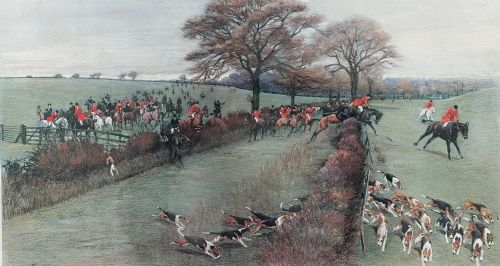
When you search for hound print art, you encounter a specialised selection of wall art, art prints, and framed artwork spanning several centuries. These pieces record canine subjects, sporting scenes, and equestrian pursuits through various historical lenses.
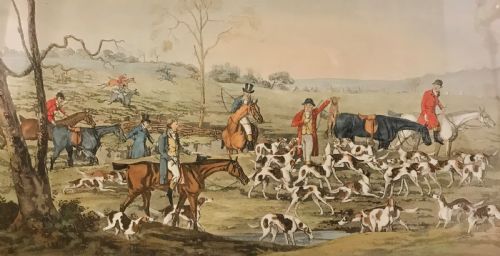
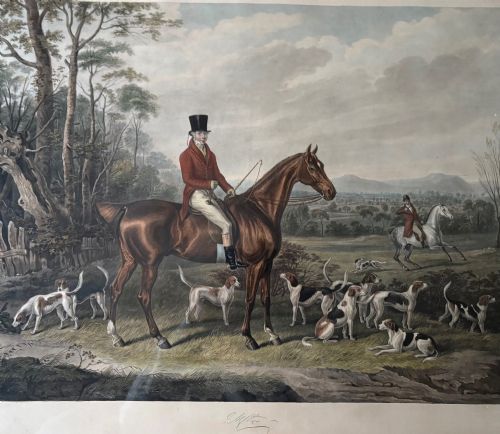
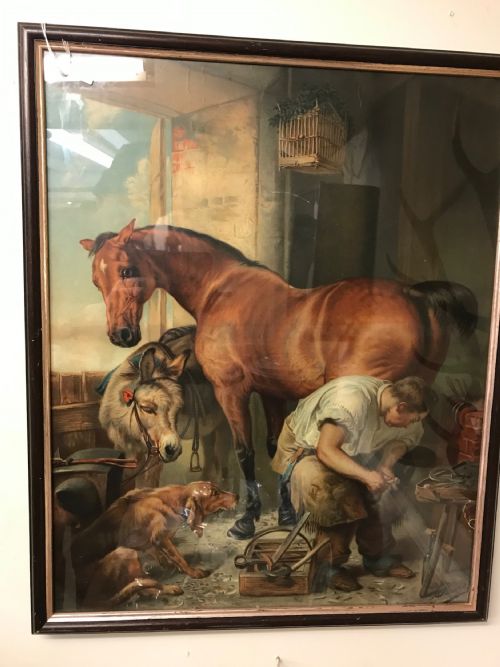
The most common forms on this page include hand-coloured engravings, lithographs, and framed dog engraving pictures produced during the Victorian and Edwardian periods. Works such as hunting lithographs after Aiken and hand-coloured engravings like 'The Young English Fox Hunter' typify this category.
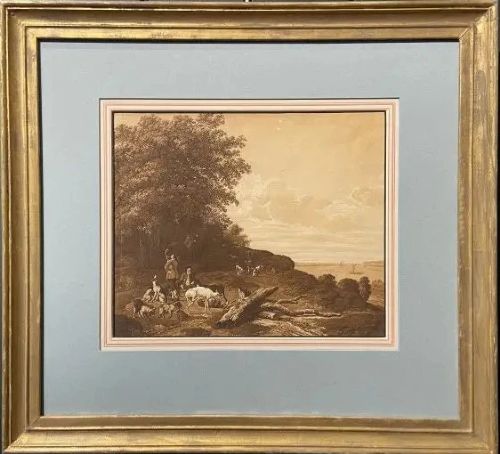
Beyond standard prints, the selection extends to fine art watercolours, etchings, and oil paintings depicting animals and huntsmen. Pieces by named artists like Cecil Charles Windsor Aldin and Herbert Dicksee sit alongside anonymous nineteenth-century works and photographs.
Materials and methods
The physical objects rely on traditional paper, ink, and watercolour substrates housed within wood and gilt wood frames. Printmakers utilised techniques such as lithography and aquatint, often applying hand-colouring to etchings and engravings after the initial impression.
Original works on canvas and paper incorporate oil paint and watercolour pigments, sometimes complemented by gold leaf detailing. Framing materials from the nineteenth and twentieth centuries frequently employ glass protection and wooden mouldings.
Hound Print Art Retail Price Guide 2026
Typical asking prices for hound print art among the pieces listed under this phrase on Sellingantiques today, from the lower quarter to the upper quarter. They describe what is for sale here now, not the wider market.
One book and aquatint set relates directly to the colourful escapades of John 'Mad Jack' Mytton.
Assessing quality
Quality in these works rests upon the clarity of the printed line, the preservation of hand-applied colour, and the integrity of the original paper or canvas. Finer impressions maintain crisp detail in the subject matter without fading or heavy foxing.
The sophistication of the secondary mounting, including period framing with gilt wood and glass, distinguishes finer examples. Works by documented artists and established publishers carry greater authority than anonymous reproductive prints.
Cecil Charles Windsor Aldin·Johannes Lingelbach·Edwin Henry Landseer·Tom Carr·Herbert Dicksee
The Hound Print Art Glossary
- Aquatint
- An intaglio printmaking technique that produces tonal areas resembling watercolour washes. It achieves subtle gradations of light and shade on paper.
- Lithograph
- A planographic printing process based on the antipathy of oil and water. Artists draw directly onto a limestone slab or metal plate to create the image.
- Etching
- A method where lines are bitten into a metal plate with acid before being inked and pressed onto paper. This technique allows for fine, expressive detail in graphic works.
- Gilt wood
- Wood that has been treated with a thin layer of gold leaf or metallic powder. It frequently adorns traditional picture frames from the nineteenth century.
Hound Print Art: Frequently Asked Questions
What periods do these pieces span?
The inventory covers items ranging from the seventeenth-century Dutch Golden Age through the Georgian, Regency, Victorian, and Edwardian eras up to the mid-twentieth century.
This broad chronological scope captures shifting artistic approaches to sporting subjects across different centuries of printmaking and painting.
How were these artworks displayed historically?
Historically, hound print art and sporting engravings decorated the walls of country houses, libraries, and sporting lodges. They served as expressions of rural pursuits and canine appreciation.
Framed artwork and watercolours were typically arranged in galleries or studies alongside related equestrian and hunting memorabilia.
Are these works original or reproductions?
The selection includes a mixture of original fine art watercolours and oil paintings alongside period prints, lithographs, and engravings. Many nineteenth-century items are period impressions published after original works by notable artists.
Each listing specifies the medium, allowing collectors to distinguish between unique hand-painted pieces and historic printed editions.
How do I care for antique paper art?
Antique paper, watercolours, and prints require protection from direct sunlight to prevent fading of the inks and watercolours. Maintaining stable indoor humidity prevents foxing and paper degradation.
Keeping the original glass and frames intact helps shield the delicate surfaces from environmental dust and handling.