


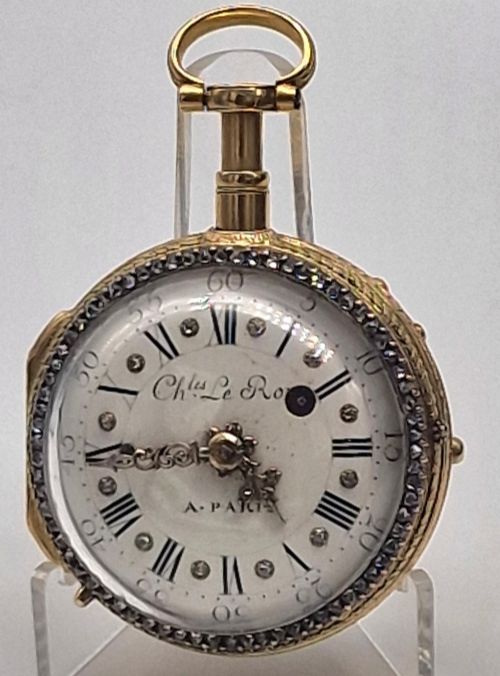

Horology Gold Timepiece
A horology gold timepiece brings precision engineering into domestic life, offering intricate mechanisms housed in precious metal.
Horology Gold Timepiece
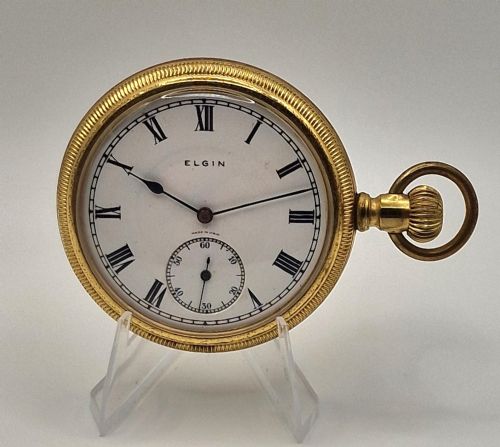
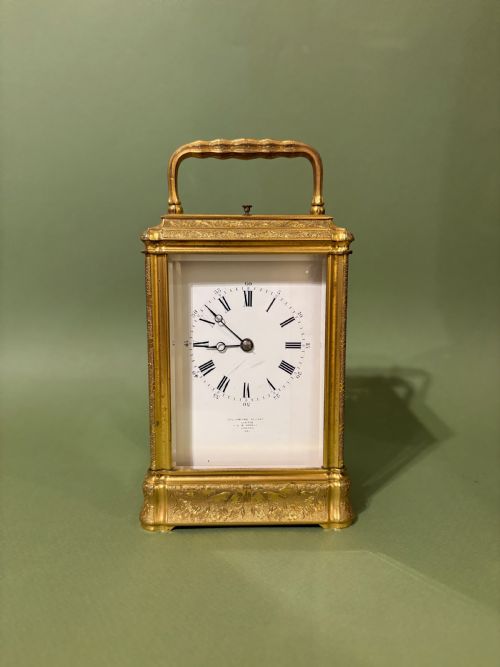
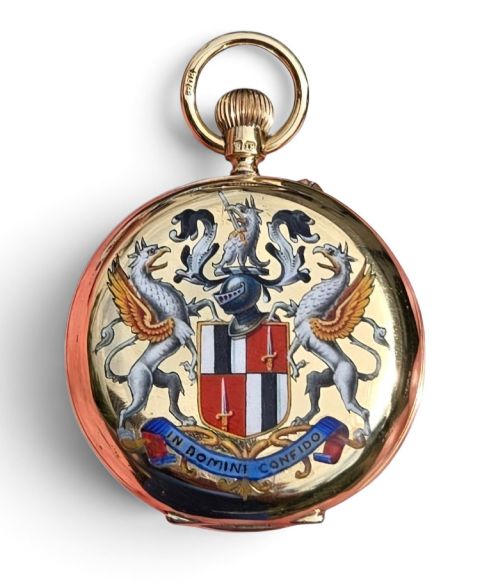
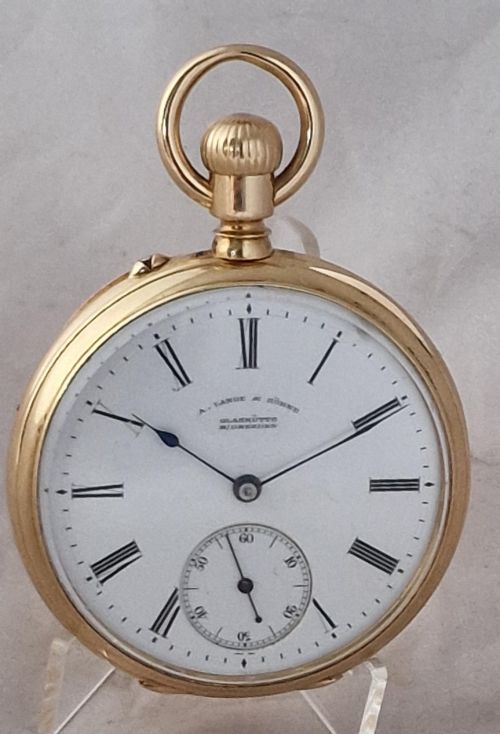
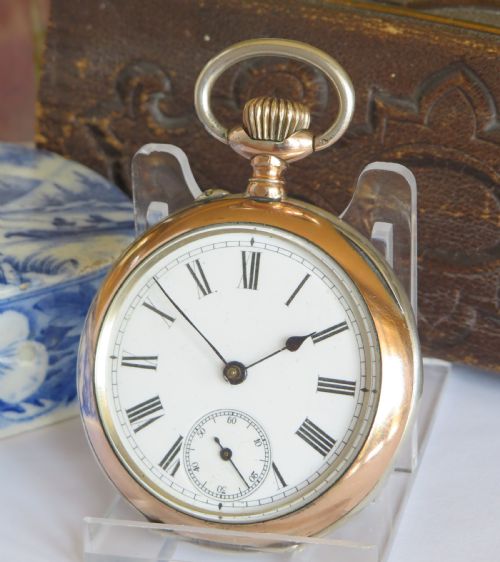
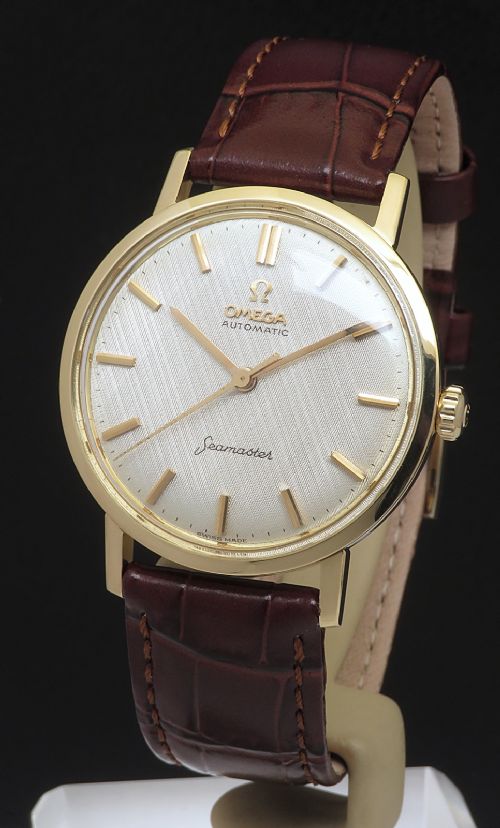
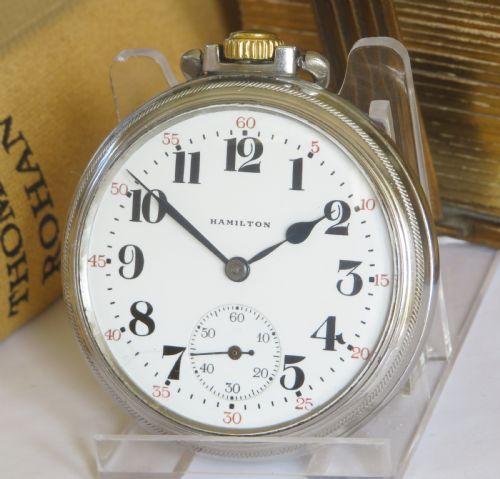
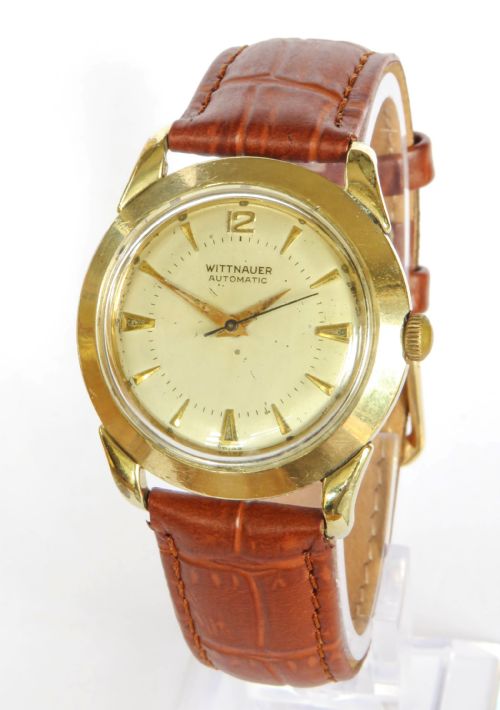
A horology gold timepiece on this page typically spans pocket watches, carriage clocks, and wristwatches dating from the eighteenth century to the mid-twentieth century. Buyers encounter pocket watches in solid gold or gold plate alongside decorative mantel clocks and heavy brass or gilt carriage clocks. French and British workshops dominate the selection, bringing varied periods from the Georgian era through to mid-century modern design.
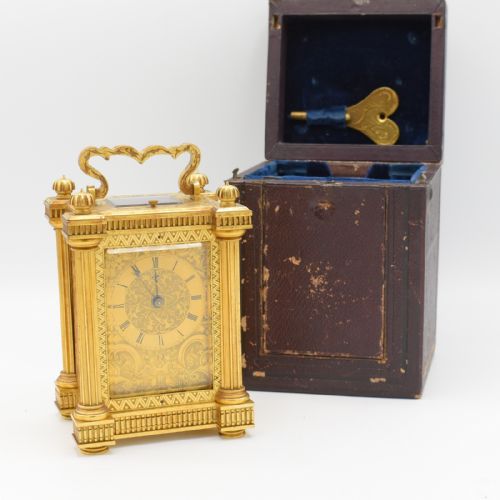
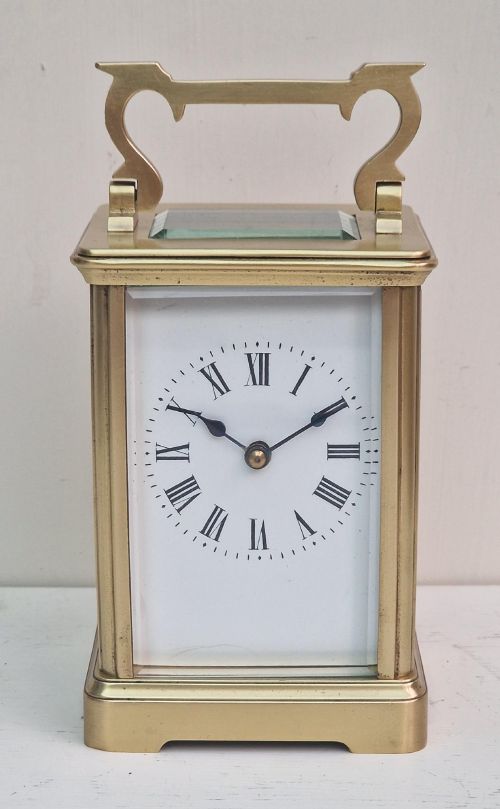
Carriage clocks and pocket watches form the majority of the available objects, often featuring enamel dials, glass panels, and detailed metalwork. The items range from simple daily winders to complex repeaters and timepieces with alarms. Each piece records a distinct shift in mechanical capability and decorative style across successive decades.
Materials and Construction
Horology gold timepiece construction relies on precious metals, brass, steel, and glass combined with hand-finished mechanical movements. Makers utilised gold, gilt brass, and ormolu for exterior cases, protecting delicate gear trains and escapements behind bevelled glass windows or hinged metal covers. Dials frequently incorporate white enamel with painted numerals, while internal components employ hardened steel and brass.
Watchmakers and clockmakers assembled gear wheels, springs, and escapements by hand, often incorporating fusee chains or repeating mechanisms into pocket watches and carriage clocks. Cases were cast, hammered, or turned on lathes before receiving engraved decoration or polished finishes. Leather cases often accompanied portable timepieces to protect the exterior during travel.
Materials recorded across the available pieces include solid gold, gold plate, gilt brass, enamel, steel, and glass.
Quality and Craftsmanship
Quality in a horology gold timepiece rests on the precision of the movement, the integrity of the metal case, and the clarity of the dial. Finer examples display signed movements by respected makers, hand-engraved backplates, and complications such as quarter-repeating chimes or alarms. Lesser pieces feature standard mass-produced movements with plain cases and minimal finishing.
The weight of the gold or gilt brass case and the crispness of the casting work distinguish superior items from basic production. Original components, including matching cases, dials, and numbered movements, elevate a piece above examples with replaced or mismatched parts.
HENRI JACOT·R. Stewart, Glasgow·Lange & Sohne·Howell & James London·Charles Le Roy, Paris·Drocourt Paris·T. Martin & Co·C. Detouche Paris·Antoine Redier of Paris·Omega·Hamilton·Wittnauer·Waltham·Record·Langendorf·Lanco
The Horology Gold Timepiece Glossary
- Fusee
- A conical pulley used in older clocks and watches to equalize the torque of the mainspring as it unwinds. This mechanism ensures consistent power delivery to the escapement for greater accuracy.
- Repeater
- A complication in a clock or watch that chimes the hours and quarters on demand when a lever or pendant is activated. These mechanisms require intricate gear trains to calculate and sound the correct time.
- Carriage Clock
- A small, portable spring-driven clock designed for travel during the nineteenth century. They typically feature glass sides to display the moving escapement and a folding handle on top.
- Half Hunter
- A pocket watch featuring a case with a glass or open-centre panel in the front cover. This design allows the wearer to read the time without opening the case.
- Verge Escapement
- An early type of mechanical escapement utilising a crown wheel and a vertical rod with pallets. It represents one of the oldest methods of regulating time in portable clocks and watches.
Horology Gold Timepiece: Frequently Asked Questions
How do I wind a mechanical pocket watch?
Wind the crown gently between your thumb and forefinger until you feel resistance, taking care not to over-wind the mainspring.
Stop immediately when resistance increases to prevent damage to the internal gear train.
What is a carriage clock used for?
Carriage clocks were originally built as portable timepieces for travellers during the nineteenth century, allowing people to carry accurate time across long journeys.
Today, they function primarily as desk or mantel clocks, prized for their visible mechanical movements through glass panels.
How do I identify the period of a timepiece?
Examine the style of the case, the typography on the enamel dial, and any maker signatures engraved on the backplate or movement.
Design motifs such as Victorian ornamentation, Edwardian restraint, or Art Deco geometry provide clear clues to the manufacturing decade.
Can I wear an antique wristwatch daily?
Many vintage wristwatches from the mid-twentieth century function reliably for regular wear if serviced properly by a qualified horologist.
Keep older mechanical movements away from moisture and strong magnetic fields to maintain their accuracy and longevity.