





Hongmu Tea Tables
Hongmu tea tables are heavy, dense hardwood pieces that anchor a room with rich grain and dark tone.
Hongmu Tea Tables
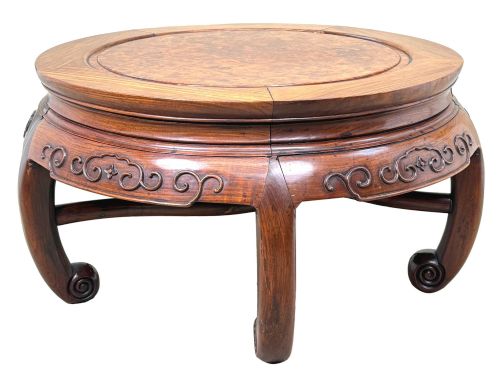
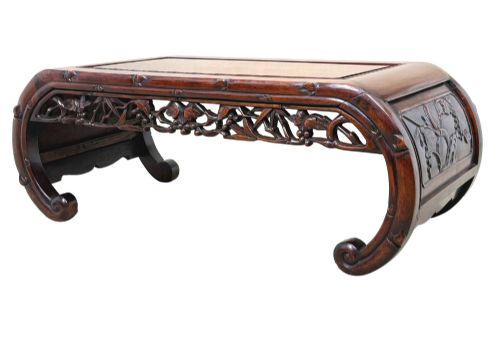
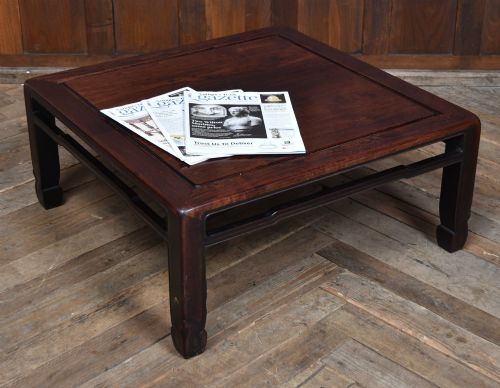
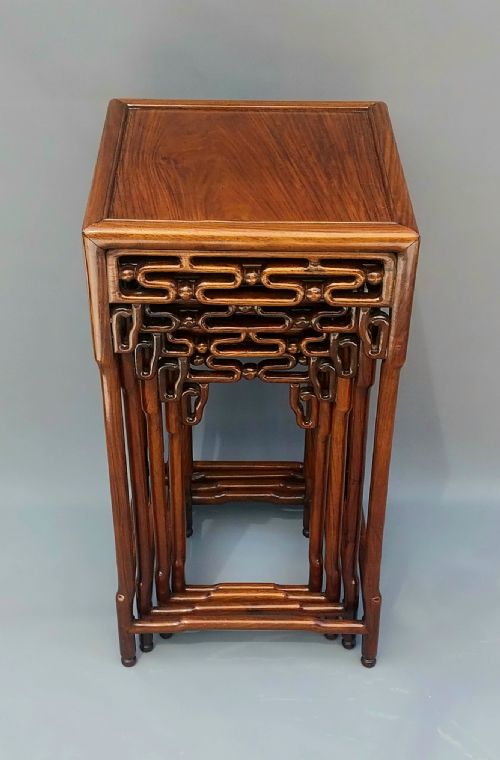
When you search for hongmu tea tables, you encounter low coffee tables, square low tables, opium tables, and nested sets spanning the nineteenth century and the early twentieth century. These low-slung surfaces originate from Chinese workshops and Chinese export production, incorporating Qing dynasty aesthetics and Victorian-era trading forms. You meet side tables, nesting tables, and folding tray tables across these listings, alongside hall furniture sets that pair chairs with a companion table.
The nineteenth century yields the highest concentration of examples, particularly pieces dated around nineteen hundred or late in the Qing dynasty. Hardwoods like rosewood, padouk, and hongmu dominate the forms, frequently inset with marble or burr wood panels. Lower kang and opium tables emerge regularly alongside nesting sets of three or four tables that slide neatly together when not in use.
How They Were Made
Maker workshops built hongmu tea tables from dense, heavy tropical hardwoods, specifically selecting rosewood, padouk, and generic hongmu for their structural strength and deep colour. Artisans frequently integrated contrasting materials into the framework, setting marble slabs or burr wood into the top surfaces to provide a cool, smooth centrepiece for serving tea. Mother of pearl and bone inlay also appear, worked directly into the timber to create detailed decorative motifs.
Joinery relied on precise traditional woodworking techniques that avoided metal fixings, allowing the dense timbers to expand and contract with environmental changes. Carving was executed directly into the hardwood frame, ranging from subtle moulded edges to deep relief work associated with Qing dynasty styles. Folding mechanisms on specialised tray tables utilised clever wooden hinges and pivots built directly into the hardwood structure.
Hongmu Tea Tables Retail Price Guide 2026
Typical asking prices for hongmu tea tables among the pieces listed under this phrase on Sellingantiques today, from the lower quarter to the upper quarter. They describe what is for sale here now, not the wider market.
Available forms range from single side tables and opium coffee tables to matching hall furniture sets and sets of four nesting tables.
What Varies in Quality
The grade of the timber dictates the baseline quality of hongmu tea tables, with heavier, more evenly grained rosewood and hongmu sitting above softer secondary woods. The crispness of the carved detail reveals the carver's skill, where sharp, deep relief work distinguishes superior examples from shallow, hurried incisions. Panel fit matters significantly, especially where marble or burr wood inserts meet the surrounding hardwood frame.
Proportion and structural integrity separate everyday pieces from exceptional ones, particularly in nesting sets where all components must align precisely. The retention of original patination on the hardwood surface, rather than an over-polished modern finish, preserves the character developed over decades. Inlaid elements such as mother of pearl or bone remain secure within the wood channels on finer examples rather than showing gaps or replacements.
The Hongmu Tea Tables Glossary
- Hongmu
- A generic trade term applied to dense, fragrant tropical hardwoods in Chinese furniture-making, translating literally as red wood. It includes several species of dense rosewood.
- Kang table
- A low platform table traditionally used on a heated brick bed in northern China for dining, writing, or serving tea. These low forms translate directly into modern coffee table use.
- Nest of tables
- A graduated set of three or four tables designed to fit one beneath another to save floor space. They became popular in export markets during the late nineteenth century.
- Padouk
- A heavy, durable tropical hardwood with a distinct reddish tint that darkens to a deep brown over time. It provides a stable surface for carved coffee tables.
- Burr wood
- Wood grain featuring knotted, swirling patterns formed where a tree has undergone some form of growth stress. It provides striking decorative panels inset into table tops.
Hongmu Tea Tables: Frequently Asked Questions
How do I use a low table?
Low tables function well as central coffee tables in living spaces, positioned in front of sofas or low seating arrangements. Their reduced height allows them to anchor a room without blocking sightlines across the space.
They also serve as display surfaces for ceramics, books, or lamps, where the dark hardwood grain contrasts with lighter surroundings. Nesting variants can be separated around a room when extra surface space is needed.
What periods are these tables from?
The listings on this page span the nineteenth century and the early twentieth century, capturing the late Qing dynasty and the Victorian trading period. Dates range from mid nineteenth-century examples to pieces made around nineteen hundred and the nineteen-twenties.
Export production for Western markets flourished during these decades, combining traditional Chinese joinery forms with sizes suited to European and American homes. Stylistic markers often bridge late imperial Chinese design and Victorian interior tastes.
How do I care for rosewood furniture?
Care for dense tropical hardwoods by placing them away from direct heat sources and sudden temperature fluctuations that can cause timber to split. Dust regularly with a dry cloth and avoid silicone-based polishes that build up on the wood surface.
Treat inset marble panels with care, wiping spills immediately to prevent staining on unsealed stone. Maintaining stable room humidity preserves the traditional joinery and natural patination of the wood.