






Honey Pine Seat
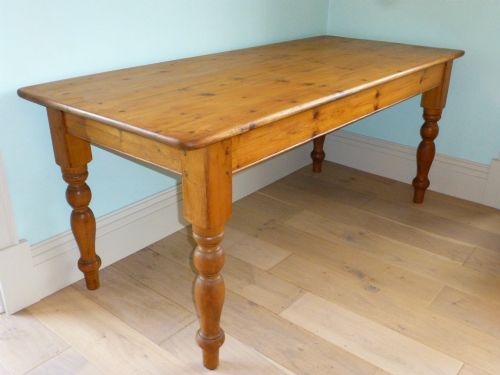
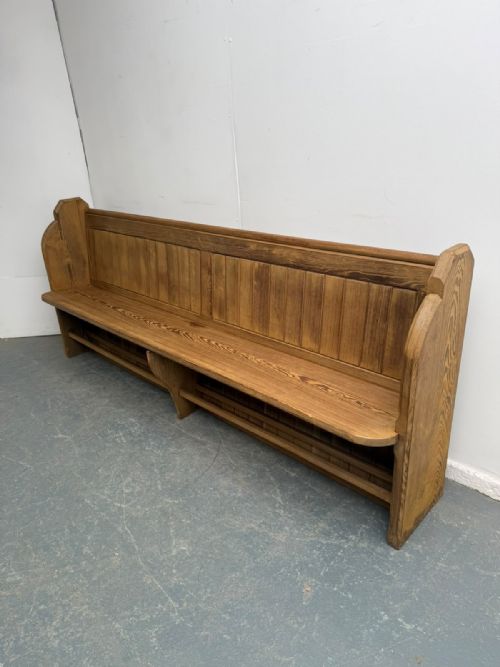
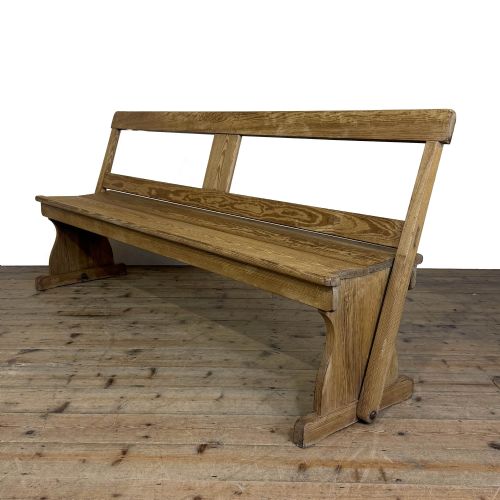
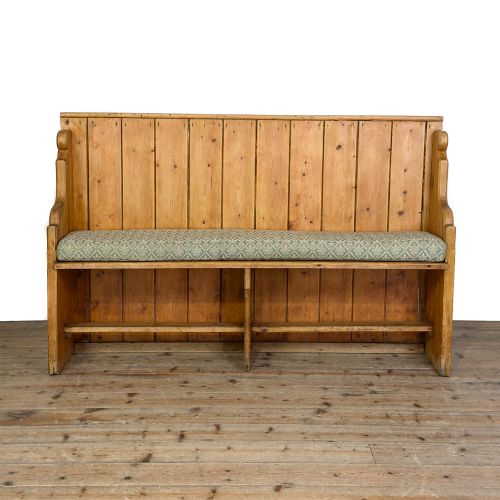
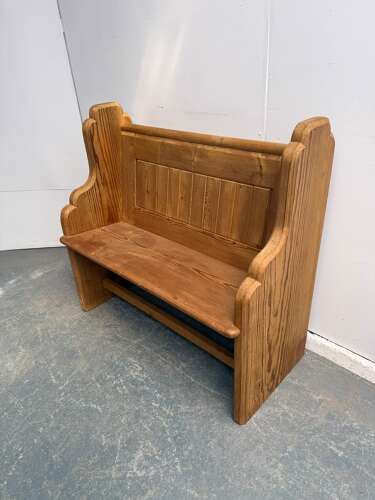
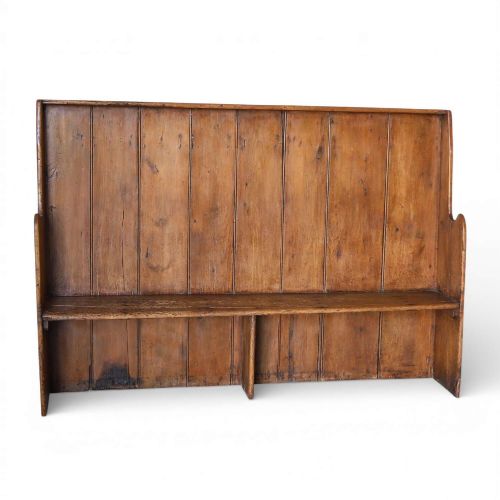
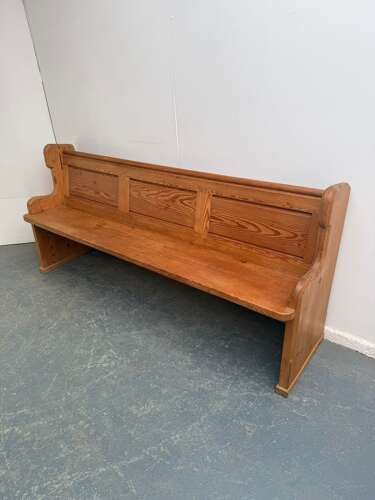
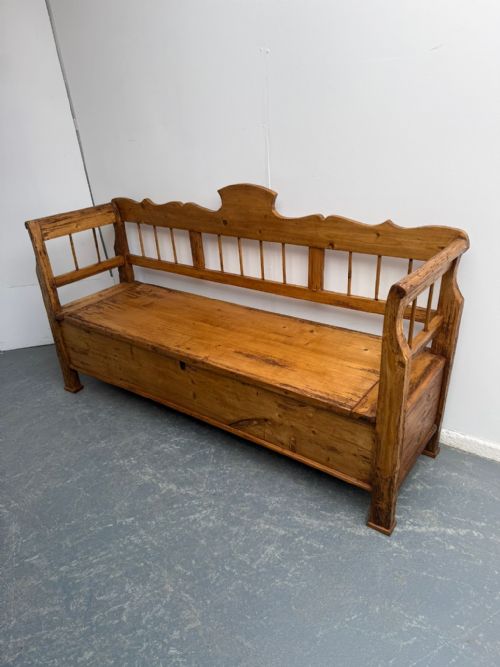
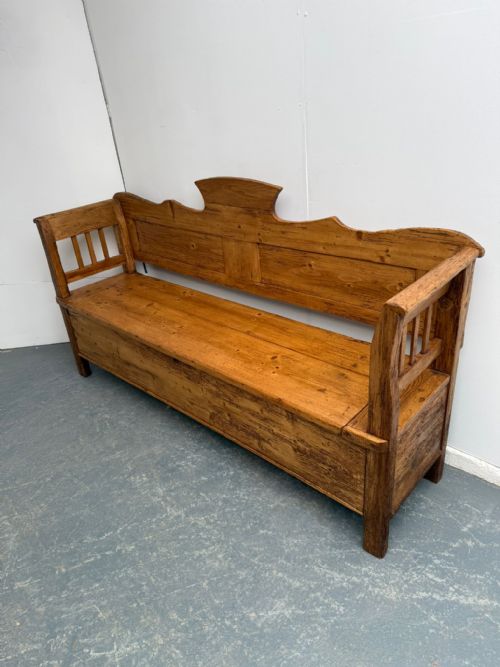
Honey pine seat designs span practical church pews, high-back settles, and rustic country benches shaped from solid pine.
Honey Pine Seat
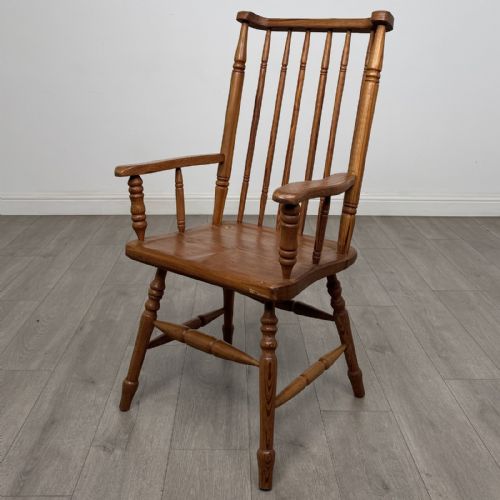
When you search for a honey pine seat, you encounter robust wooden furniture originating from various periods including Georgian, Victorian, and nineteenth century workshop traditions. These items serve functional roles within domestic and ecclesiastical settings, taking the form of settles, pews, benches, and dining chairs.
The most common examples on this page are nineteenth century church pews, Victorian settles, and farmhouse benches finished with warm wax treatments. Buyers select these items for their practical seating capacity and enduring rustic character.
Examples range from compact single seater church pews and tall bar stools to large three seater box settles and long school benches. Each piece reflects traditional country primitive and rustic farmhouse aesthetics suited to everyday use.
How they were made
Construction relies heavily on solid pine, pitch pine, elm, and ash, often shaped into sturdy frames for pews, settles, and benches. Joinery methods prioritise durability, utilising robust wooden boards and traditional framing to withstand heavy daily use.
Surfaces frequently receive wax finishes to protect the wood while enhancing the natural grain and honey brown patina. Some examples incorporate scumbled paint treatments or fabric components to complete the surface decoration.
Honey Pine Seat Retail Price Guide 2026
Typical asking prices for honey pine seat among the pieces listed under this phrase on Sellingantiques today, from the lower quarter to the upper quarter. They describe what is for sale here now, not the wider market.
Object types include settles, church pews, school benches, dining chairs, bar stools, and tavern benches.
What varies in quality
The distinction between tiers of quality rests upon the integrity of the original timber and the depth of the established patina. Pieces retaining their early wax finishes and solid structural proportions demonstrate superior historical character.
Unusual forms, such as neat box settles or high-back designs with well-preserved joinery, command greater interest than standard utilitarian variants. The subtlety of the honey brown tone and the honesty of the wood grain determine visual appeal.
The Honey Pine Seat Glossary
- Settle
- A wooden bench with a high back, solid arms, and often a closed base or box compartment underneath. This form provided protection from drafts in older domestic interiors.
- Pew
- A long bench traditionally found in churches and chapels, constructed with panelled backs and sturdy seats. These items are frequently adapted for domestic hallway or dining use.
- Box settle
- A specific settle variant featuring a hinged seat that lifts to reveal storage space within the base. It combines seating with practical household storage.
- Comb back
- A Windsor chair variation where the vertical spindles of the back extend upward through a horizontal crest rail. This creates a comb-like silhouette.
- Scumble
- A decorative paint technique involving translucent layers applied over a base coat to imitate wood grain or create textured patterns. It appears on certain nineteenth century country pieces.
Honey Pine Seat: Frequently Asked Questions
How do I use a settle in my home?
Settles work well placed against hallway walls or paired with dining tables to provide substantial wooden seating.
Box settles offer the added benefit of concealed storage beneath the hinged seat for everyday household items.
What is the difference between a pew and a settle?
Pews generally feature open or panelled lower structures and were originally designed for communal ecclesiastical spaces.
Settles typically include enclosed bases or box compartments beneath the seat alongside high backs and solid wooden arms.
Are these seats made from solid wood?
The listings consist of solid pine, pitch pine, elm, and ash construction rather than modern veneered boards.
Traditional joinery methods bind the heavy timber components together to ensure long-term structural stability.
How do I care for a waxed pine finish?
Waxed pine surfaces benefit from occasional application of quality furniture wax to maintain the protective layer and deep tone.
Avoid placing these wooden pieces near direct heat sources or excessive moisture to preserve the timber and patina.