


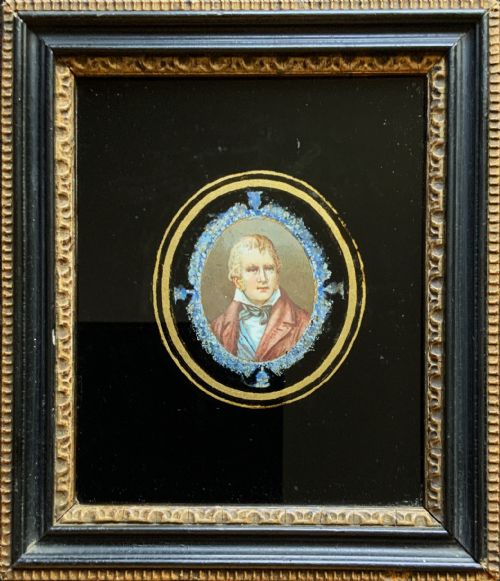


Hogarth Framed Art
Hogarth framed art brings character to a room through dark stepped mouldings and historic engravings.
Hogarth Framed Art
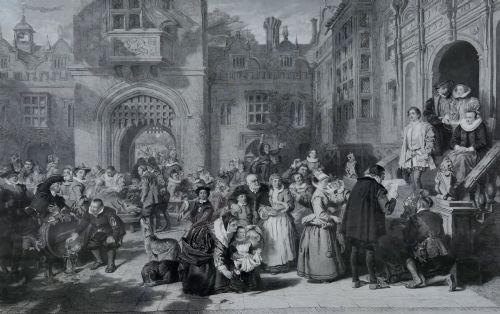
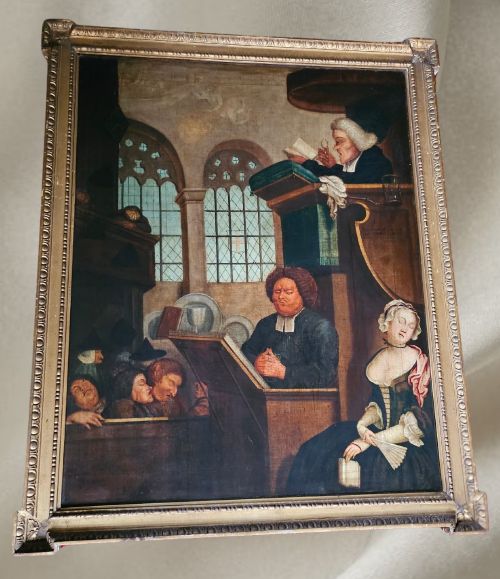
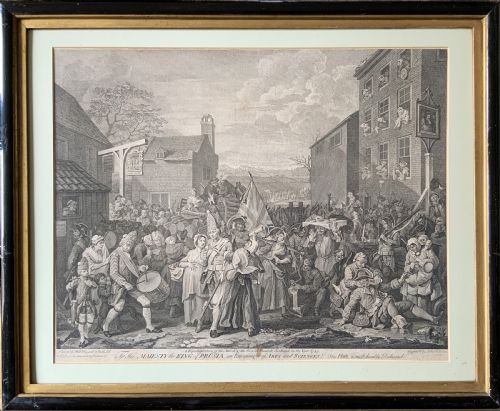
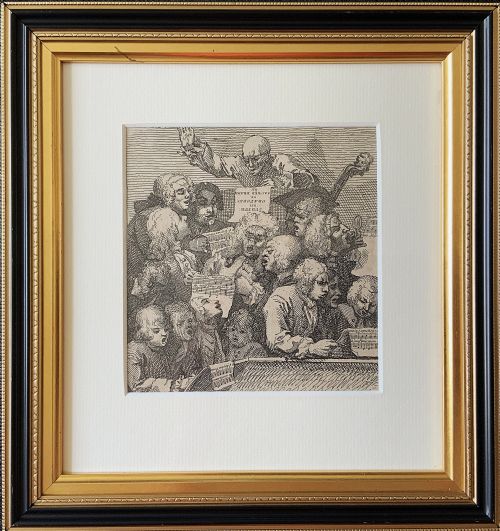
Hogarth framed art spans original and later engravings, etchings, miniature portraits and prints housed in distinct stepped wood frames. Buyers searching for hogarth framed art often encounter eighteenth-century and nineteenth-century works depicting detailed domestic scenes and historic portraits.
How hogarth framed art was made
Makers constructed the characteristic frames from wood, frequently finishing them with dark polish or gold leaf accents. These frames surround works executed on paper, canvas, and parchment using ink, oil, and hand-applied watercolours.
Engravers and etchers worked copper plates to produce fine lines, which printers then transferred to paper sheets. Artisans mounted these prints behind glass within the stepped timber mouldings that define the aesthetic.
Hogarth Framed Art Retail Price Guide 2026
Typical asking prices for hogarth framed art among the pieces listed under this phrase on Sellingantiques today, from the lower quarter to the upper quarter. They describe what is for sale here now, not the wider market.
Listings span five distinct periods from the eighteenth century to nineteen-fifty, utilising paper, canvas, and gilt wood.
What varies in quality
The depth of impression in the engraved lines and the crispness of the paper image determine the visual strength of the artwork. Early pulls from copper plates retain sharper details than later impressions or secondary copies.
Frame construction also dictates overall quality, with solid timber mouldings and original gilding holding more historic integrity than later replacements. The delicacy of hand-colouring on plates adds another layer of distinction between standard prints and finer examples.
William Hogarth·Luke Sullivan·George Romney·Henry William Banbury·E. Jackson Stodart
The Hogarth Framed Art Glossary
- Engraving
- A printmaking technique where an artist cuts lines directly into a metal plate with a sharp tool. The resulting inked grooves transfer fine details onto paper under pressure.
- Etching
- A method where acid bites lines into a metal plate protected by a resistant ground. This process allows for free-flowing lines compared to direct mechanical cutting.
- Stipple engraving
- A technique using dots rather than lines to build up tone and form. Printers often combined this method with hand-colouring for portrait prints.
- Gilt wood
- Wood decorated with a thin layer of gold leaf or gold powder. This finish catches candlelight and natural illumination in traditional interiors.
Hogarth Framed Art: Frequently Asked Questions
What is a Hogarth frame?
A Hogarth frame is a distinct wooden picture frame featuring a stepped or ogee profile that slopes inward toward the artwork. These frames typically have a dark, polished finish that suits historic prints and portraits.
Cabinetmakers and framers adopted this style in the eighteenth century to complement satirical and narrative engravings. The understated moulding draws the eye directly to the paper or canvas within.
Are these prints original?
The inventory includes both period eighteenth-century impressions and later nineteenth-century editions or copies. Catalogues specify whether an engraving dates to the artist's lifetime or represents a subsequent printing.
Examining the paper tone, ink density, and plate marks helps differentiate between primary printing runs and later reproductions. Each listing notes the era of the specific item.
How do I hang these pieces?
These framed works suit traditional study spaces, hallways, and living rooms alongside period furniture. Their dark wood tones anchor well against neutral or richly painted wall colours.
Ensure you use appropriate picture hooks rated for the combined weight of the timber frame and glass. Avoid placing them in direct sunlight to protect the paper and ink from fading.
How do I date the frames?
Framing materials and joinery methods provide clues to the age of the housing. Older frames often feature hand-planed timbers, corner blocks, and early fixings behind the rebate.
Sometimes a frame is a later pairing with an older print, while other pieces retain their original factory or workshop assembly. Checking the backboards and nails helps establish the timeline.