




Historical Watercolour Painting
Historical watercolour painting captures bygone eras through delicate pigments on paper, offering collectors a direct window into past architectural landscapes, military campaigns and intimate portraiture.
Historical Watercolour Painting
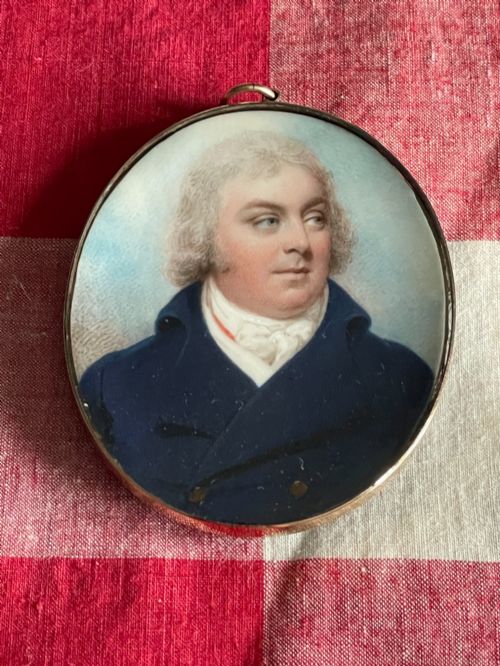
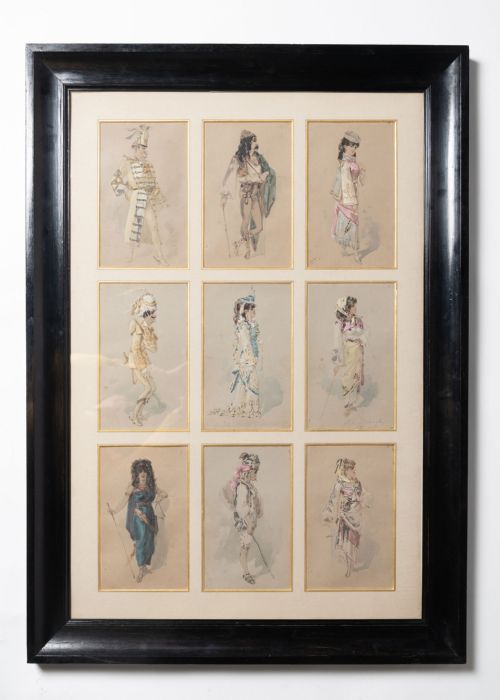
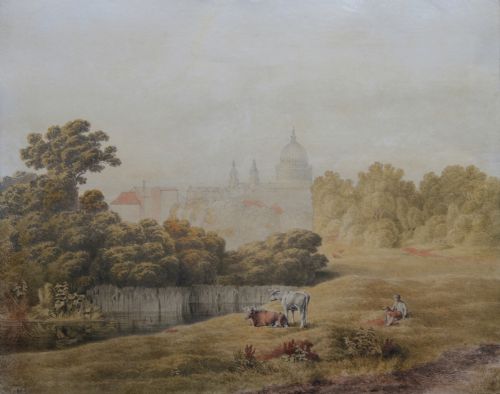
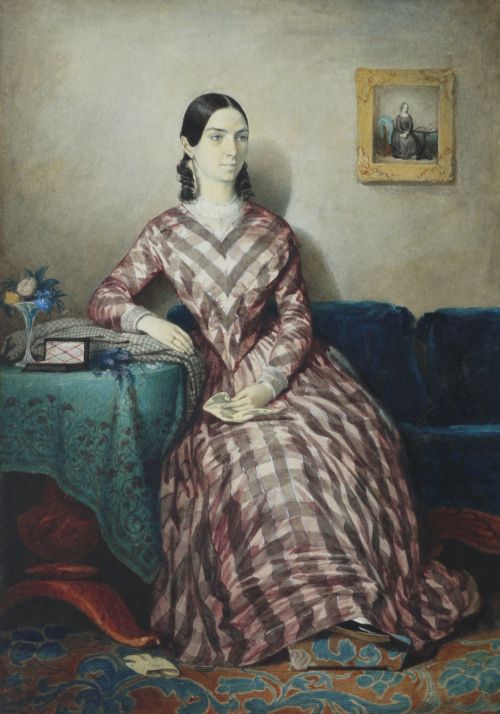
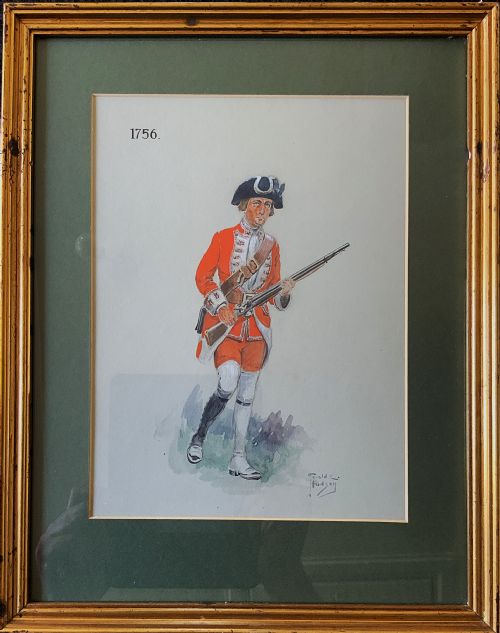
A historical watercolour painting records the visual world of past centuries through pigment suspended in water, applied directly onto paper or card. These works range from intimate portrait miniatures and military studies to sweeping topographical landscapes and townscapes.
The selections span the Georgian and Regency eras, the Victorian period, and into the twentieth century, including British Impressionism and wartime records. Buyers encounter both signed individual sheets by known artists and naive works by anonymous hands documenting daily life or historic events.
How They Were Made
Artists worked primarily with water-soluble pigment on prepared paper, often employing ink and wash for foundational outlines before layering translucent colour washes to build depth and luminosity. Monochromatic grisaille works utilised grey or neutral tones to model form entirely through shade and light.
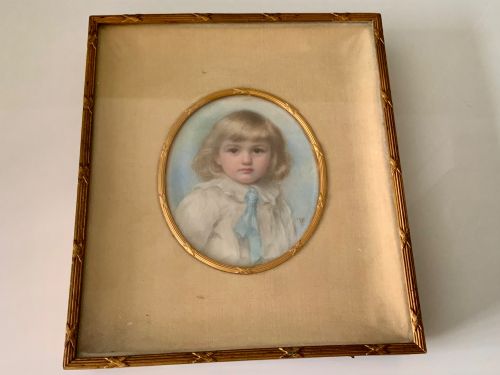
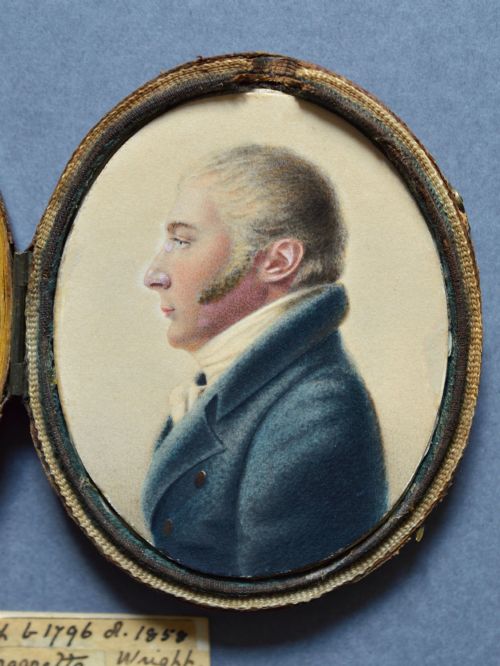
Finished pieces were frequently protected behind glass within wooden frames, ranging from simple ebonised mouldings to ornate gilt wood frames. Portrait miniatures on paper or card were sometimes housed on gilt metal stands or within protective oval settings.
Historical Watercolour Painting Retail Price Guide 2026
Typical asking prices for historical watercolour painting among the pieces listed under this phrase on Sellingantiques today, from the lower quarter to the upper quarter. They describe what is for sale here now, not the wider market.
Listings span the 18th, 19th, and 20th centuries, recording British and European landscapes, military subjects, and portrait miniatures executed in watercolour on paper.
What Varies in Quality
Quality rests upon the sureness of the draftsmanship and the artist's ability to manipulate fluid pigment to capture light, atmosphere, and human expression. Superior works demonstrate confident brushwork and precise topographical or anatomical accuracy, whereas lesser examples display stiffness and static composition.
The preservation of the original pigment vibrancy and the integrity of the paper support also define the tier of the piece. Works retaining their original gilt framing and contemporary documentation command greater attention from serious collectors.
Henri Fradelle·Thomas John Horsley·Alfred George Morgan·Vincenzo D’Esposito·J Bizo·Arthur Hopkins·Florence Hess·Susie Lassam·Samuel Owen·George Hargreaves·William Wyld·Thomas Woolnoth·Henry Barlow Carter·Walter Duncan·Frank Wood·Henry Spernon Tozer·Frank Dadd·Edward Smyth·Mary Eley·Walter Emsley·Frank Wasley·George Cattermole·Fred Lawson·George Goodwin Kilburne·Herbert John Finn
The Historical Watercolour Painting Glossary
- Grisaille
- A painting executed entirely in shades of grey or neutral monochrome, often used as a preliminary study or finished artistic statement. This technique emphasises form and shadow over colour.
- Topographical
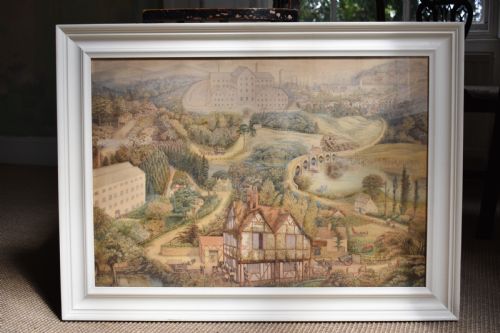
- Artwork depicting specific real-world locations, buildings, or landscapes with accurate geographical detail. These pieces serve as visual records of towns and countryside before modern development.
- Gilt wood
- Wood coated with a thin layer of gold leaf or gilt paint, commonly used for traditional picture frames. It adds a warm, reflective border that complements the paper artwork within.
- Ebonised wood
- Timber treated to resemble heavy, dark ebony wood through staining or finishing processes. It provides a stark, contrasting dark border popular in nineteenth-century framing.
- Portrait miniature
- A small, highly detailed painting capturing an individual likeness, frequently executed on paper, vellum, or ivory. They were often kept as personal mementoes or displayed on stands.
Historical Watercolour Painting: Frequently Asked Questions
How should I display historical watercolours safely?
Keep these works out of direct sunlight to prevent the delicate pigments from fading over time. UV-filtering glass provides essential protection when hanging works on paper in domestic spaces.
Ensure humidity levels in the room remain stable to avoid warping the paper support or encouraging foxing spots. Professional framing with acid-free mounts preserves the long-term health of the painting.
What subjects appear most often in these paintings?
Topographical views of British and European cities, rivers, and coastal harbours dominate the selection. Historical events, military portraits, and intimate depictions of daily life also feature prominently.
Artists frequently recorded specific architectural landmarks, street scenes, and rural landscapes as they appeared during the Georgian, Regency, and Victorian periods. These detailed records offer valuable glimpses into past societies.
How do I identify a Victorian watercolour?
Victorian watercolours often exhibit rich, saturated palettes and meticulous attention to narrative detail or atmospheric landscape effects. Signatures, dates, and contemporary framing styles frequently offer direct clues to the period.
The paper stock and framing materials, such as heavy gilt wood or ebonised surrounds, typically align with nineteenth-century manufacturing techniques. Comparing the stylistic conventions with dated examples helps confirm the era.
Are these paintings original works?
Every piece listed is an original hand-painted artwork created directly by the artist using watercolour pigments on paper or card. These are unique historical items rather than modern reproductions or prints.
Brushstrokes, pencil underdrawings, and the texture of the applied pigment remain visible upon close inspection. Collectors value these individual sheets for their authentic touch and direct link to the past.