




Historical Watercolour Art
Historical watercolour art captures centuries of British and European life through delicate pigments on paper.
Historical Watercolour Art
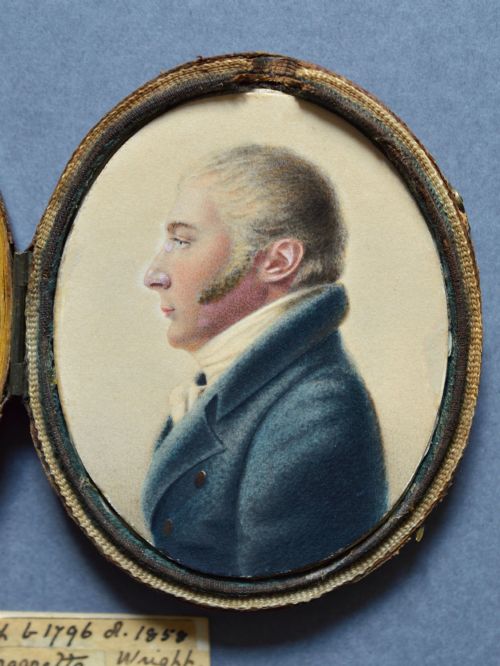
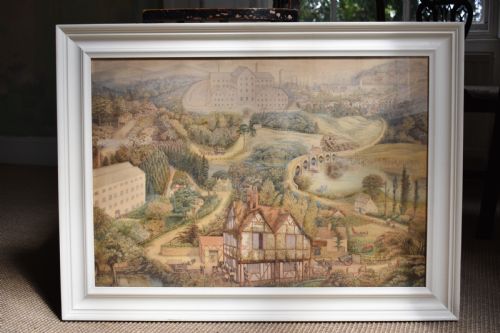
Historical watercolour art spans topographical views, maritime scenes, and intimate portrait miniatures dating from the Georgian and Regency eras through the early twentieth century.
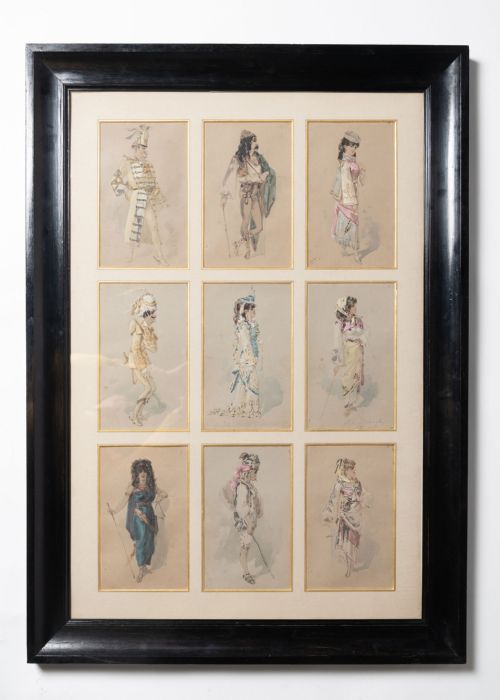
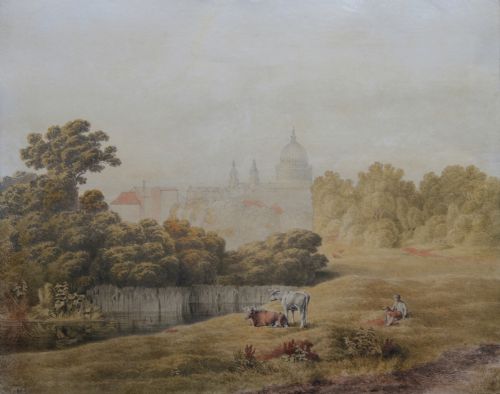
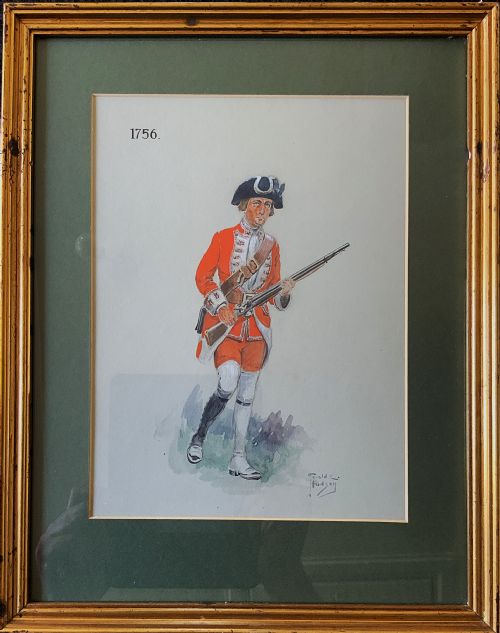
Buyers encounter detailed architectural cityscapes alongside naive folk art portraits, military depictions, and coastal landscapes.
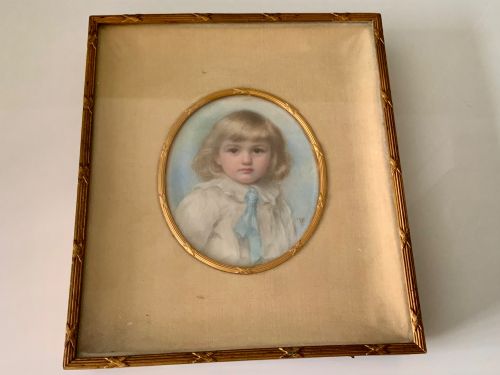
The selection ranges from small portrait miniatures housed on gilt metal stands to larger framed townscapes and river views.
Materials and execution
Artists applied watercolour pigment and ink to paper surfaces, often supplementing compositions with wash techniques to build depth in landscapes and military scenes.
Framed works typically utilise glass for protection alongside wood, gilt wood, or ebonised wood frames that reflect the period of creation.
Historical Watercolour Art Retail Price Guide 2026
Typical asking prices for historical watercolour art among the pieces listed under this phrase on Sellingantiques today, from the lower quarter to the upper quarter. They describe what is for sale here now, not the wider market.
The inventory includes portrait miniatures alongside large landscape views and maritime paintings framed in ebonised and gilt wood.
Distinctions in quality
Quality rests upon the precision of the brushwork, the stability of the paper support, and the clarity with which historical subjects or portraits are rendered.
Works attributed to documented artists or containing detailed provenance regarding military campaigns and specific locations command greater attention from collectors.
Alessandro Cittadini·Henri Fradelle·Thomas John Horsley·Alfred George Morgan·Vincenzo D’Esposito·George Hargreaves·William Wyld·Thomas Woolnoth·Henry Barlow Carter·Walter Duncan·Frank Wood·Henry Spernon Tozer·Hubert Coutts·Frank Dadd·Edward Smyth·Mary Eley·Walter Emsley·Frank Wasley·George Cattermole·Fred Lawson
The Historical Watercolour Art Glossary
- Watercolour
- A painting method in which natural pigments are suspended in a water-based solution and applied to paper. This medium allows for transparent washes and fine linear details.
- Portrait Miniature
- A small, highly detailed painting, frequently executed on paper or vellum and housed in a protective case or frame. These works often depict specific historical individuals or family members.
- Wash
- A thin, semi-transparent layer of diluted watercolour pigment or ink spread across paper. Artists utilise this technique to establish skies, shadows, and atmospheric backgrounds.
- Ebonised Wood
- Timber treated with chemical or physical finishes to imitate expensive ebony wood. This dark framing material frequently appears on nineteenth-century works.
Historical Watercolour Art: Frequently Asked Questions
How should historical watercolours be displayed?
Keep framed pieces away from direct sunlight to prevent the fading of delicate pigments on paper.
Maintain stable indoor humidity levels to protect both the paper support and the antique wooden frames.
What subjects appear in these paintings?
The selections encompass military campaigns, naval vessels, maritime harbours, and detailed townscapes.
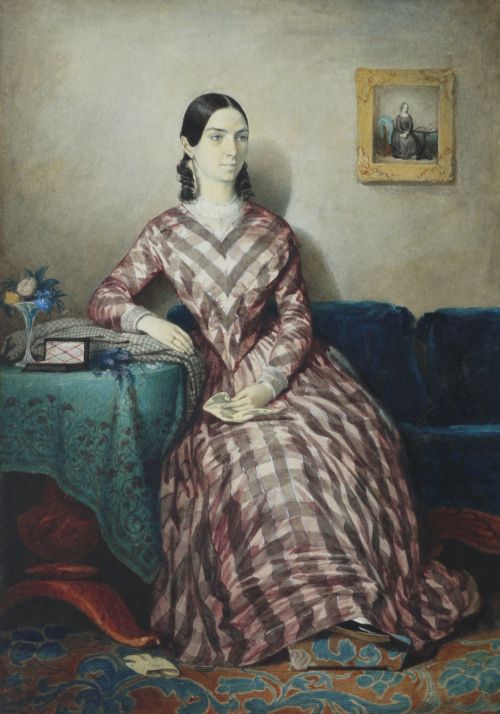
Portrait miniatures and domestic interior scenes also feature prominently across the available periods.
How do I identify the period of a piece?
Examine the framing materials, handwritten inscriptions on the reverse, and the clothing styles depicted in portraits.
Stylistic movements such as Regency, Victorian, and Edwardian provide further chronological markers.
Are these works signed by the artists?
Many pieces carry the signature or initials of the painter within the composition or on the mount.
Attributions are also established through period documentation, historical records, and stylistic analysis.