





Historical Pottery
Historical pottery brings tangible political figures, scenic views and royal portraits directly into your hands through centuries of ceramics.
Historical Pottery
Historical pottery encompasses a rich variety of ceramic forms, from commemorative plates and decorative tiles to character jugs and teapots. When exploring historical pottery, you are most likely to encounter nineteenth-century Staffordshire figures, blue and white transferware plates, and Dutch Delft tiles.
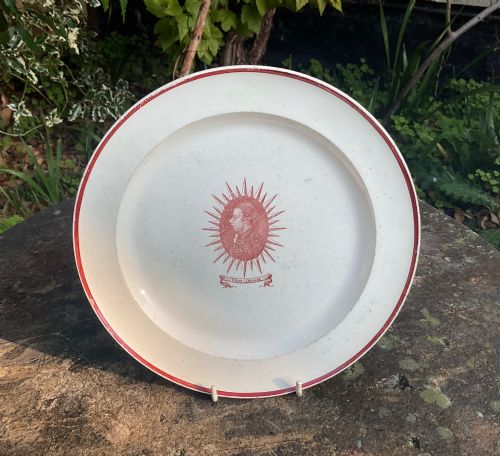
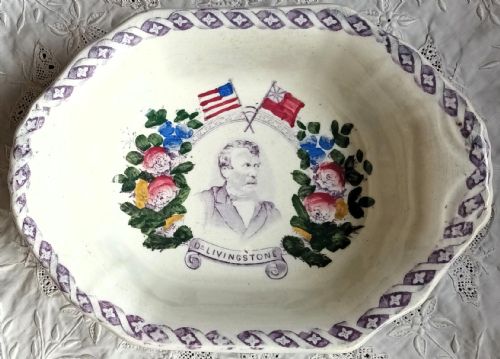
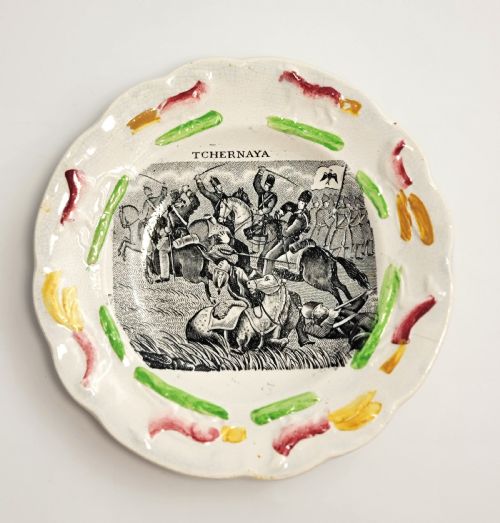
The objects record notable historical events, literary figures and military leaders, including Lord Nelson, Benjamin Franklin and the Crimean War. Scottish commemorative dishes and royal portrait figures reflect the public fascination with contemporary and past heroes.
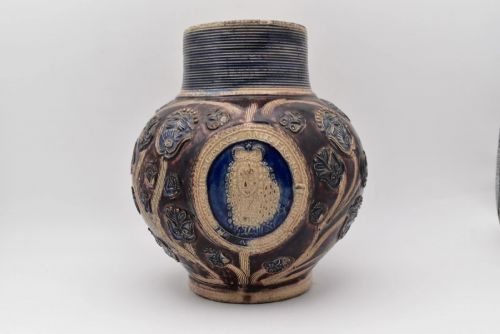
Origins span English, Scottish and Dutch workshops, capturing regional ceramic traditions across the seventeenth, eighteenth and nineteenth centuries. These pieces function simultaneously as decorative arts and permanent records of political and social history.
Materials and techniques
Potters relied primarily on earthenware and ceramic bodies, shaped into plates, jugs, teapots and figurines. These substrate materials provided a stable base for detailed surface decoration.
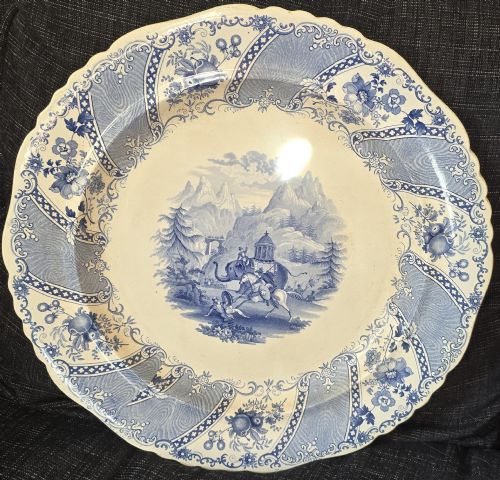
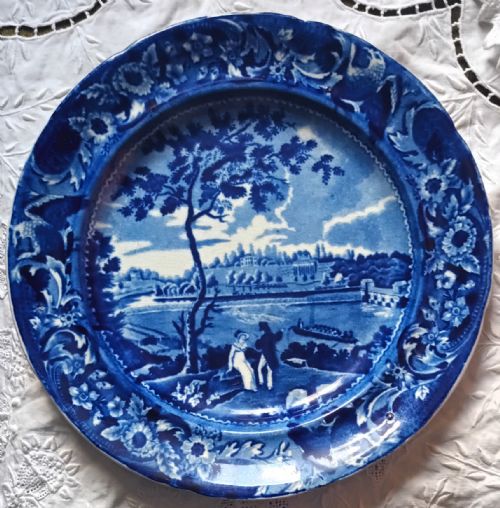
Makers applied lead glaze, tin glaze and enamel paints to seal the ceramic and introduce colour. Transfer printing enabled crisp blue and white landscape scenes, while hand painting brought individual character to portrait figures and Delft tiles.
Historical Pottery Retail Price Guide 2026
Typical asking prices for historical pottery among the pieces listed under this phrase on Sellingantiques today, from the lower quarter to the upper quarter. They describe what is for sale here now, not the wider market.
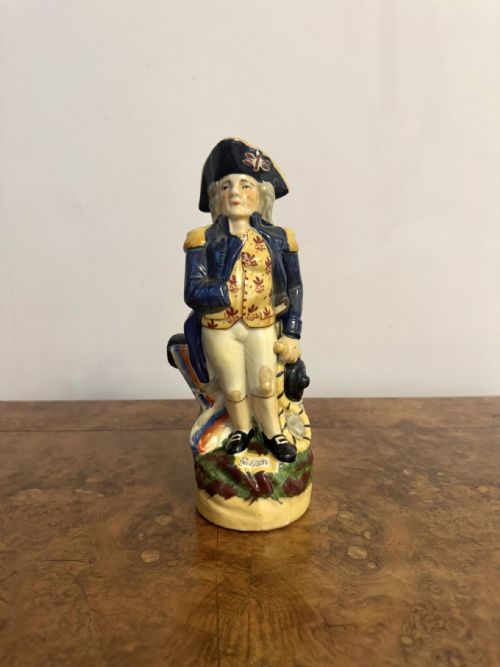
Benjamin Franklin unexpectedly appears disguised under the name Washington on at least one nineteenth-century Staffordshire figure.
Evaluating quality and execution
Quality separates through the clarity of transfer-printed details, the precision of hand-painted brushwork on Delft tiles, and the modelling depth of Staffordshire figures. Superior examples maintain crisp facial expressions and legible subject naming.
The application and consistency of the glaze also distinguish finer pieces, avoiding pooling or excessive crazing that obscures the underlying ceramic body or transferred design.
William Smith and Co·Stubbs·Copeland Spode
The Historical Pottery Glossary
- Transferware
- Ceramic pottery decorated by transferring a printed design from a copper plate onto the clay body using paper. This technique allowed intricate blue and white landscapes to be reproduced consistently.
- Tin glaze
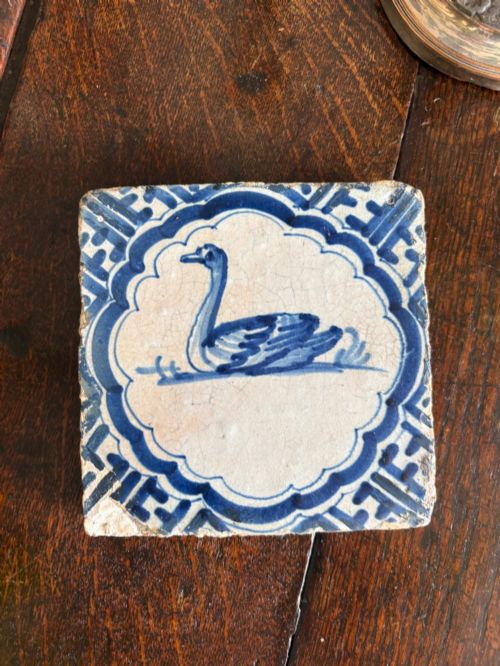
- An opaque white glaze containing tin oxide, used extensively on Dutch Delft tiles. It provided a smooth, pale background suitable for hand-painted motifs.
- Toby jug
- A pottery jug shaped as a seated, full-figured person, typically wearing eighteenth-century attire and holding a mug or beer jug. These vessels often depict historical figures or caricatures.
- Staffordshire figure
- Ceramic portrait figures and groups manufactured in the potteries of Staffordshire, England. They frequently commemorate royalty, military heroes and patriots of the nineteenth century.
Historical Pottery: Frequently Asked Questions
What is historical pottery?
Historical pottery includes ceramic plates, jugs, tiles and figurines that record specific events, places or notable people from past centuries.
These pieces serve as tangible links to historical moments, utilising transfer printing, hand painting and various glaze techniques to convey their subjects.
How were transferware plates made?
Makers engraved copper plates with detailed designs, inked them, and transferred the impression onto paper before pressing it onto the ceramic surface.
This method produced uniform blue and white scenes depicting landscapes, historical buildings and commemorative views.
What do Staffordshire figures depict?
Staffordshire figures predominantly portray military leaders, royalty, political figures and historical personalities from the nineteenth century.
Potters modelled these ceramic pieces to celebrate contemporary public figures, often labelling the bases with the subject's name.
How do I identify Delft tiles?
Dutch Delft tiles are recognised by their tin-glazed white ceramic surfaces decorated with hand-painted motifs in blue or polychrome.
They typically date to the seventeenth century and feature distinct pictorial subjects like animals, landscapes or biblical scenes.