



Historical Portraiture Fine Art
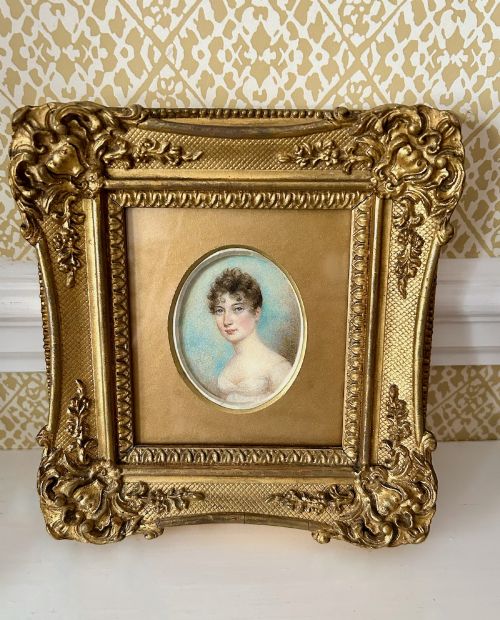
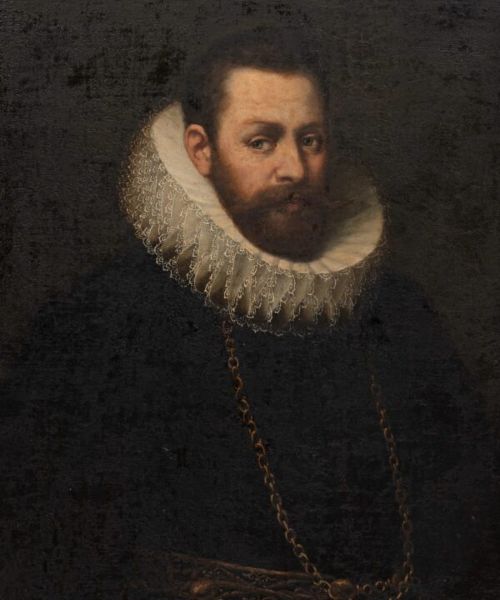
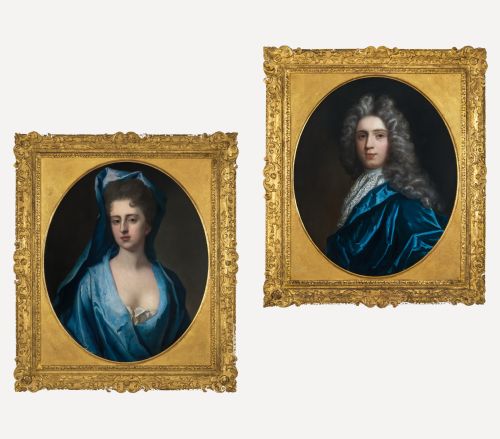
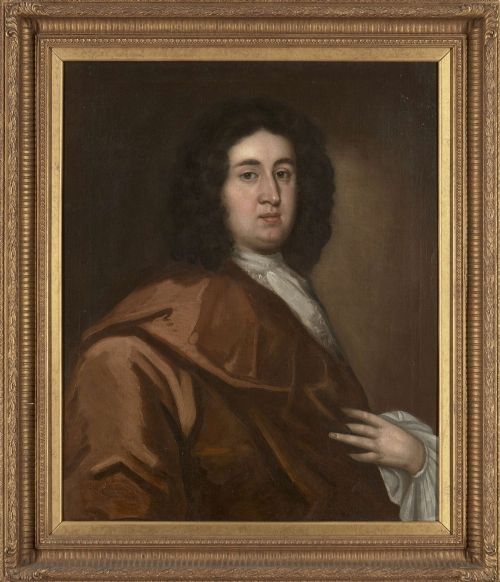
When you search for historical portraiture fine art, you encounter oil paintings on canvas and wood from the seventeenth, eighteenth, and nineteenth centuries that record the likenesses of named individuals.
Historical Portraiture Fine Art
Historical portraiture fine art encompasses painted representations of subjects ranging from seventeenth-century nobility to nineteenth-century political figures and twentieth-century leaders. When exploring this category, you will find oil paintings on canvas and wood panels depicting aristocrats, clergymen, and thinkers executed in styles spanning the Dutch Golden Age, Baroque, Georgian, and Victorian periods.
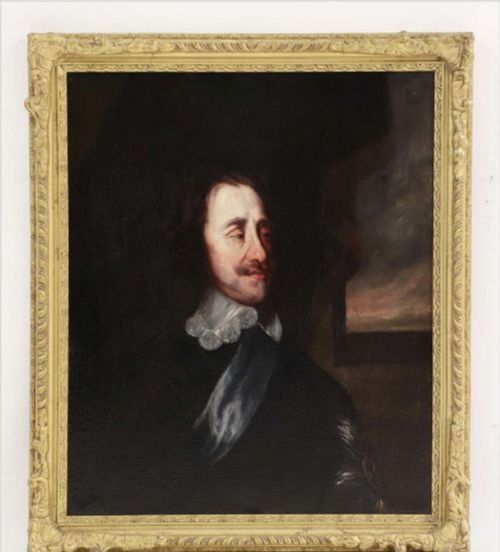
The works reflect the changing social roles of their subjects, showing figures adorned in lace, full suits of armour, academic gowns, or military regalia such as Garter robes. Many pieces document specific lineage and historical moments, capturing individual identity through contemporary dress, insignia, and detailed facial rendering.
Materials and technique
The primary technique relies upon oil paint applied to prepared canvas supports or wood panels, utilising the rich pigment depth typical of studio practices from the seventeenth century onward. Artists layered colours to build skin tones and drapery, capturing intricate textures like lace collars, velvet fabrics, and metallic armour reflections.
Many works retain their original or period-appropriate gilt wood frames, often finished with gold leaf. These frames vary from ornate carved Baroque mouldings to simpler Regency and Victorian profiles, serving to enclose and complement the canvas.
Historical Portraiture Fine Art Retail Price Guide 2026
Typical asking prices for historical portraiture fine art among the pieces listed under this phrase on Sellingantiques today, from the lower quarter to the upper quarter. They describe what is for sale here now, not the wider market.
Several sitters wear full suits of armour indoors, proving that historical security took many forms.
Distinctions in execution
The integrity of the canvas and the preservation of the original paint surface also govern the standing of a piece. Works that retain their untouched pigment layers without extensive later overpainting offer a clearer connection to the artist's original hand.
Sir Peter Lely·Thomas Beach·John Closterman·Sir Allan Ramsay·Cornelius Johnson·John Hamilton Mortimer·David Scougall·Thomas Gainsborough·Valentine Thomas Garland·Sir Godfrey Kneller·John Partridge·Bartholomeus Van Burgindis·Samuel Drummond·Henry Wyatt·Francis Alleyne·George R Havelka·Edward Bainbridge Copnall
The Historical Portraiture Fine Art Glossary
- Oil on canvas
- Pigments suspended in a drying oil medium applied to a stretched fabric support. This combination allowed artists to blend tones smoothly and build rich textures over centuries.
- Gilt wood
- Wood carved and coated with a thin layer of gold leaf or metallic paint. It provides a reflective decorative border designed to frame the painted canvas.
- Studio of
- A term indicating a work produced under the direct supervision of a master artist, often executing compositions conceived in the primary workshop. It reflects the collaborative nature of historical portrait production.
- Baroque
- An artistic style spanning the seventeenth and early eighteenth centuries characterised by dramatic lighting, deep shadows, and dynamic movement. Portraits from this era emphasise rich drapery and grand scale.
Historical Portraiture Fine Art: Frequently Asked Questions
What periods do these portraits cover?
The selection spans from the seventeenth century through the Victorian era and into the mid-twentieth century. You will encounter works originating from the Dutch Golden Age, the Stuart period, and the Georgian epoch.
Later examples extend into nineteenth-century realism and mid-twentieth-century commemorative painting. Each era brings distinct clothing styles, framing techniques, and compositional conventions.
How can I identify the sitter?
Many portraits include contemporary inscriptions on the canvas, stretcher bars, or frame identifying the subject by name and title. Details such as peerage robes, military orders, and specific coats of arms offer further clues to identity.
Biographical dates inscribed alongside the subject often record their age at the time the portrait was painted. Archival records and artist catalogues help link sitters to specific commissions.
How do I care for an oil portrait?
Protect the canvas by hanging the piece away from direct sunlight and maintaining stable indoor humidity levels. Sudden environmental shifts can cause the wood panel or canvas support to warp and the paint layer to crack.
Dust the surface gently with a soft, dry brush without applying liquid cleaners. Consult a professional conservator if the paint layer requires cleaning or structural stabilisation.