

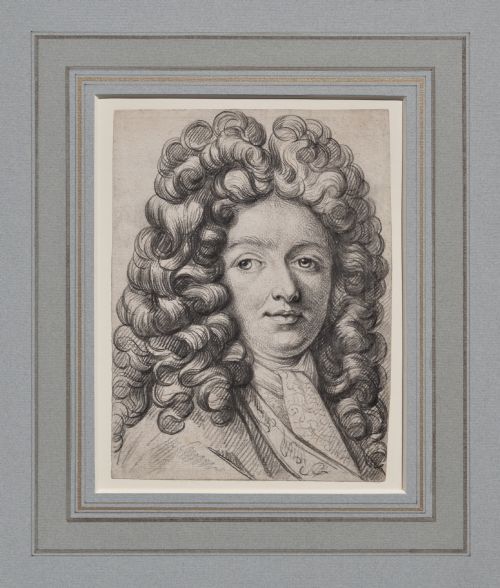
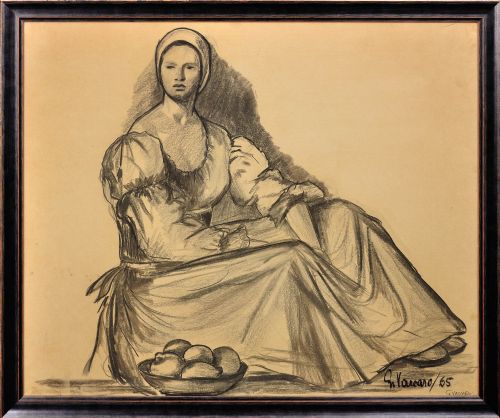
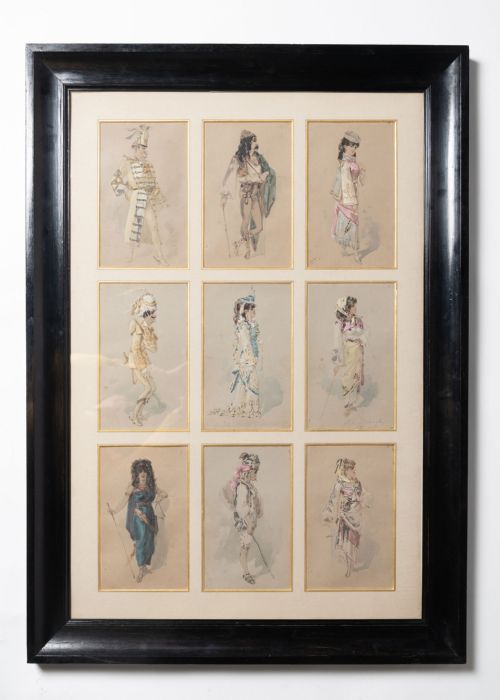
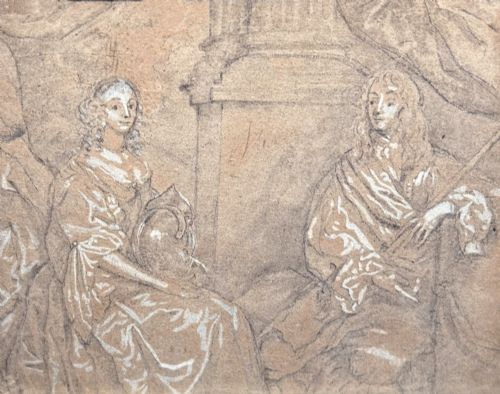


Historical Portrait Sketch Drawing
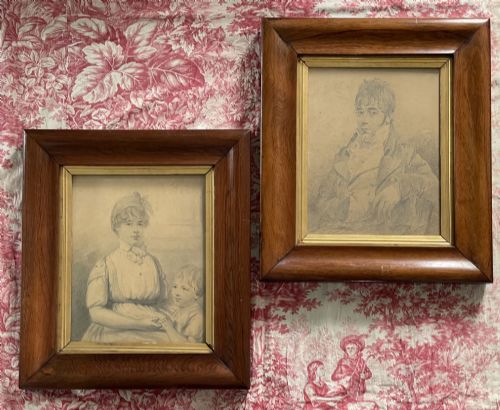
A historical portrait sketch drawing captures a specific sitter in graphite, chalk or watercolour, preserving an immediate likeness across the centuries.
Historical Portrait Sketch Drawing
A historical portrait sketch drawing presents likenesses of sitters ranging from Regency couples and young children to notable figures such as George IV's mistress and historical writers. These works appear on paper, toned paper and framed wall art from the seventeenth century through to the Edwardian period.
The material record includes delicate pencil, graphite and charcoal works alongside watercolours and figure studies executed in Renaissance or Baroque styles. Buyers encounter both intimate domestic portraits and formal studies attributed to recognised artists or created anonymously.
Pieces span multiple eras including the Georgian, Regency, Victorian and seventeenth century, showing how draughtsmanship evolved from early wigged gentlemen to Victorian academic realism.
Materials and technique
Artists utilised graphite, charcoal, chalk and watercolour applied directly to paper and toned paper surfaces to build form and shadow. These monochrome or tinted mediums allowed for rapid execution and subtle tonal gradations during live sittings.
Finished works were typically preserved behind glass within wood framing to protect the fragile paper support from atmospheric moisture and handling.
Historical Portrait Sketch Drawing Retail Price Guide 2026
Typical asking prices for historical portrait sketch drawing among the pieces listed under this phrase on Sellingantiques today, from the lower quarter to the upper quarter. They describe what is for sale here now, not the wider market.
Listings feature works executed in graphite, charcoal, chalk and watercolour on paper and toned paper.
Judging quality in portrait sketches
Quality rests upon the confidence of the line and the artist's ability to capture the psychological depth and exact likeness of the sitter. Skilled draughtsmen convey texture in hair, fabric and expression with minimal strokes.
The preservation of the paper support, the retention of original framing and glass, and clear attribution to a named hand or documented period elevate certain examples above anonymous or heavily degraded items.
G. Vaccaro·Peter Lely·Theobald Chartran·Francis O. A. Haviland·Nathaniel Dance-Holland·George Richmond
The Historical Portrait Sketch Drawing Glossary
- Graphite
- A form of carbon used in pencils that leaves a grey or black metallic mark on paper. It became the primary medium for detailed linear drawing from the sixteenth century onward.
- Toned paper
- Paper manufactured with a light colour or tint rather than plain white, allowing artists to work up highlights in white chalk alongside dark strokes in graphite or charcoal.
- Watercolour
- Pigments ground in a water-soluble binder, applied in transparent washes to paper to add colour and atmosphere to an underlying sketch.
- Figure study
- A drawing made to practice rendering the human form or to prepare for a larger painted composition. These works focus on anatomy, posture and drapery.
- Academic realism
- A style of painting and drawing produced under the influence of European academies of art, emphasising precise anatomical accuracy, careful observation and detailed rendering.
Historical Portrait Sketch Drawing: Frequently Asked Questions
How do I date an antique portrait sketch?
Dating relies upon the costume, hairstyle and wig of the sitter, alongside any signatures, monograms or inscribed dates on the paper. Frame styles and backing materials also offer chronological clues.
Comparison with documented works by the same artist or period helps narrow the decade of execution.
What is the difference between a sketch and a finished portrait?
A sketch prioritizes spontaneous line work, visible hatching and direct observation, often serving as a preliminary study. A finished portrait exhibits more blended tones, complete backgrounds and meticulous detail.
Both forms were collected and framed during the eighteenth and nineteenth centuries.
How should I display sketches on paper?
Sketches require protection from direct sunlight to prevent the fading of graphite, charcoal and watercolour pigments. Acid-free mounting and UV-filtering glass preserve the paper from chemical degradation over time.
Keep them in rooms with stable humidity away from heat sources.
Are most historical sketches signed by the artist?
Many historical portrait drawings remain unsigned because artists created them as preliminary studies or private records. Monograms, faint inscriptions or contemporary gallery labels on the reverse sometimes reveal the creator's identity.
Attributions often depend on stylistic comparisons with known works by specific hands.