

Historical Portrait Fine Art
When you search for historical portrait fine art, you uncover centuries of likenesses captured in oil, pastel, and print.
Historical Portrait Fine Art
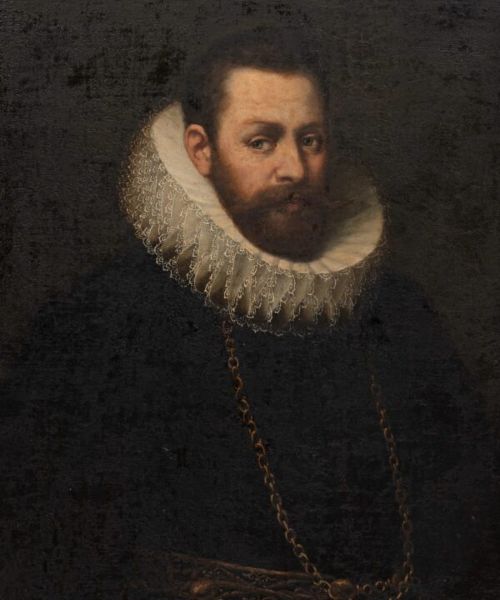
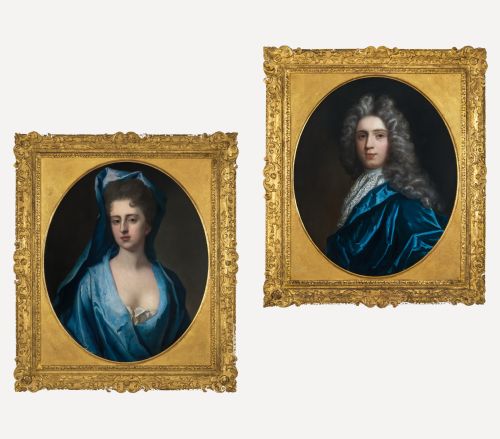
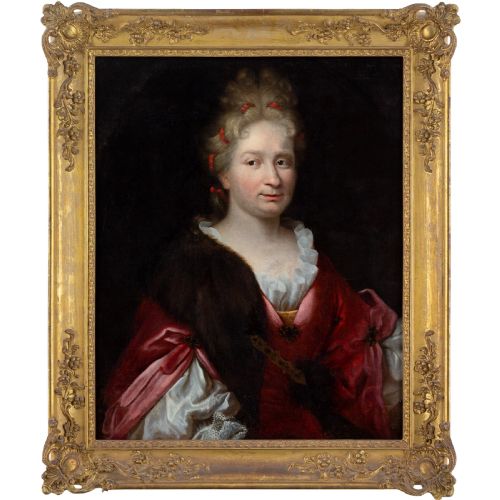
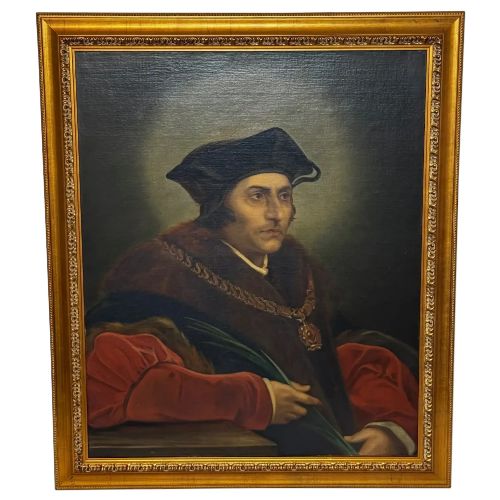
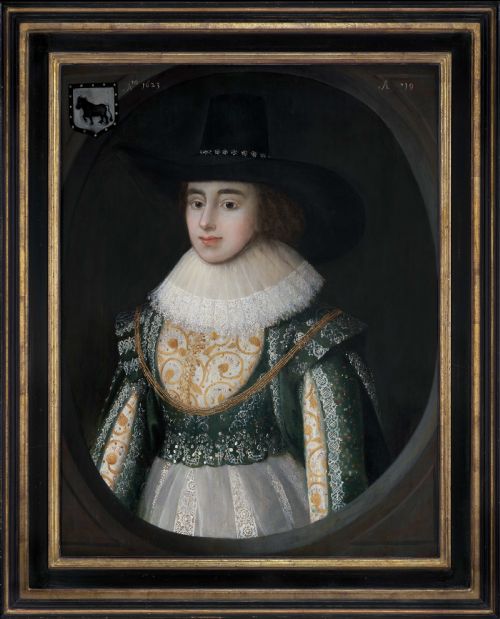
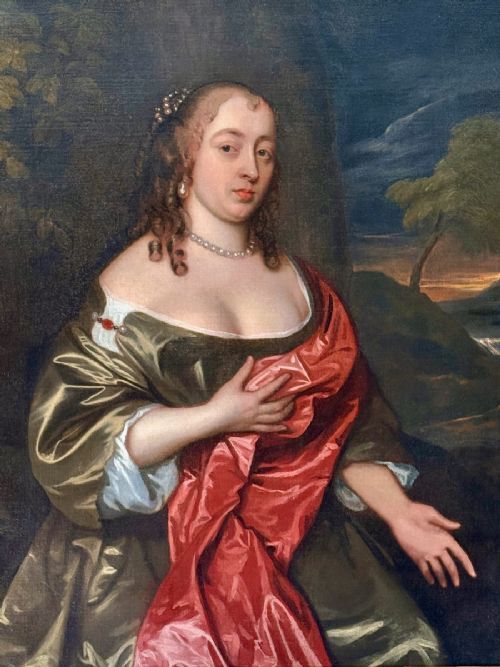
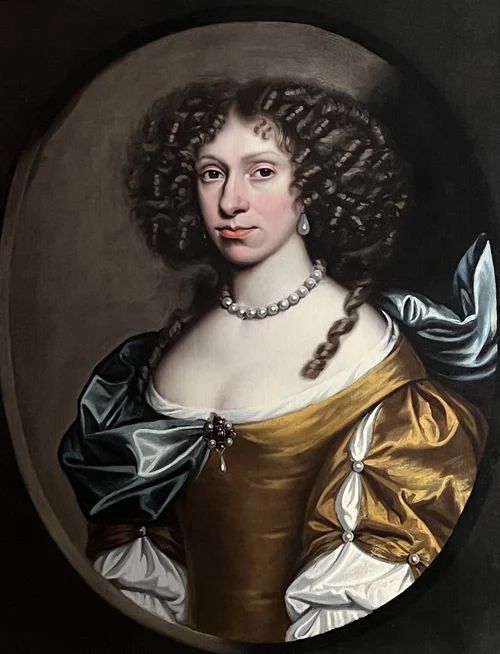
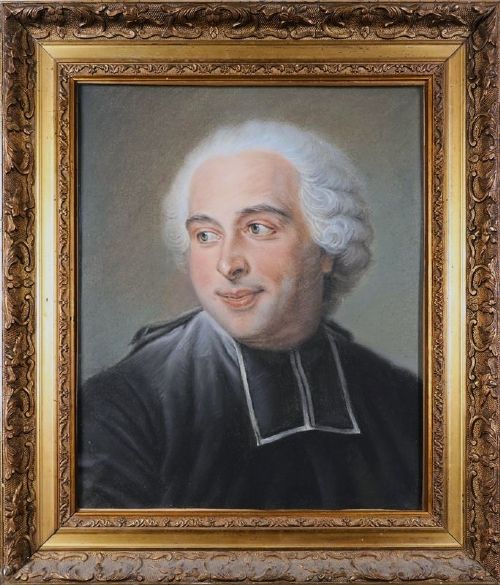
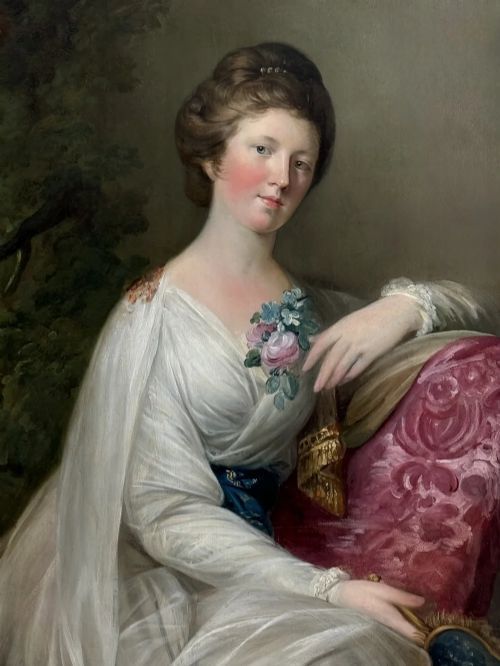
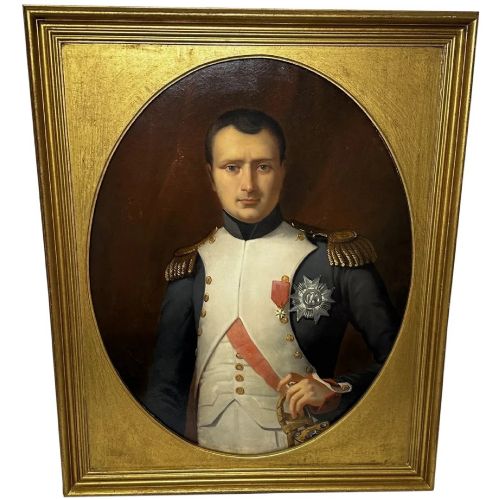
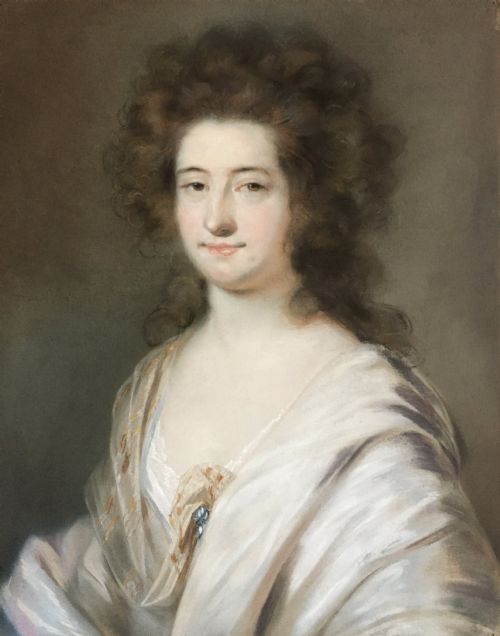
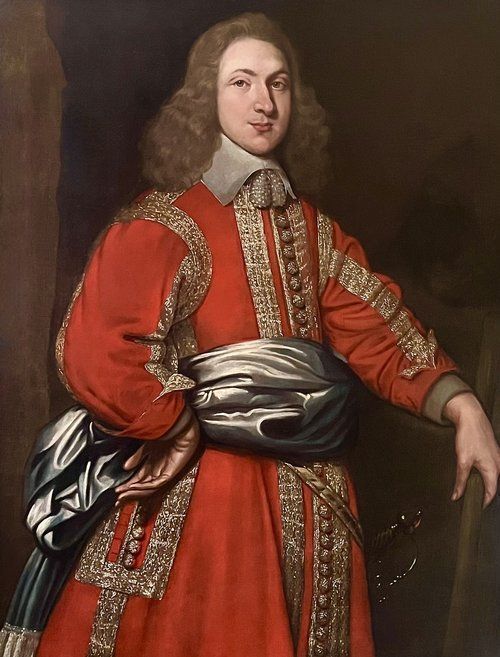
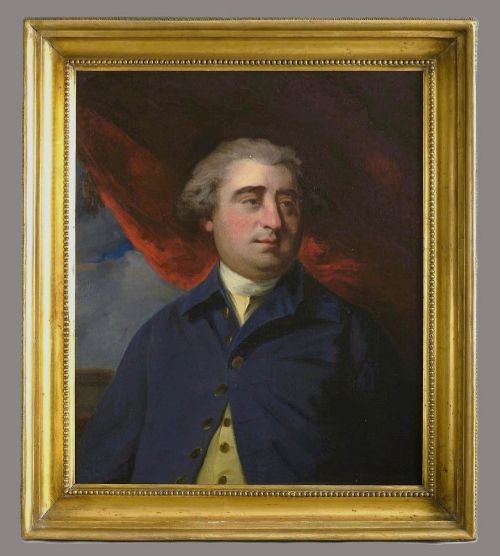
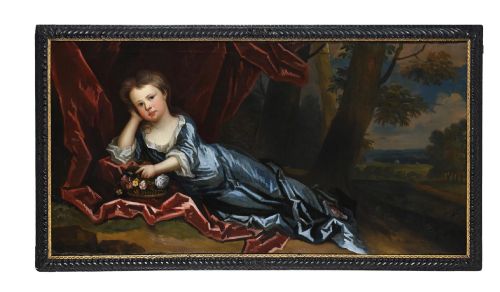
Historical portrait fine art encompasses oil paintings, pastels, and print works depicting named and unnamed sitters from the seventeenth century onwards. A buyer examining this selection will frequently encounter seventeenth-century oil on canvas works alongside eighteenth-century Georgian pieces and later Victorian examples.
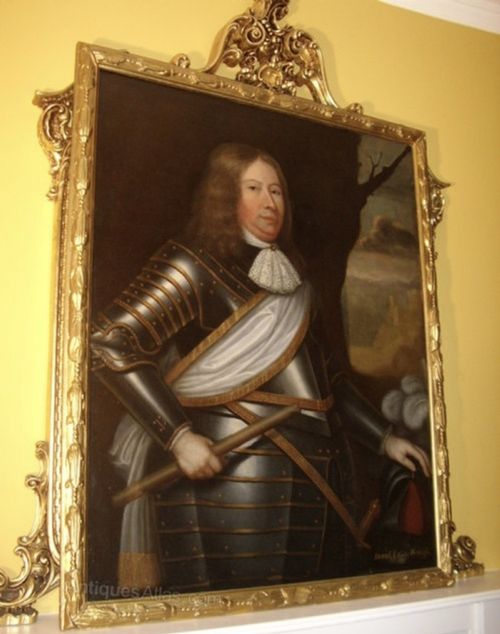
The subjects range from nobility and military officers to artists and privateers, rendered by schools spanning British, Dutch, French, and German makers. These items appear as framed fine art, panel paintings, and portrait miniatures, reflecting the changing tastes in portraiture across successive periods.
The inventory demonstrates significant breadth in scale, from intimate pastel portraits on paper to large-scale canvas works executed by studio circles or named masters. Such pieces serve as tangible links to past eras, carrying the aesthetic conventions of the Baroque, Regency, and Edwardian epochs into modern interiors.
Materials and Technique
The primary support for these works is canvas or wood panel, prepared with grounds before artists applied oil paint using fine brushes and glazes. Mezzotints and reverse glass prints utilise engraved plates and ink on paper to replicate tonal depth.
Frames are constructed from wood, often gilded or finished in giltwood, complementing the visual weight of the central portrait. Pastels and gouache employ dry pigments and water-bound media on paper, requiring careful mounting to preserve the delicate surfaces.
Several sitters gaze outward wearing elaborate lace ruffs and velvet cloaks, seemingly unimpressed by the passage of four hundred years.
Evaluating Quality
Quality in these portraits rests upon the anatomical precision of the drawing, the handling of drapery and lace, and the psychological depth captured in the sitter's expression. Works executed by the primary master or a documented studio hand display superior brushwork and compositional confidence compared to later provincial copies.
The integrity of the original support, the stability of the paint layers, and the retention of period framing significantly influence the overall standard of a piece. Finer examples maintain their original varnish layers and surface tension without excessive overpainting or structural compromise.
Sir Peter Lely·Sir Joshua Reynolds·Cornelius Johnson·Allan Ramsay·James Sharples
The Historical Portrait Fine Art Glossary
- Oil on Canvas
- A painting medium where pigments suspended in drying oils are applied to a woven fabric stretched across a wooden frame. This combination allows for rich colour blending and durability over centuries.
- Mezzotint
- A printmaking process of the intaglio family where the copper plate is roughened evenly to achieve rich dark tones. Scraped and burnished areas create lighter passages, producing subtle tonal gradations ideal for reproducing portraits.
- Giltwood
- Wood that has been coated with a thin layer of gold leaf or gold powder over a prepared gesso ground. It frames many fine art paintings from the Baroque and Georgian periods.
- Portrait Miniature
- A small, highly detailed painting, often executed on vellum, card, or ivory during earlier eras. These intimate items were designed to be carried or worn close to the body.
- Studio of
- A designation indicating a work produced by assistants or pupils working under the direct supervision or influence of a master artist. Such pieces often share the stylistic hallmarks of the primary maker.
Historical Portrait Fine Art: Frequently Asked Questions
How do I date an antique portrait?
Dating relies on the sitter's costume, hair styling, and the construction methods of the canvas stretcher or wood panel. Examining the pigments and framing style further assists in narrowing the period of creation.
Secondary clues include inscriptions, artist signatures, and historical records linking the sitter to a specific decade. Comparing the handling of light and shadow to known dated works by the same school provides additional verification.
What is the difference between an oil on canvas and a pastel portrait?
Oil on canvas utilises fluid paint applied in layers that dry to a durable finish, allowing for deep glazes and rich textures. Pastels use dry pigment sticks applied to paper, creating a velvety, matte appearance that requires glass protection.
Pastel portraits often capture a softer skin texture and immediacy, whereas oil paintings offer greater longevity and resilience against environmental factors. Both mediums were employed concurrently across the seventeenth and eighteenth centuries.
How should I hang and light a historical portrait?
Historical portraits require stable indoor environments away from direct sunlight and excessive humidity to protect the canvas and wood supports. Position them on interior walls where temperature fluctuations are minimal.
Utilise low-heat picture lights or LED art illumination directed away from the painted surface to prevent fading or thermal stress. Ensure the wall fixings match the substantial weight of the original wooden and giltwood frames.
What does attribution to a studio mean?
An attribution to a studio or circle indicates the piece originated from the workshop of a prominent master rather than being painted entirely by their own hand. These works were often supervised by the named artist and reflect their distinct aesthetic standards.
Such pieces offer an accessible entry point to major artistic lineages while maintaining high standards of execution. The handling of secondary elements like drapery or background landscape was frequently delegated to trained studio assistants.