


Historical Folk Art
Historical folk art brings domestic character and unpretentious charm into a room through vernacular paintings and wood carvings.
Historical Folk Art
When you search for historical folk art, you encounter self-taught paintings, naive portraits, and carved wooden figures that record everyday life and notable figures without academic polish.
The pieces on this page span the eighteenth and nineteenth centuries, including American school portraits, Regency watercolours, and carved wooden sculptures.
Forms range from framed oil paintings on board and canvas to small wooden figurines and curiosities.
Materials and construction
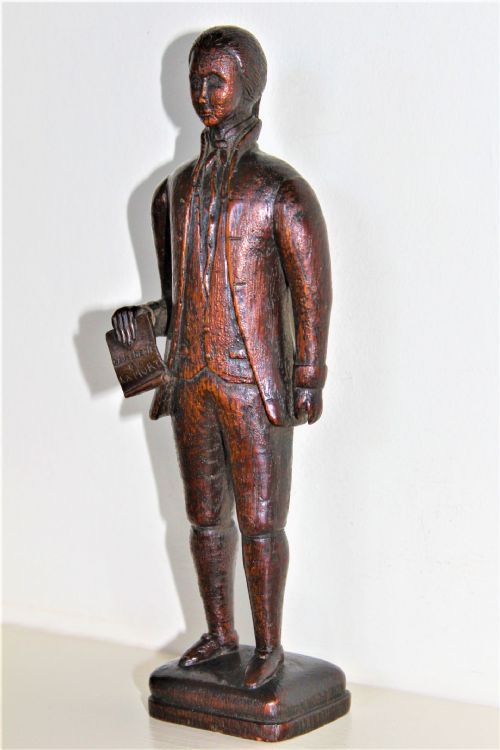
Makers utilised available local materials, shaping hardwood, oak, and general wood board into chunky figures and sculptures using basic hand tools.
Two-dimensional works rely on oil paint, ink, and watercolour applied directly to paper, canvas, or wood board by hands outside the formal academy.
Historical Folk Art Retail Price Guide 2026
Typical asking prices for historical folk art among the pieces listed under this phrase on Sellingantiques today, from the lower quarter to the upper quarter. They describe what is for sale here now, not the wider market.
A village ducking stool stands among the figures, offering a wonderfully stern reminder of historical local justice.
Judging quality
Distinction lies in the directness of the observation and the confidence of the carving or brushwork, where untrained hands achieve a striking psychological presence.
Patina and surface preservation distinguish pieces that retain their original character from those with heavy intervention.
The Historical Folk Art Glossary
- Naive art
- Art produced by a person lacking formal training, often characterised by a childlike perspective and direct representation. It values expressive honesty over strict academic proportion.
- Folk art
- Utilitarian and decorative items created within a community, reflecting traditional culture and regional craft. These objects embody the everyday aesthetic of their makers.
- Vernacular
- Architecture and objects built or made by local artisans using traditional methods and local materials. This approach prioritises function and regional character over high-style academic design.
- Provenance
- The chronology of the ownership or location of a historical object. A clear history helps establish authenticity and context.
Historical Folk Art: Frequently Asked Questions
What is historical folk art?
Historical folk art encompasses paintings, sculptures, and objects made by untrained or self-taught artists from past centuries. These pieces reflect local traditions and personal observation rather than formal academic training.
Items range from naive oil portraits to carved wooden figures of historical personalities. They offer a direct window into the visual culture of ordinary households and communities.
How do I date these pieces?
Dating historical folk art relies on examining the materials, framing, and pigment types used by the maker. Inscriptions, labels, and the natural ageing of wood and paper also provide vital clues.
Stylistic markers, such as costume in portraits or the specific tools evident in wood carvings, help narrow down the period of production.
Where were these pieces displayed?
Historical folk art pieces typically adorned domestic interiors, country houses, and local establishments. They served as personal portraits, decorative ornaments, or commemorative carvings.
Unlike high-art academy pieces commissioned for grand salons, these objects lived in everyday spaces.
How should I care for folk art?
Care for folk art involves protecting delicate surfaces like watercolour and paper from direct sunlight and excessive moisture. Wooden sculptures benefit from stable indoor humidity to prevent splitting.
Avoid harsh chemical cleaners on painted or carved surfaces, preferring gentle dusting with a soft cloth.