




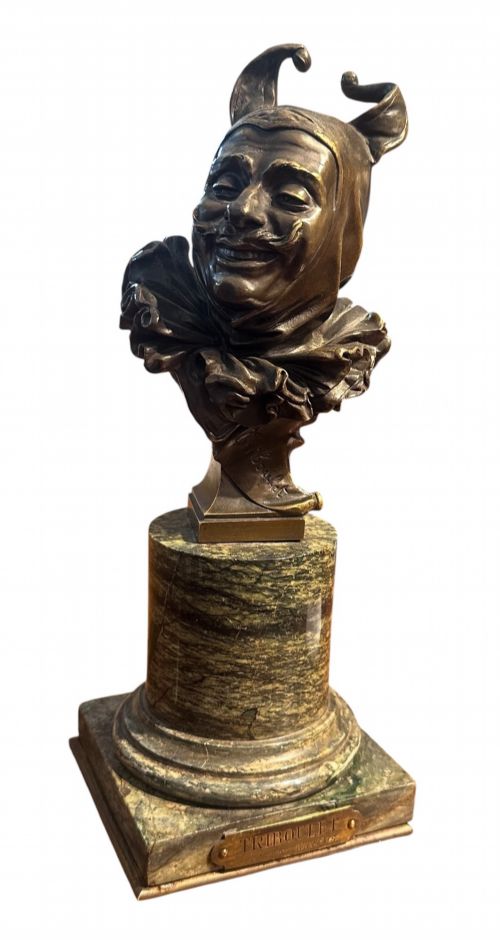


Historical Figure Statue
When you collect a historical figure statue, you bring home a tangible piece of portraiture in metal, clay or wood.
Historical Figure Statue
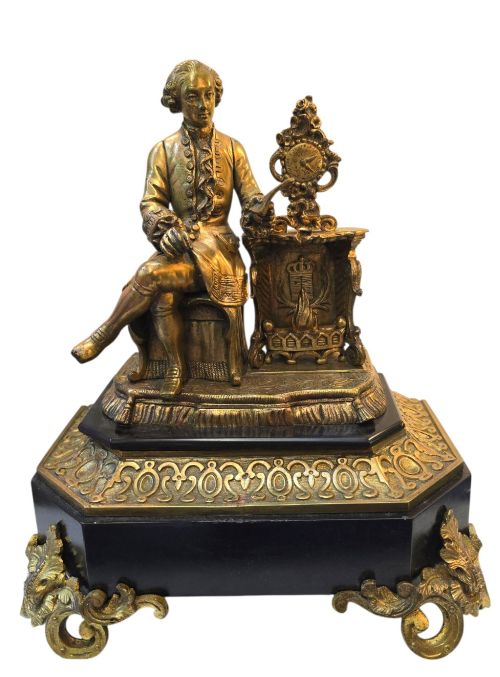
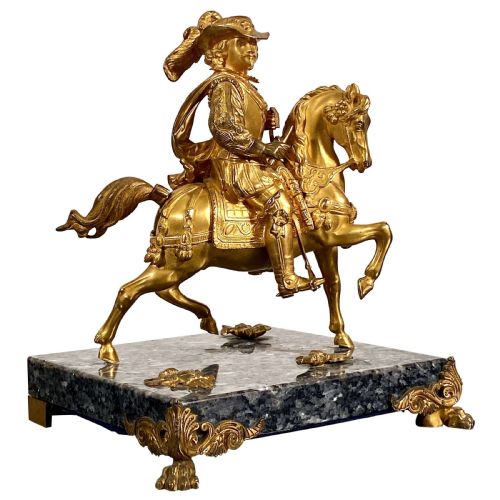
A historical figure statue captures notable rulers, military leaders, monarchs, and cultural figures across multiple centuries of craftsmanship. These works range from monumental equestrian bronzes to modest ceramic portrait figures and carved wooden busts.
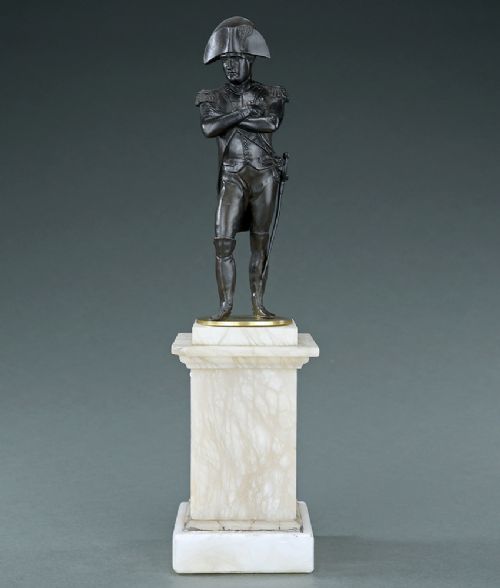
The selections on this page lean heavily towards nineteenth-century bronze casts and Victorian earthenware pottery. You will frequently encounter depictions of Napoleon, historical monarchs, and regional patriots rendered in cast metal or glazed ceramics.
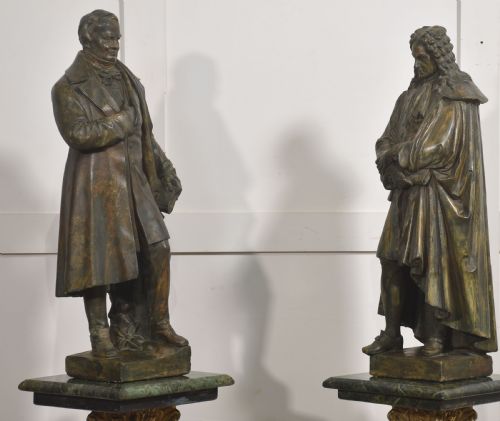
Makers utilised various scales, from cabinet bronzes designed for libraries to substantial pairs of figures meant for display on mantelpieces. The subjects bridge political history, military triumphs, and cultural iconography.
Factors of quality and execution
Ceramic portrait figures depend upon crisp moulding and careful hand-painting of facial expressions and regalia. Finer pieces maintain clean glaze application without pooling or fading across the subject's uniform or robes.
Historical Figure Statue Retail Price Guide 2026
Typical asking prices for historical figure statue among the pieces listed under this phrase on Sellingantiques today, from the lower quarter to the upper quarter. They describe what is for sale here now, not the wider market.
Cabinet bronzes of Napoleon let nineteenth-century scholars debate military strategy whilst standing quietly among heavy library books.
Pierre-Augustin Caron de Beaumarchais·Emile Guillemin·C Dopmeyer·E.H. Dumaige·Jean Jules Salmson·Antonio Rossellino·Willems·James Pradier·C.Anfrie
The Historical Figure Statue Glossary
- Patina
- The surface oxidation or applied chemical treatment that alters the colour of bronze sculpture. Over time, handling and environment can enrich this finish.
- Ormolu
- Finely ground high-carat gold applied to bronze, creating a rich golden surface often seen on French Empire and nineteenth-century decorative works.
- Electrotype
- A metal-copying process utilising electrolysis to deposit a thin layer of copper or bronze over a mould, producing detailed figures without traditional casting.
- Earthenware
- A porous pottery body fired at lower temperatures, commonly utilised for nineteenth-century Staffordshire portrait figures and glazed figurines.
Historical Figure Statue: Frequently Asked Questions
Where were Staffordshire portrait figures displayed?
Victorian households placed these ceramic figures on mantelpieces, sideboards, and parlor tables. They served as affordable patriotic displays for ordinary families.
Makers often labelled the bases with the subject's name to educate viewers and honour political or military figures.
What is the difference between bronze and electrotype?
Traditional bronze sculptures are formed by pouring molten metal into a mould using methods such as the lost-wax technique. This produces a solid or heavy hollow metal sculpture with substantial weight.
Electrotype figures are created through chemical deposition of metal onto a form. They offer intricate surface detail while remaining lighter than traditional cast bronzes.
How should I care for antique metal sculptures?
Dust bronze and gilt metal gently with a soft, dry brush to prevent dirt accumulation. Avoid using chemical polishes, which can strip away the historic patina.
Maintain stable indoor humidity levels to protect the underlying metal and any wooden or marble bases attached to the piece.