




Historical Etchings
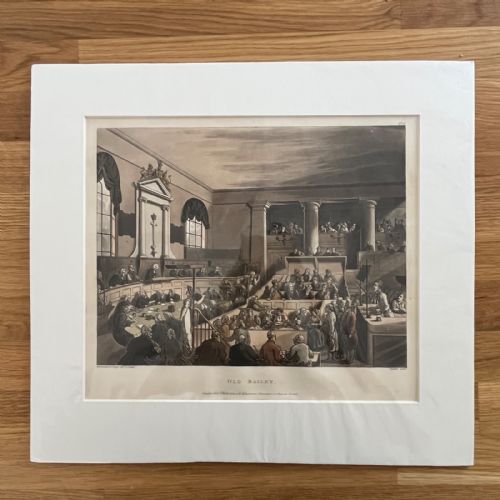
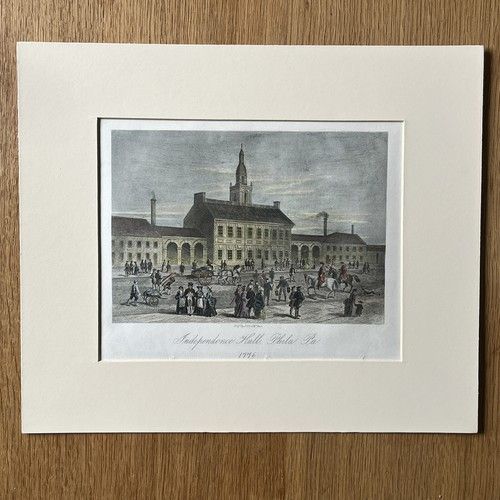
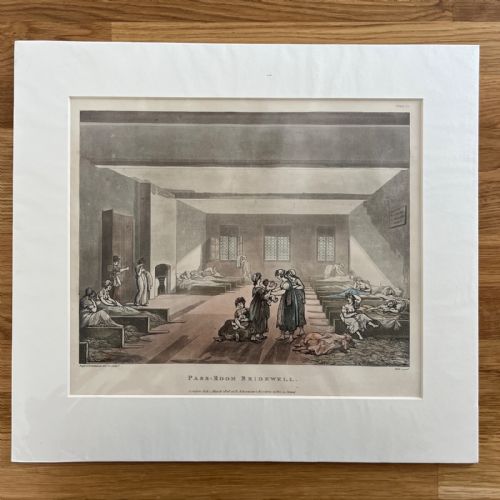
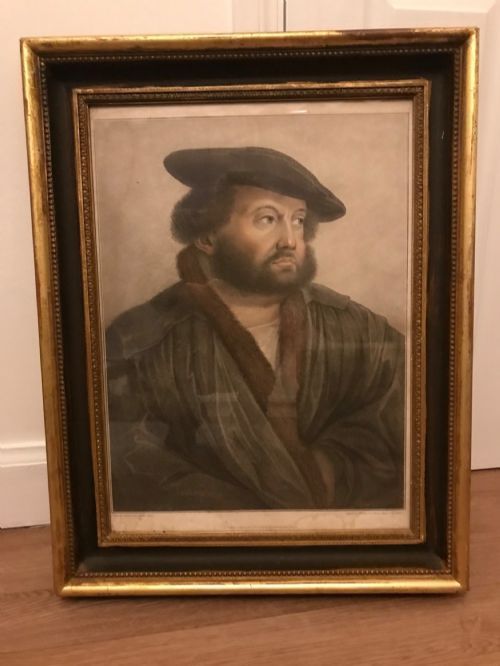
Historical etchings bring centuries of portraiture, classical architecture and domestic scenes into rooms through inked paper framed in wood and gold leaf.
Historical Etchings
When you search for historical etchings, you encounter works spanning the seventeenth century through to the Edwardian era and 1920. These pieces primarily appear as framed prints, engravings and wall art within styles such as Baroque, Georgian and Victorian.
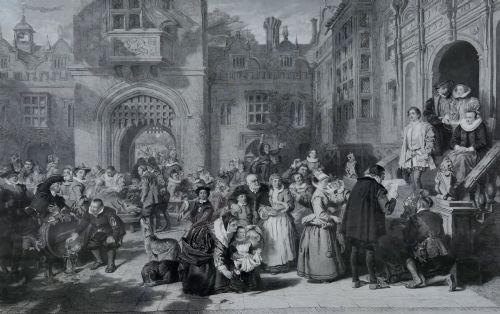
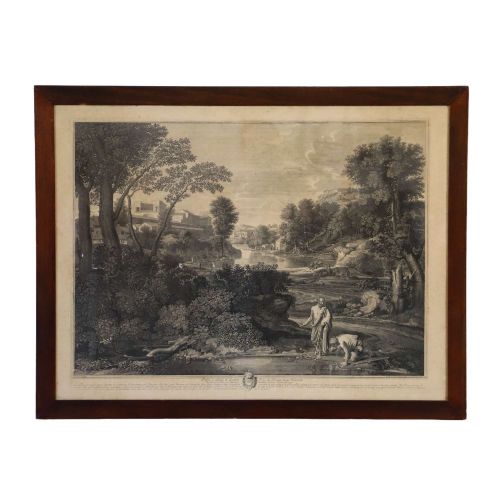
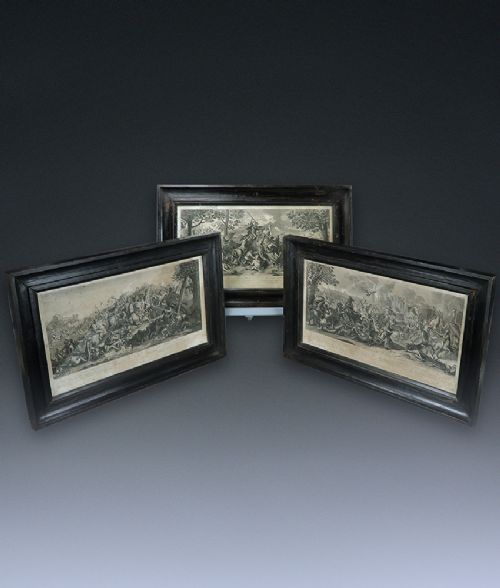
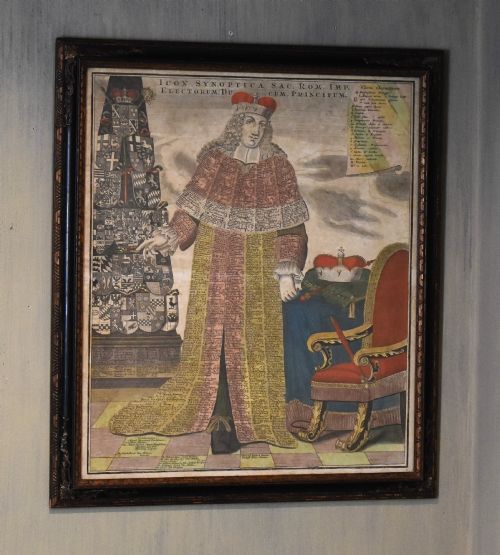
The subjects range widely across European landscapes, classical antiquity, formal portraiture and architectural studies. You will find items depicting subjects like the antiquities of Athens, London bridges and scenes relating to the Holy Roman Empire alongside intimate domestic and animal portraits.
Materials and methods
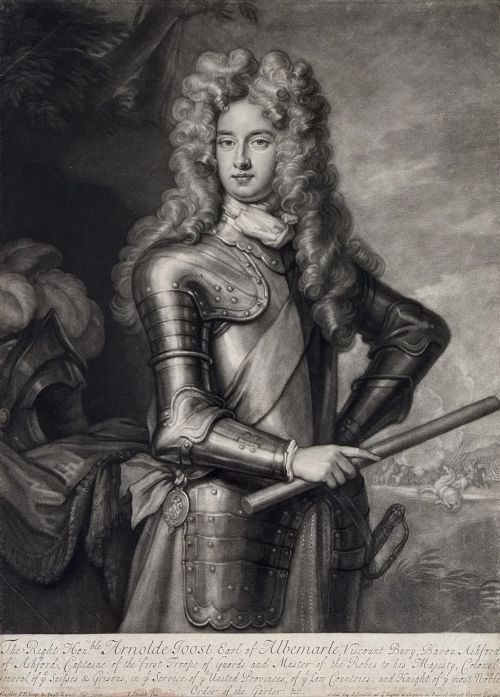
These works rely on paper as the primary support, marked by ink applied through various printmaking techniques including etching, engraving, stipple engraving and mezzotint. Master printmakers worked from paintings or drawings by notable artists to produce these detailed plates.
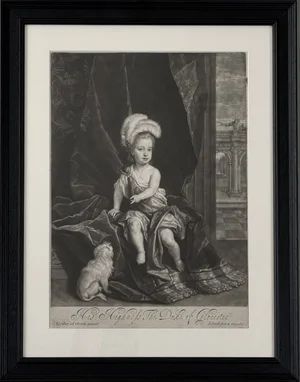
Framing forms an integral part of the physical object, utilising timber, gold leaf, gilt wood and original Hogarth frames. Glass protects the delicate paper surfaces from environmental damage while housing the framed prints.
Historical Etchings Retail Price Guide 2026
Typical asking prices for historical etchings among the pieces listed under this phrase on Sellingantiques today, from the lower quarter to the upper quarter. They describe what is for sale here now, not the wider market.
Listings feature works spanning the 17th Century, 18th Century, 19th Century, Edwardian period and 1920, executed on paper with ink.
Quality and craftsmanship
The crispness of the ink impression upon the paper distinguishes finer examples from worn impressions where plates have degraded over multiple printings. Detail in the linework and shading reveals the technical skill of the engraver.
The integrity of the original frame, whether giltwood or Hogarth style, contributes significantly to the overall cohesion and preservation of the piece. Matching an eighteenth or nineteenth-century print with its contemporary frame elevates the authenticity of the object.
John Smith·Francesco Bartolozzi·James Heath·Étienne Baudet·Edward Rooker·James Basire
The Historical Etchings Glossary
- Engraving
- A printmaking process where an artist cuts lines directly into a metal plate with a sharp tool called a burin. This technique produces crisp, precise lines characteristic of many historical prints.
- Mezzotint
- A tonal printmaking method that allows for rich gradations of light and shade without relying on line. It was frequently utilised for dramatic portraits during the seventeenth and eighteenth centuries.
- Stipple engraving
- A method of creating images on a metal plate using dots rather than continuous lines. This technique was often employed to render soft flesh tones and subtle textures in portraiture.
- Hogarth frame
- A distinctively profiled wooden picture frame popular during the eighteenth century, featuring an ogee shape often finished with gilding or dark lacquer. These frames frequently house period prints.
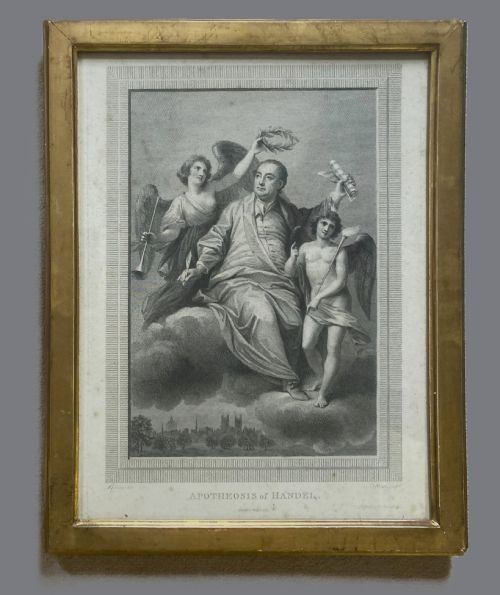
- Apotheosis
- The elevation of someone to divine status, a popular allegorical subject in historical art and classical prints. Artists utilised grand theatrical compositions to depict these elevated scenes.
Historical Etchings: Frequently Asked Questions
How do I care for historical etchings?
Keep framed prints away from direct sunlight to prevent the ink from fading and the paper from yellowing over time. Stable indoor humidity levels protect both the fragile paper and the wooden frames.
Ensure that the glass remains intact to shield the surface from dust and atmospheric pollution. Handle hanging hardware securely to support the combined weight of timber frames and glass.
What is the difference between an etching and an engraving?
An engraving involves cutting lines directly into a metal plate using a sharp handheld tool. The physical pressure creates clean, precise grooves for holding ink.
An etching uses acid to bite the lines into the metal plate through a protective wax ground. This chemical process allows for freer, more fluid lines than direct mechanical cutting.
Are these frames original?
Some historical prints retain their original timber, giltwood or Hogarth frames from the seventeenth, eighteenth or nineteenth centuries. These original housings complement the age and style of the artwork.
Other pieces may have been reframed at later dates to ensure structural stability and protection. Inspecting the joinery and backing materials helps determine the history of the frame.
Where were these historical prints made?
The pieces originate primarily from European workshops, with strong representation from British, French and classical traditions. Printmakers and publishers produced them in urban centres like London to satisfy public demand for art and documentation.
Subjects often reflect the cultural interests of their specific periods, from the antiquities of Athens to contemporary political figures and military victories.