




Historical Embroidery Frame
These historical embroidery frame pieces are framed textile works capturing centuries of needle craft, offering rich stories in silk, wool, and thread.
Historical Embroidery Frame
When you search for a historical embroidery frame, you encounter framed textile art, needlework samplers, and tapestry wall hangings spanning the eighteenth and nineteenth centuries. These pieces represent detailed handwork originating from British, Dutch, French, German, and Scottish makers, preserving historical scenes, names, and dates behind glass.
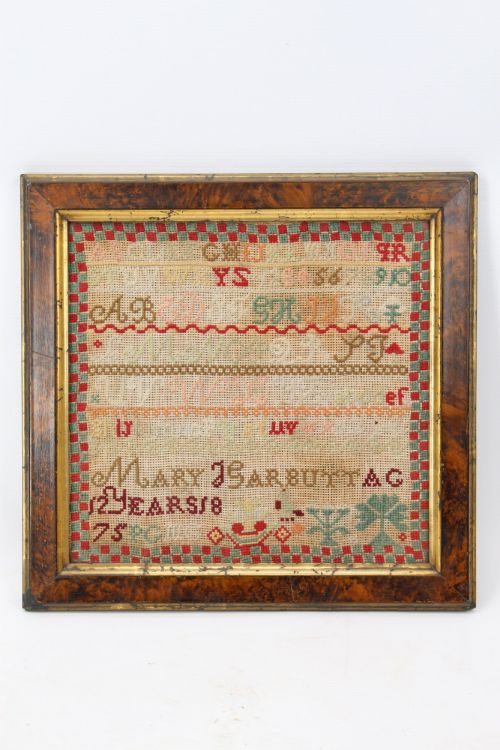
The versions you are most likely to meet on this page include Victorian needlework samplers and framed panels, alongside nineteenth century Berlin wool work and silk needlework pictures. These objects combine textile art with period frames, often recording names such as Mary J Garbutt or Annabella Samon alongside dates like 1875 or 1851.
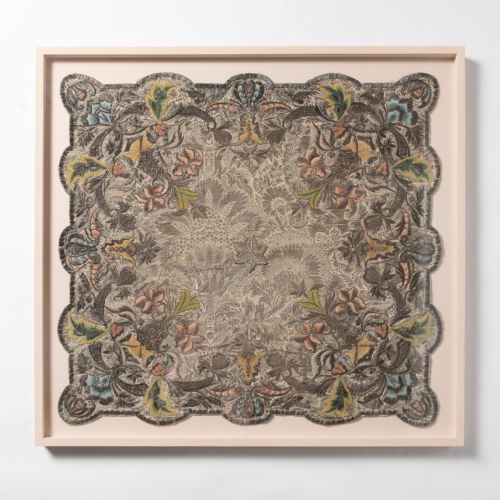
Makers utilised canvas, linen, silk, wool, and metal thread to construct these framed artworks, mounting them in wood and gilded wood frames. The subjects range from horse racing tracks and historical figures like Napoleon to traditional alphabets and genealogical samplers.
How they were made
Artisans built these works using natural textile fibres such as silk, wool, linen, and cotton thread stitched onto woven canvas or linen backings. Silk and metal thread provided shimmering detail for pictorial scenes, while standard wool and thread formed the dense stitches of samplers and Berlin wool work.
Makers enclosed the completed needlework inside wood and gilded wood frames, frequently protecting the delicate textiles behind glass. This framing method preserved the fragile threads and canvas from dust and handling over subsequent centuries.
Historical Embroidery Frame Retail Price Guide 2026
Typical asking prices for historical embroidery frame among the pieces listed under this phrase on Sellingantiques today, from the lower quarter to the upper quarter. They describe what is for sale here now, not the wider market.
Jane Wettmore and Sarah Anne Hudson stitched their names into history, leaving schoolgirl projects that outlasted empires.
What varies in quality
The complexity of the stitchwork and the preservation of the delicate fibres distinguish one piece from another. Finer examples display intricate metal thread integration, sophisticated pictorial composition, and well-maintained silk or wool yarns.
The quality of the enclosing frame, whether plain wood or gilded wood, interacts with the condition of the glass and backing. Pieces that retain their original framing and legible maker inscriptions or dates command greater attention from collectors.
The Historical Embroidery Frame Glossary
- Berlin wool work
- A type of counted-thread embroidery popular during the nineteenth century, worked in wool on canvas from printed and hand-coloured grid patterns. This technique produced brightly coloured pictorial wall hangings and tapestries.
- Needlework sampler
- A piece of textile art created by individuals to demonstrate their proficiency in various stitches, alphabets, and motifs. These works often include the maker's name, age, and a specific date.
- Metal thread
- Flat or twisted strips of metal, often gilt or silvered, used in embroidery to add reflective highlights and texture to pictorial scenes. It appears frequently in eighteenth-century and nineteenth-century decorative panels.
- Gilded wood
- Wood that has been coated with a thin layer of gold leaf or gilt gesso, commonly utilised for framing fine artwork and textiles during the eighteenth and nineteenth centuries. This finish adds a reflective border to the needlework.
Historical Embroidery Frame: Frequently Asked Questions
What is a historical embroidery frame?
A historical embroidery frame refers to framed textile art, samplers, and tapestries created during the eighteenth and nineteenth centuries. These items combine hand-stitched needlework with period wooden or gilded frames.
They serve primarily as decorative wall art that preserves historical textile techniques, personal names, and domestic scenes from past eras.
How do I date a needlework piece?
Many samplers and framed panels include stitched dates alongside the maker's name, such as works from 1847, 1851, or 1875. Stylistic clues like Victorian lettering or French Empire motifs also help establish the period.
The materials used, including specific types of wool, silk, and glass in the frame, provide further confirmation of age.
Where were these textile pieces made?
The listings show origins across Britain, Scotland, Germany, France, and the Netherlands. Each region developed distinct stylistic preferences, from Scottish mourning tapestries to German Berlin wool work.
Makers ranged from young girls practicing stitches on school samplers to skilled artisans producing large pictorial wall hangings.
How should I display framed needlework?
Keep framed textile art away from direct sunlight to prevent the silk, wool, and cotton threads from fading over time. Stable indoor humidity levels protect the fragile canvas, linen, and wooden frames.
Ensure the glass remains secure to shield the delicate stitches from dust and atmospheric moisture in your home.