






Historic Textile Tapestry
Historic textile tapestry brings centuries of woven artistry into domestic spaces, offering rich textures and narrative depth that anchor a room.
Historic Textile Tapestry
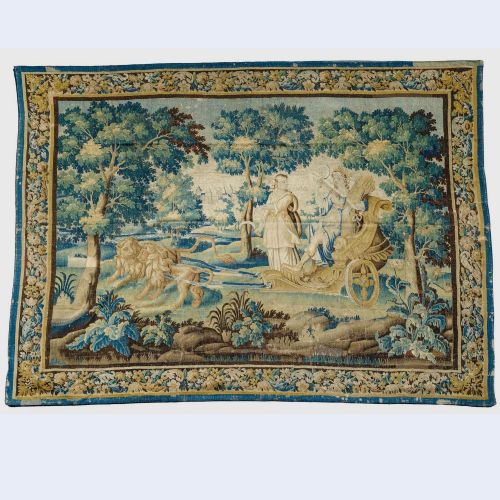
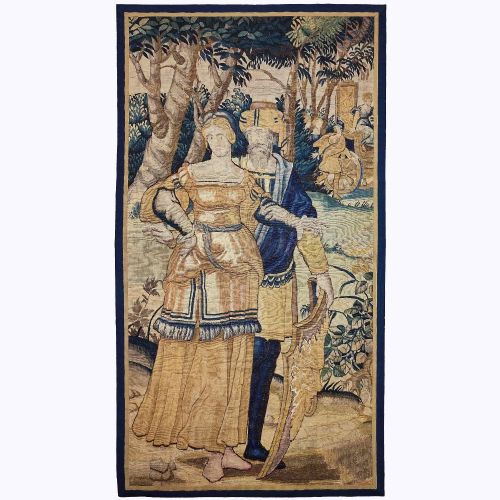
When you search for historic textile tapestry, you encounter woven panels, wall hangings, and mounted fragments originating from various European workshops.
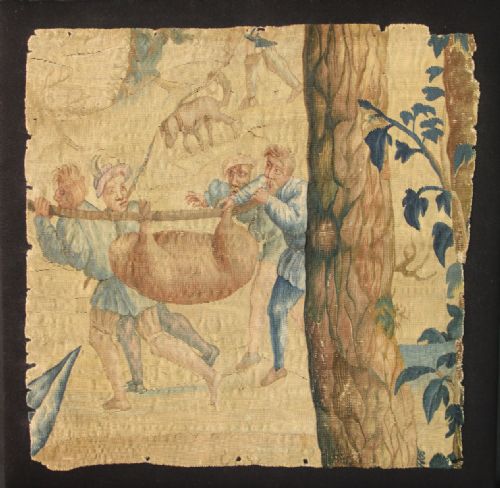
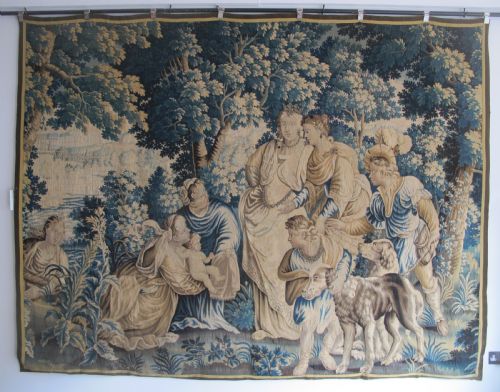
The selections span from sixteenth-century Flemish panels to seventeenth-century verdure designs and later needlework samplers.
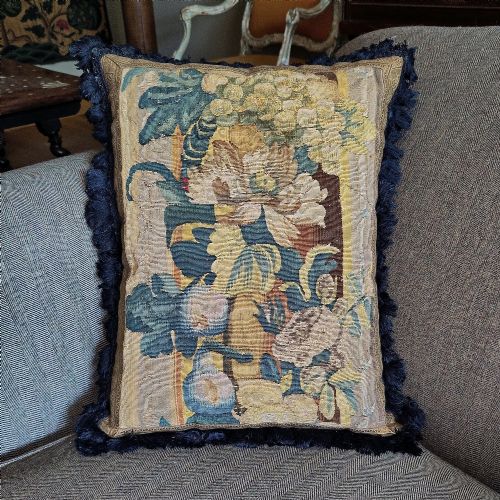
Many examples arrive mounted on linen, framed in oak or giltwood, or fashioned into decorative cushions.
How they were made
Artisans constructed these pieces using wool, silk, and metal threads woven onto sturdy linen or canvas foundations.
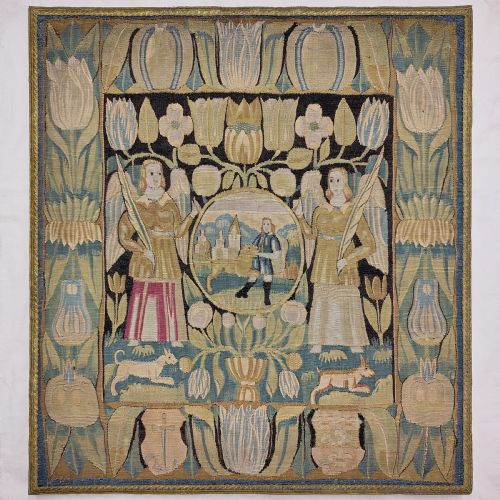
Needlework panels and samplers rely on precise stitching techniques executed by hand with wool and silk threads.
Framed examples utilise traditional wooden supports, including giltwood and oak, to preserve the textile structures.
Historic Textile Tapestry Retail Price Guide 2026
Typical asking prices for historic textile tapestry among the pieces listed under this phrase on Sellingantiques today, from the lower quarter to the upper quarter. They describe what is for sale here now, not the wider market.
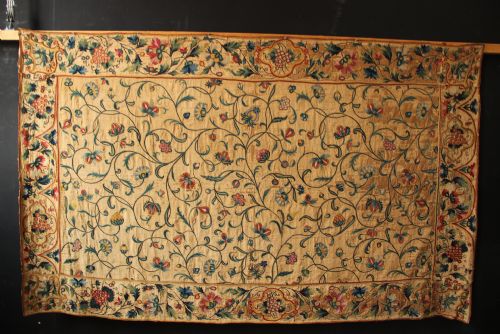
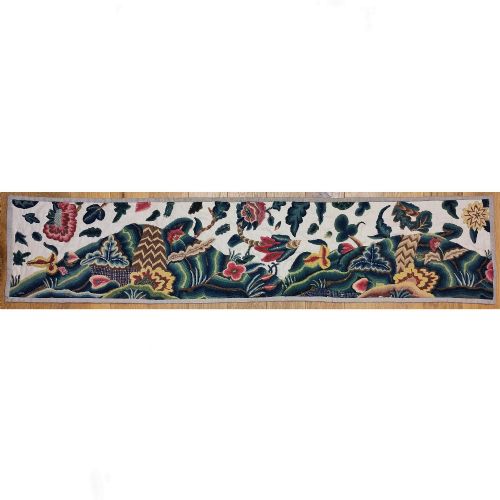
The inventory encompasses English crewelwork, Flemish verdure panels, Brussels tapestries, and Georgian map samplers.
What varies in quality
The refinement of the dye palette and the complexity of the figural or botanical drawing dictate the visual hierarchy.
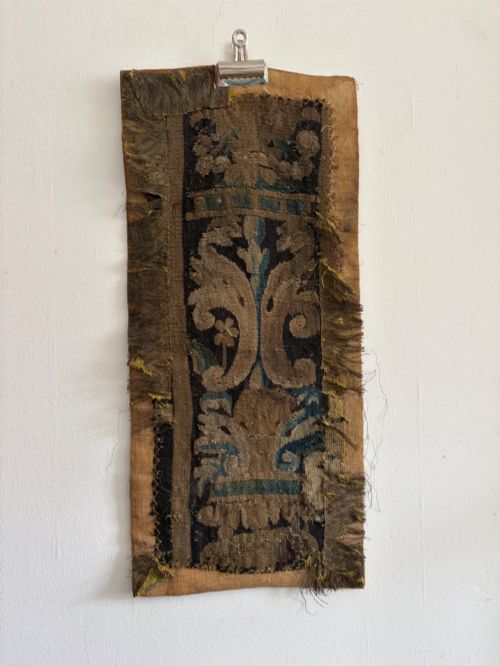
Completeness alters the character of a piece, distinguishing intact large-scale panels from border fragments and cushions.
The Historic Textile Tapestry Glossary
- Verdure tapestry
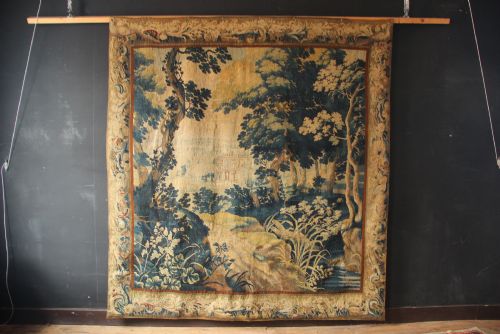
- A type of woven wall hanging dominated by lush botanical foliage, trees, and often birds or animals. These scenes typically draw upon seventeenth-century Flemish traditions.
- Crewelwork
- A form of surface embroidery using wool yarn on a linen or cotton base. Early English examples demonstrate intricate floral and scrolling patterns.
- Samplers
- Needlework pieces created to practice or demonstrate stitching proficiency, frequently featuring alphabets, numbers, and decorative motifs. Dated examples often record the maker's age.
- Border fragment
- A surviving section cut from the decorative edge of a larger tapestry. These pieces are commonly mounted onto linen for preservation and display.
- Metal thread
- Fine strands of gold, silver, or gilt metal incorporated into embroidery or weaving to add reflective highlights.
Historic Textile Tapestry: Frequently Asked Questions
How do I hang a large tapestry safely?
Large wall hangings require weight distribution across a custom wooden batten or hidden sleeve rather than direct nailing.
Professional mounting prevents tension distortion along the upper border of wool and silk panels.
Can I use tapestry cushions daily?
Historic cushion covers benefit from gentle placement on armchairs rather than heavy everyday seating use.
Protecting fragile silk and wool threads from friction preserves the historic needlework.
How do I identify a Flemish verdure?
Flemish verdure pieces display dense woodlands and leaf motifs executed in muted wool and silk tones.
These seventeenth-century wall hangings focus on botanical landscapes rather than human figures.
What is the difference between crewelwork and tapestry?
Crewelwork involves surface embroidery stitched directly onto a woven linen or canvas ground by hand.
Tapestries are woven on a loom where the design forms the fabric structure itself.