








Historic Silk Needlework
Historic silk needlework pieces are needlework samplers and embroidered panels that bring centuries of hand-stitched detail into a room.
Historic Silk Needlework
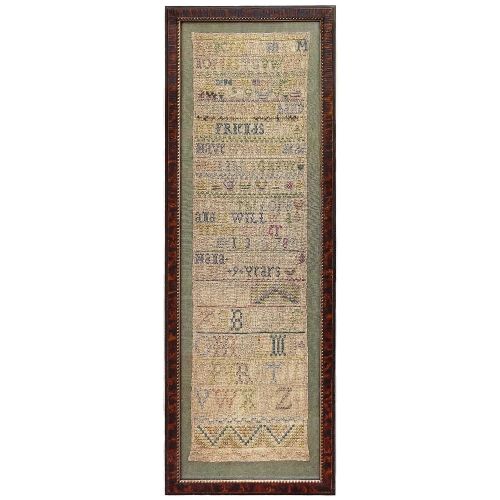
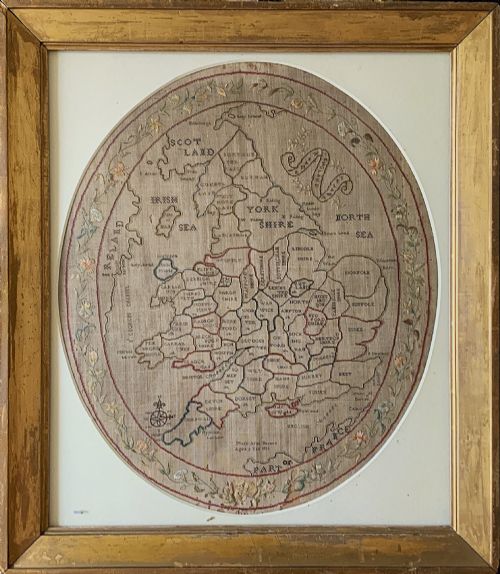
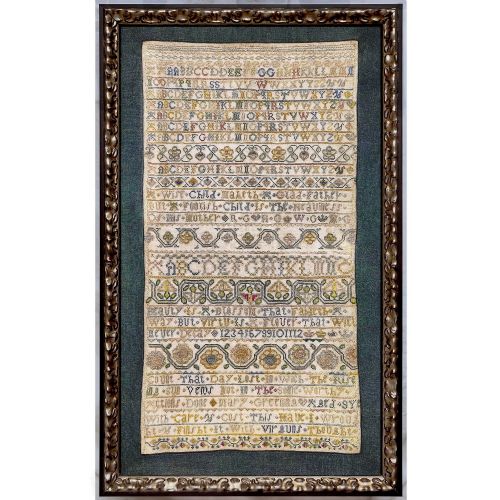
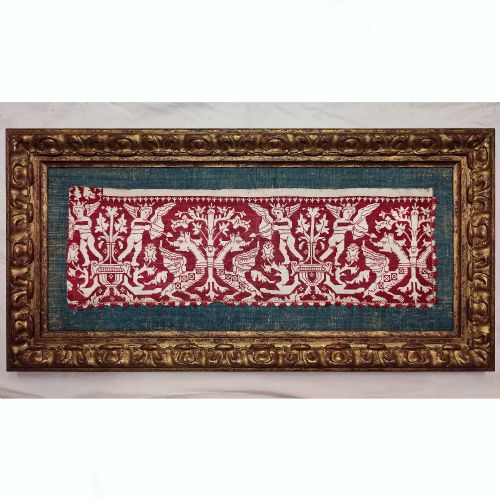
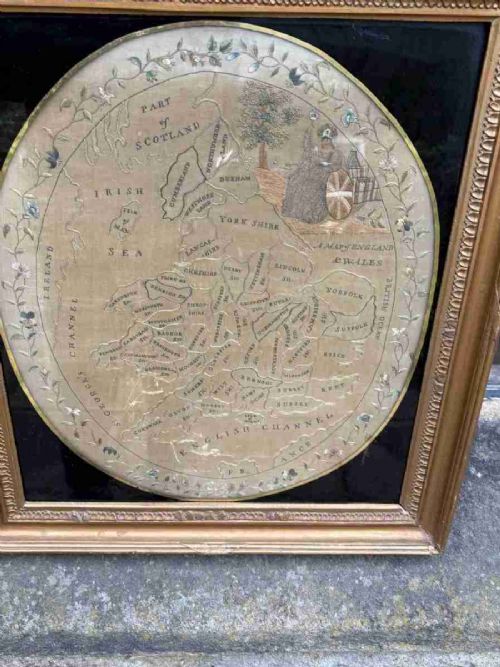
When you search for historic silk needlework, you meet textile art spanning from the seventeenth century through the nineteenth century. The selection includes framed wall art, map samplers, and cushion covers created across Georgian, Victorian, and Stuart periods.
Sampler Martha Hall 1822 and similar works show the hand of individual makers, sometimes including young girls recording dates and names. You also encounter embroidered borders and mounted picture panels framed in wood or giltwood.
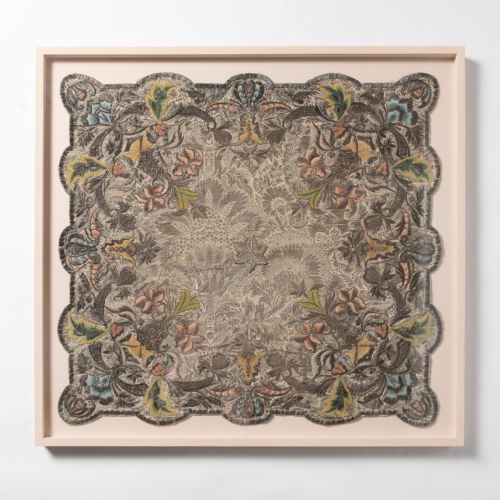
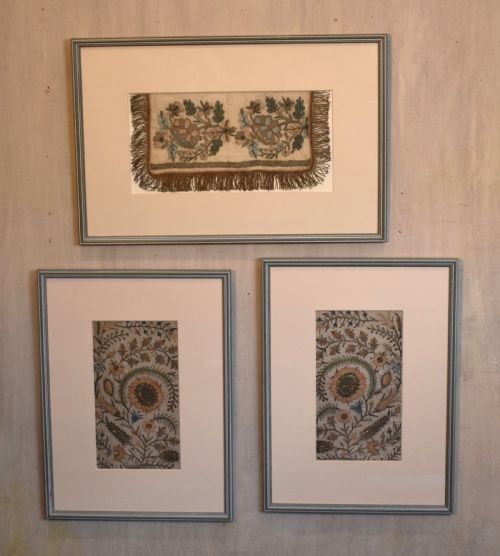
The objects take forms such as framed textile art and soft furnishings, often reflecting specific regional cartography or classical motifs. Each piece preserves textile techniques passed down through generations of makers.
How they were made
Makers stitched silk thread and wool onto grounds of linen using needlepoint and embroidery techniques. These materials formed intricate pictorial scenes, maps, and lettering.
Finished textiles were often mounted within period frames, including octagonal giltwood housings, to protect the delicate threads. The combination of durable linen and fine silk thread accounts for the survival of these panels over centuries.
Historic Silk Needlework Retail Price Guide 2026
Typical asking prices for historic silk needlework among the pieces listed under this phrase on Sellingantiques today, from the lower quarter to the upper quarter. They describe what is for sale here now, not the wider market.
Materials recorded across the pieces include silk thread, wool, linen, wood, and giltwood frames.
What varies in quality
The finesse of the stitching and the complexity of the design separate simpler works from elaborate map samplers and pictorial panels. Preservation of the original silk threads and the tightness of the linen ground also determine the standing of each piece.
Framing contributes to the character of the object, with period giltwood frames enhancing the presentation of eighteenth and nineteenth century panels. The inclusion of documented makers' names and dates adds distinct historic interest to individual samplers.
Mary Banion·Mary Greening·Ann Hodson·Sarah Baker·Martha Hall·Mary Pinfold
The Historic Silk Needlework Glossary
- Sampler
- A piece of needlework produced as a demonstration or test of skill in various stitches. They frequently feature alphabets, numerals, and genealogical records.
- Band sampler
- A narrow, elongated format featuring horizontal bands of distinct patterns and stitches. These were collected and referenced by needleworkers for future projects.
- Map sampler
- A geographical needlework project depicting countries or regions, often produced in the Georgian period. They combine cartography with decorative stitchwork.
- Giltwood
- Wood that has been treated with gold leaf or a gold-coloured metallic finish. It appears frequently on frames housing eighteenth century embroidery.
- Embroidery
- The craft of decorating fabric using a needle to apply thread or yarn. Historic examples employ fine silk threads to build pictorial depth.
Historic Silk Needlework: Frequently Asked Questions
How should I hang historic silk needlework?
Keep framed textile art away from direct sunlight to prevent the silk threads from fading over time. Position them on interior walls where temperature and humidity remain stable.
Ensure the hanging wire and fixings match the weight of the wooden or giltwood frame securely. Professional framing with UV-protective glass offers additional safeguarding for delicate eighteenth and nineteenth century panels.
How do I date a needlework sampler?
Many samplers include embroidered dates and the maker's age or name, such as works from 1822 or 1847. Stylistic clues like lettering fonts and map boundaries also point to periods such as the Georgian era.
Examine the mounting materials and frame construction for corroborating evidence of age. Stuart and seventeenth century pieces display different stylistic motifs compared to later Victorian examples.
What is the difference between a sampler and a panel?
Samplers traditionally display a collection of different stitches, alphabets, and motifs used to practice or demonstrate needlework skill. They often record the maker's name and date of completion.
Panels focus on a single pictorial scene, map, or decorative border rather than a catalogue of stitches. Both forms utilise silk thread on linen grounds but serve different visual purposes.