



Historic Sailing Painting
A historic sailing painting captures the drama of maritime life, offering a window into naval battles, bustling ports and ocean voyages.
Historic Sailing Painting
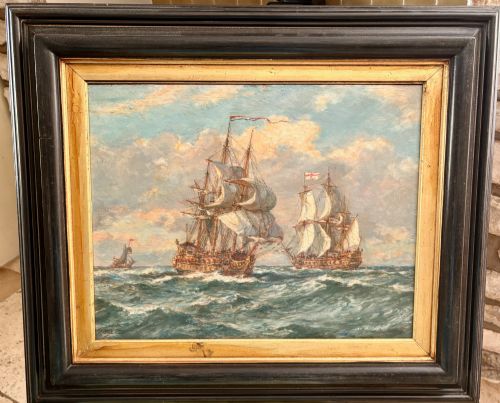
A historic sailing painting encompasses artworks depicting vessels, maritime battles and coastal shipping scenes from various past eras. These pieces range from detailed ship portraits to dynamic sea battles rendered by named maritime artists.
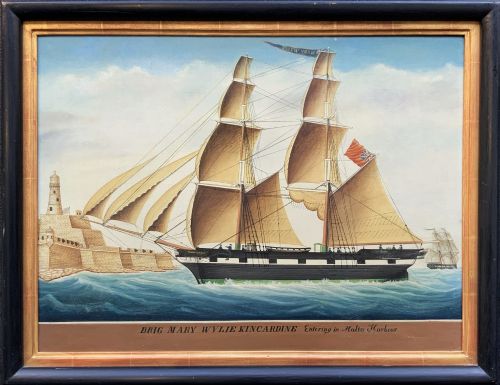
Buyers frequently encounter works executed in oil on canvas or panel, alongside watercolours and framed artwork. Subjects often feature specific vessels, lighthouses and historic harbours such as Valletta or the Thames.
The selection spans from eighteenth-century depictions to mid-century marine realism, reflecting changing artistic approaches to maritime subjects over time. Traditional maritime art forms the core of what collectors meet on this page.
How they were made
Artists utilised oil paint applied to stretched canvas or wooden panels to capture the translucent quality of water and the intricate rigging of ships. Gold leaf was often employed in the construction of traditional frames to complement the richness of the painted surface.
Watercolour pigments on paper were also utilised for lighter, more fluid coastal scenes and river views. Glazing under glass frequently protected these delicate works on paper from environmental damage.
Wood provided the structural support for panel paintings and the frames that house them, often featuring carved and gilded details. These materials worked together to ensure the longevity of marine artworks.
Historic Sailing Painting Retail Price Guide 2026
Typical asking prices for historic sailing painting among the pieces listed under this phrase on Sellingantiques today, from the lower quarter to the upper quarter. They describe what is for sale here now, not the wider market.
Alongside flat canvases, the selection includes a large Edwardian pond yacht, proving that historic sailing enthusiasm wasn't confined strictly to the wall.
What varies in quality
The fidelity of the vessel's rigging, hull construction and maritime architecture distinguishes accomplished marine works from simpler decorative pieces. Mastery over light, atmosphere and the turbulent movement of the sea separates proficient artists from minor hands.
Condition plays a part, particularly the preservation of the original paint layer and the absence of extensive restoration to the canvas or panel. The quality and period appropriateness of the gilded wood frame also influence the overall standing of the piece.
Bernard Gribble·Dion Pears·Joseph Heard·Edward Fletcher
The Historic Sailing Painting Glossary
- Oil on panel
- A painting technique where oil paint is applied directly to a prepared wooden board rather than fabric canvas. This substrate provides a rigid support favoured by many historic marine artists.
- Maritime art
- Artistic works that depict or draw inspiration from the sea, ships, boats and coastal views. This genre includes both naval history and commercial shipping scenes.
- Ship portrait
- A specialised painting genre focused on rendering a specific vessel with accurate architectural detail and correct flags. These works were often commissioned by shipowners or captains.
- Gilded wood
- Timber treated with a thin layer of gold leaf or metallic powder, commonly used for traditional picture frames. This finish enhances the visual weight of the presentation.
Historic Sailing Painting: Frequently Asked Questions
What is a historic sailing painting?
A historic sailing painting is an artwork depicting ships, naval engagements, or coastal shipping scenes created during past centuries. These works serve as visual records of maritime history and naval architecture.
Such paintings often record specific vessels, named lighthouses, or historic ports. They utilise mediums like oil on canvas and watercolour to capture the sea.
Who painted these maritime scenes?
Maritime scenes were painted by specialised artists who often had personal experience of the sea or naval service. Professionals like Joseph Heard and Bernard Gribble dedicated their careers to recording ships and coastal views.
Many artists paid close attention to the technical details of rigging and hull design. Their work provides accurate representations of historic sailing vessels.
How should I hang a marine painting?
Marine paintings require placement away from direct sunlight and damp environments to protect the canvas, paper and pigments. Stable interior wall conditions help preserve both the artwork and its wooden or gilded frame.
Consider eye-level positioning in a room with balanced lighting to properly appreciate the fine detail of the rigging and water. Proper hanging ensures the longevity of the piece.
How do I date a sailing painting?
Dating a sailing painting involves examining the style of the vessel, the clothing of any figures, and the artist's signature or recorded working period. Ship design changed rapidly across the eighteenth and nineteenth centuries.
Frame construction, canvas type, and written inscriptions on the reverse also provide clues to the age of the artwork. Comparative study with known dated works helps narrow down the timeline.