






Historic Print Decor
Historic print decor brings centuries of cartography, portraiture and panoramic engraving into the room as finished wall art and table globes.
Historic Print Decor
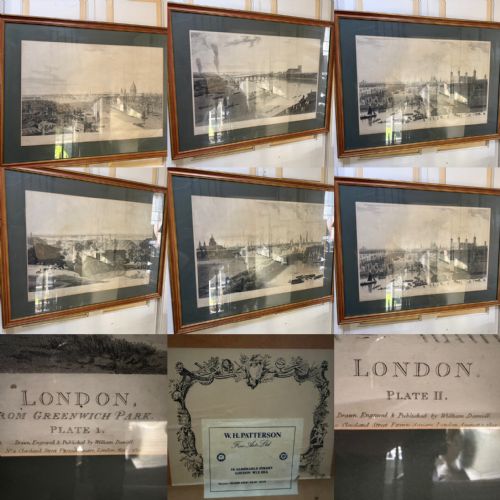
Historic print decor encompasses framed maps, wall art, prints, and table globes originating from the seventeenth, eighteenth, and nineteenth centuries. These pieces translate past cartography and portraiture into interior decoration, preserving works by engravers and mapmakers from periods such as the Georgian, Regency, and Victorian eras.
Origins span British, French, and Dutch cartographic and artistic traditions, providing diverse visual records of cities, regions, and historical figures. Each piece functions as a direct artefact of its period, retaining the ink, paper, and pigment of its creation.
Materials and construction
These works rely fundamentally on paper, ink, and pigment, often housed behind glass within timber frames of wood, giltwood, or gilt wood. Engravings and maps were produced using metal plates and presses, applying ink to laid or woven paper substrates.
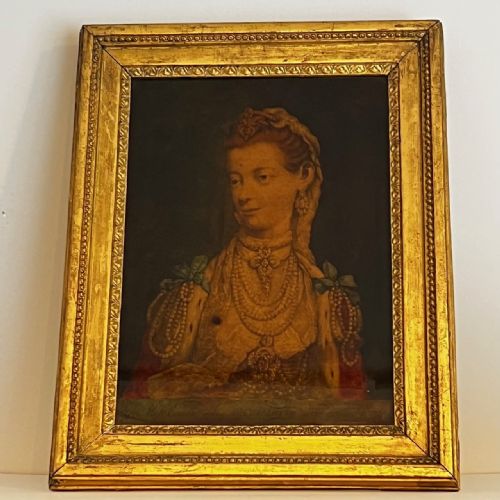
Framing components frequently incorporate brass fittings and traditional joinery. Specialised formats such as reverse glass prints involve applying pigment and ink directly to the reverse side of a glass panel to achieve a luminous surface.
Historic Print Decor Retail Price Guide 2026
Typical asking prices for historic print decor among the pieces listed under this phrase on Sellingantiques today, from the lower quarter to the upper quarter. They describe what is for sale here now, not the wider market.
Materials across these listings include paper, wood, glass, ink, giltwood, brass, and pigment.
Distinctions in quality
Quality in these works rests upon the clarity of the impression and the precision of the original engraving or cartographic drawing. Finer examples retain sharp ink lines and legible text without blurring or excessive fading.
The integrity of the materials, including the preservation of the original paper and the authenticity of the period frame, dictates the standing of a piece. Retaining contemporary hand-colouring or untouched surface patination elevates an item above later impressions or heavily restored examples.
William Daniell·William Hole·Abraham Van Blyenberch
The Historic Print Decor Glossary
- Engraving
- A printmaking technique where an artist cuts lines into a metal plate to hold ink. The inked plate is then pressed onto paper to transfer the image.
- Cartography
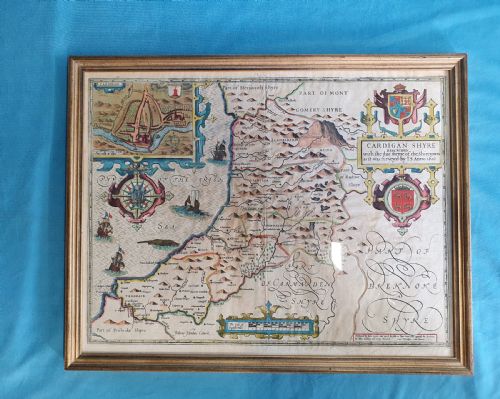
- The science or practice of drawing maps. Antique examples often incorporate decorative cartouches and detailed regional borders.
- Reverse glass print
- An image applied to the back of a glass sheet for viewing from the front. This method protects the pigment and produces a distinctive reflective sheen.
- Table globe
- A small spherical representation of the Earth mounted on a stand. These objects combine geography with decorative craftsmanship.
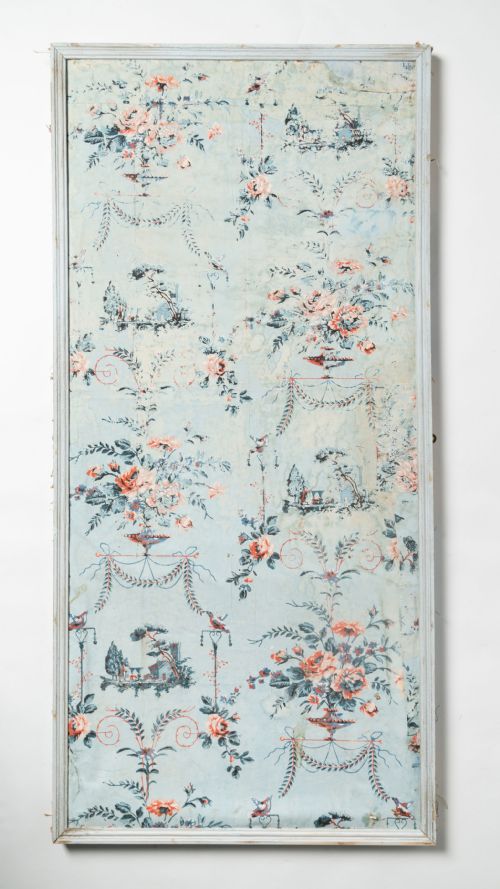
- Wall paper panel
- A section of historic wall hanging featuring printed or hand-painted ornament. Surviving panels preserve interior decoration styles from past centuries.
Historic Print Decor: Frequently Asked Questions
How do I date an antique map?
Dating relies on internal evidence such as cartographic boundaries, place names, and publisher details recorded within the margins or cartouches. Typography and paper analysis also help confirm the period of printing.
Comparison with documented editions from makers like Saxton or Camden provides a reliable framework for establishing the exact year or era of production.
Are these prints original impressions?
The listings comprise period prints, engravings, and maps pulled during the active dates of the plates rather than modern reproductions. Each piece reflects the printing technology of its specific century.
Ink quality, paper texture, and plate marks assist in verifying that a work belongs to the historical period stated in its description.
How should I hang historic paper art?
Historic paper requires protection from direct sunlight to prevent the fading of ink and pigment over time. Maintaining stable indoor humidity levels prevents warping of the paper and the surrounding frame.
Utilising UV-filtering glass during framing offers an essential safeguard while preserving the visual clarity of the artwork on the wall.
What is a reverse glass print?
A reverse glass print is an artwork where the design is painted or printed onto the back side of a glass pane. Viewers look through the glass to see the finished image, which gains a unique depth from this technique.
This method was popular for decorative portraits and historical subjects during the Georgian period, requiring careful handling to protect the delicate pigment behind the glass.