

Historic Oil Portrait
A historic oil portrait brings centuries of character into a room through layered brushwork and enduring canvas.
Historic Oil Portrait
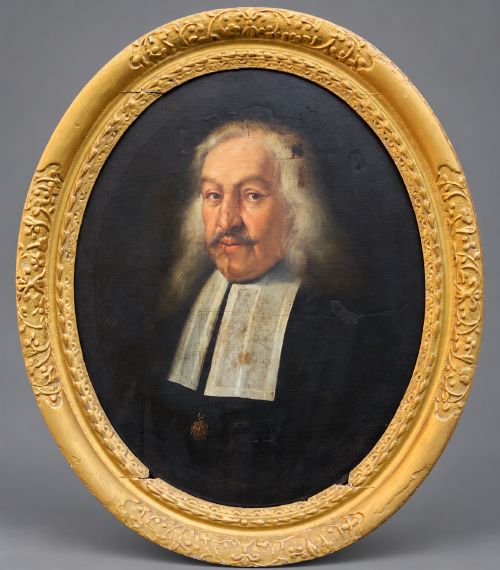
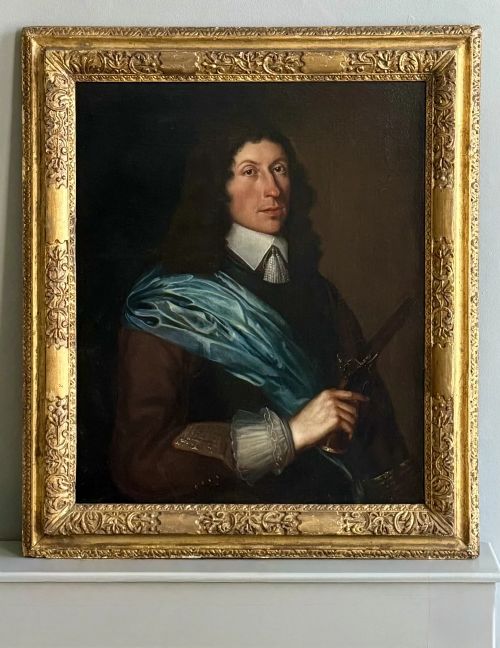
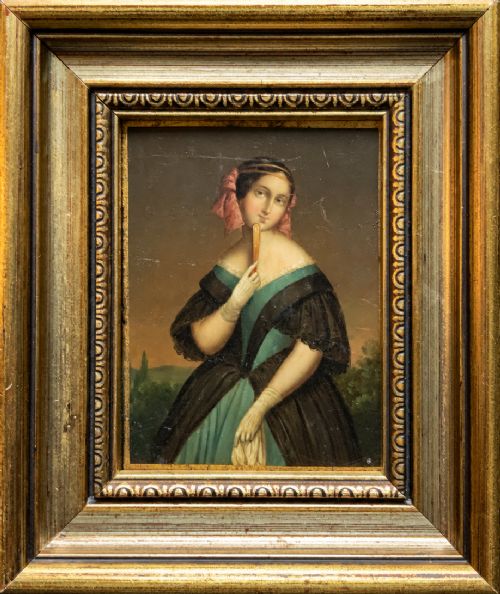
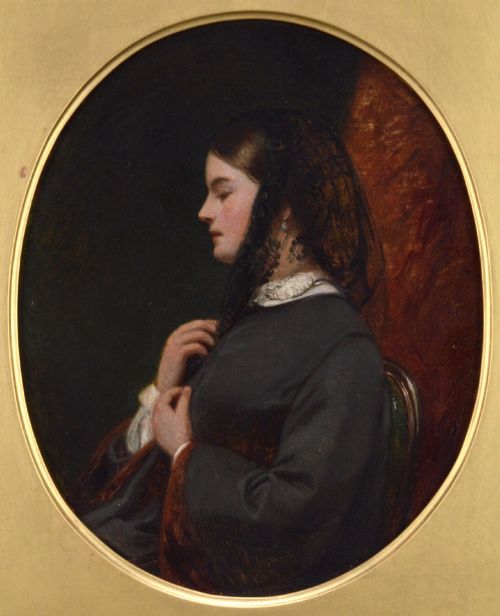
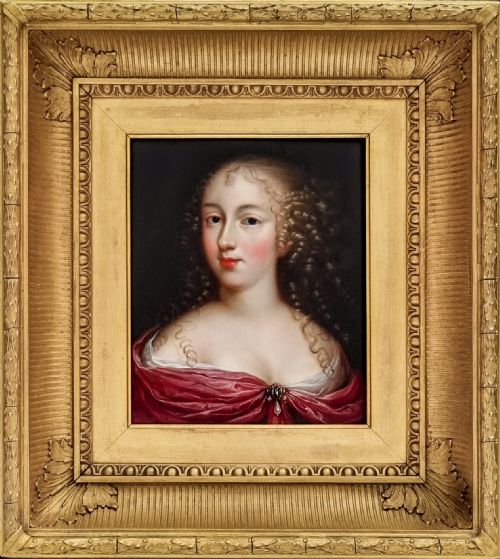
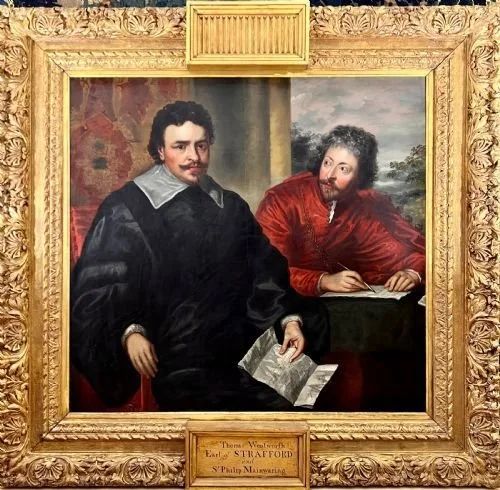
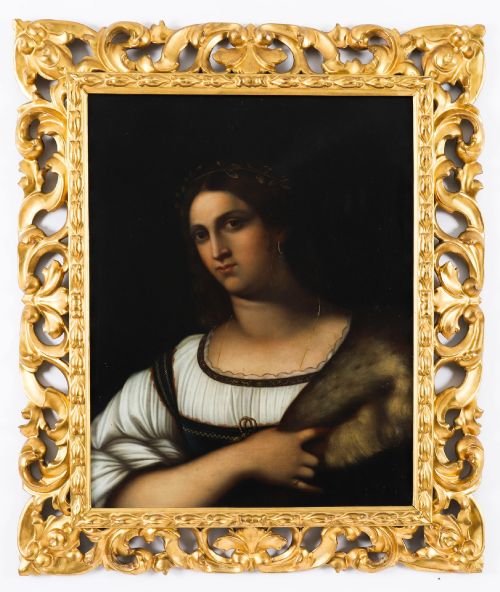
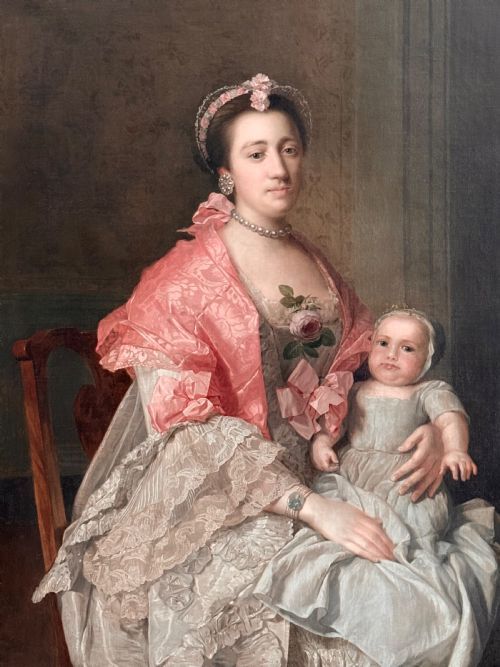
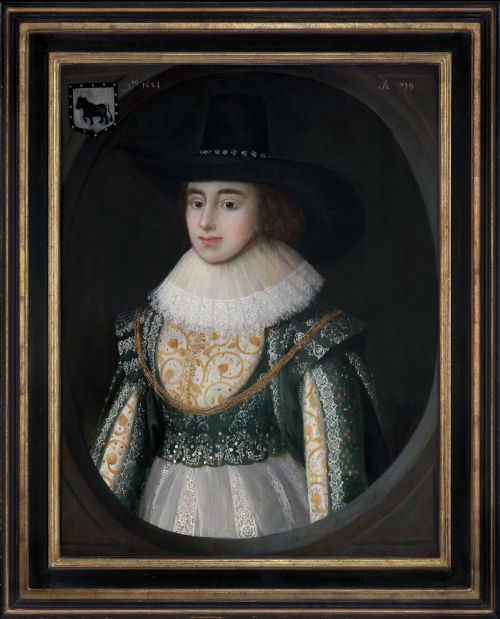
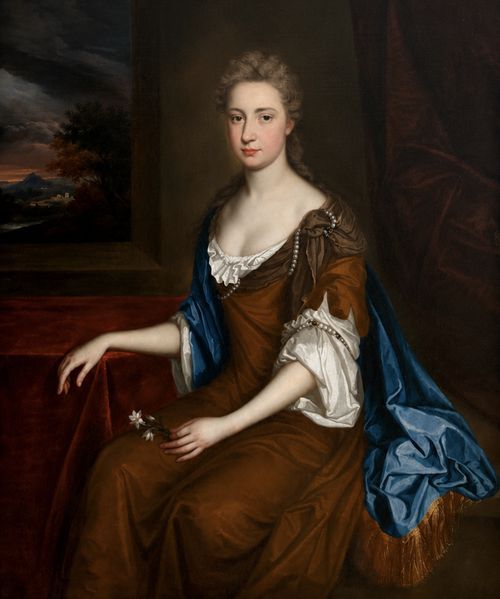
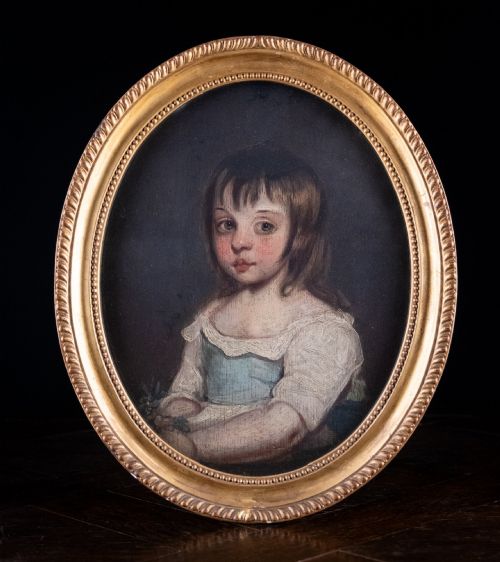
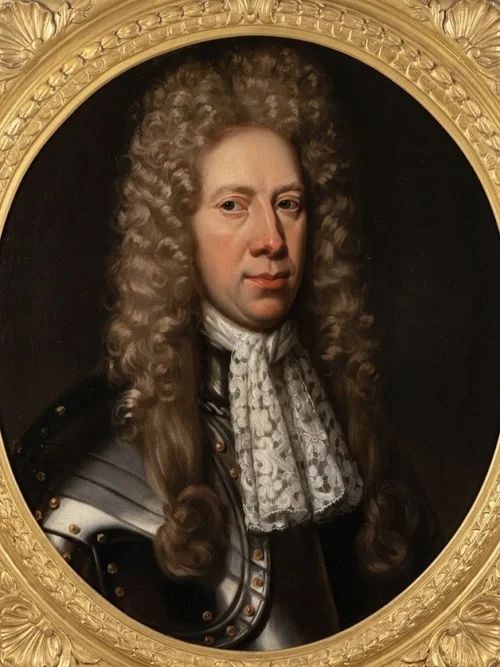
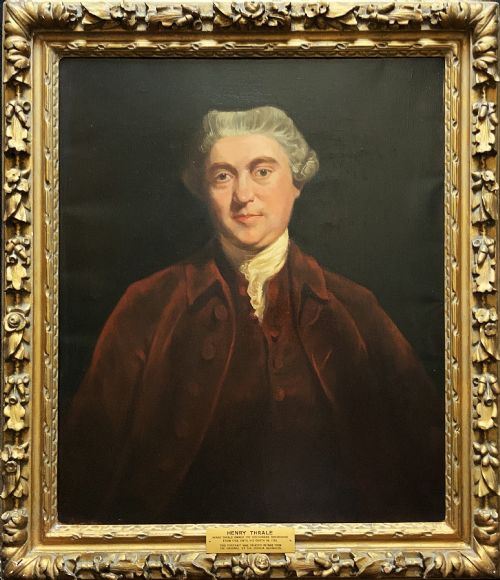
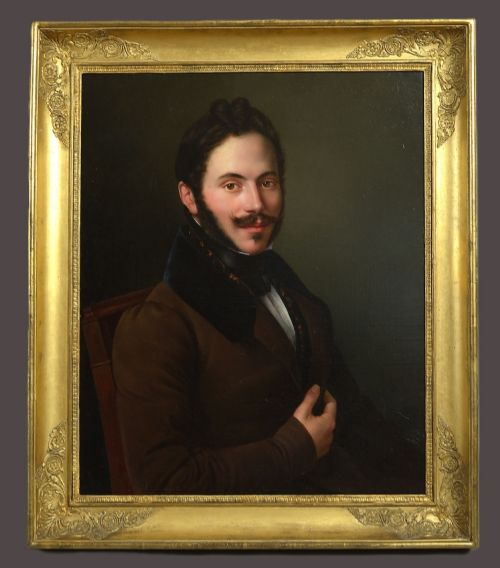
A historic oil portrait captures the likeness of nobility, military officers, and everyday sitters across the seventeenth, eighteenth, and nineteenth centuries. These works emerge from diverse regional schools spanning English, French, Flemish, and Northern European traditions.
The buyer meets subjects ranging from grand aristocratic figures in elaborate costume to quiet studies of country girls and gentlemen holding pipes or books. Many pieces arrive framed in period giltwood or wood, preserving their original aesthetic context.
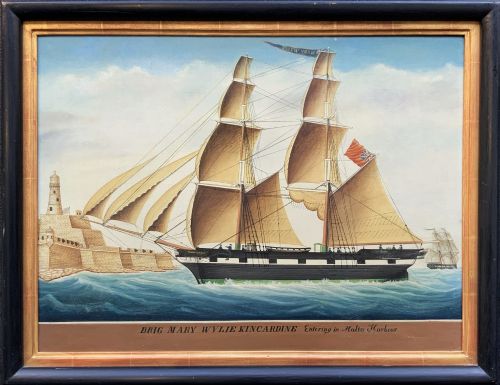
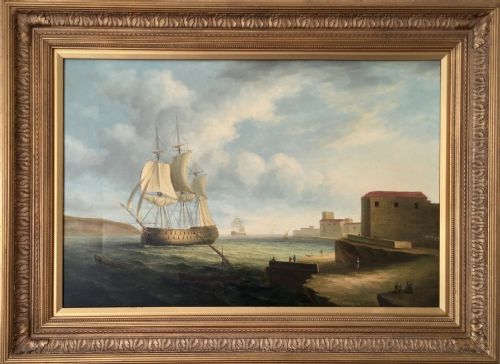
Compositions vary from direct bust-length depictions to narrative canvases featuring historical clothing, armour, or symbolic objects like skulls and naval ships. The selection balances named sitters with evocative portrayals by anonymous schools.
Materials and construction methods
Artists built these works primarily using oil paint applied to woven canvas or wood panels, utilising the slow-drying medium to blend tones and achieve depth. Grounds were prepared on the support before the application of pigments mixed with drying oils.
Frames are constructed from wood and gilded wood, often finished with gold leaf to complement the warm tones of the aged oil paint. Panel supports are more common in earlier works, while canvas dominates the later periods.
Historic Oil Portrait Retail Price Guide 2026
Typical asking prices for historic oil portrait among the pieces listed under this phrase on Sellingantiques today, from the lower quarter to the upper quarter. They describe what is for sale here now, not the wider market.
Several sitters clutch unexpected items like pipes, skulls, or books, adding personal narrative to their formal poses.
Factors determining quality
Quality rests in the precision of the facial rendering, the handling of drapery and lace, and the psychological presence of the sitter. Master painters manage light and shadow with subtlety, creating convincing volume in flesh and fabric.
Sir William Beechey R A·Jeremiah Davison·Sir Godfrey Kneller·Mary Beale·Sir Joshua Reynolds·John Scougall·Edouard Pingret·Pietro Fachetti·Joseph Vivienne·Henri and Charles Beaubrun·Joseph Highmore·John Greenhill·William Millar·Frank Moss Bennett·Bartolomeo Schedoni
The Historic Oil Portrait Glossary
- Canvas
- A heavy woven fabric stretched across a wooden stretcher bar to serve as a painting support. It provides a flexible texture that interacts with the dried oil paint layers.
- Giltwood
- Wood carved and covered with a thin layer of gold leaf or gold paint. This material forms the ornate frames frequently paired with oil paintings.
- Panel
- A flat piece of wood used as a rigid support for painting before canvas became standard. Early portraits often utilise wooden boards.
- School
- A group of artists working in a particular region, period, or under a specific master's influence. Attributions often reference English or French schools.
- Oil Paint
- Pigment suspended in a drying oil such as linseed. This medium allows for rich colour saturation and smooth blending.
Historic Oil Portrait: Frequently Asked Questions
What is a historic oil portrait?
A historic oil portrait is a painted likeness of a person created centuries ago using oil-based pigments on canvas or wood.
These artworks record the appearances, clothing, and social standing of past generations through enduring artistic traditions.
How should I hang an old oil painting?
Hang your painting away from direct sunlight and fluctuating heat sources to protect the canvas and wood frame.
Ensure the wall fixings match the weight of the piece and the sturdy construction of the historic frame.
How can I tell the period of a portrait?
The clothing, hairstyles, and lace collars worn by the sitter provide primary clues to the date of creation.
Framing styles and the type of canvas or panel support also help narrow down the century.
Why do some portraits show unnamed sitters?
Many paintings lost their documentation over centuries of moving between collections and estates.
Anonymous portraits remain valued for their artistic merit and the window they provide into historical fashion and portraiture.