

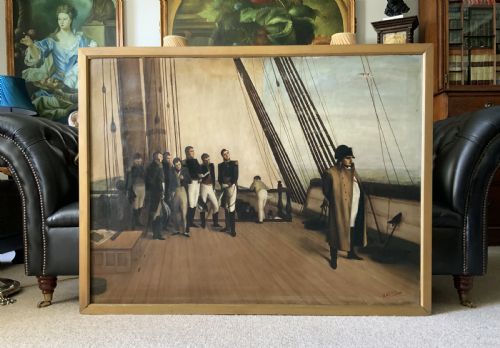


Historic Maritime Painting
A historic maritime painting captures the drama of sail and steam, offering a direct window into naval warfare, coastal trade and famous vessels.
Historic Maritime Painting
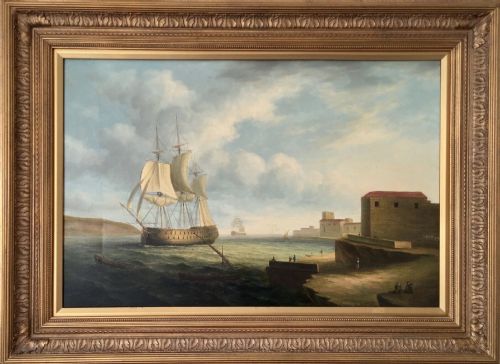
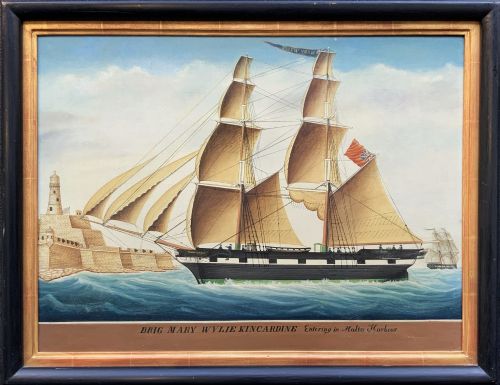
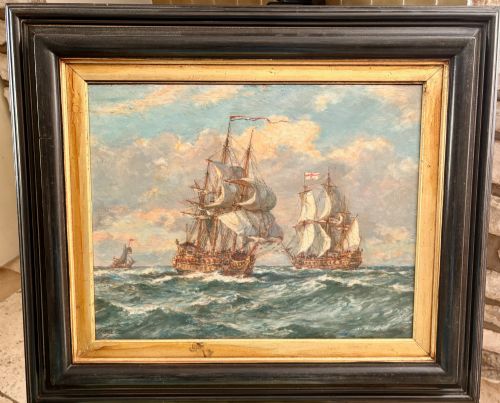
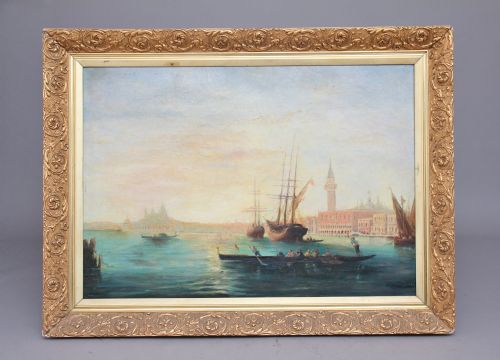
When you search for a historic maritime painting, you encounter works spanning the nineteenth century up to the mid twentieth century. These canvases and watercolours depict named warships, merchant brigs, lighthouses and bustling river scenes from London to Valletta.
The most common examples on this page are nineteenth century oil paintings on canvas or panel, alongside detailed watercolours of naval vessels and coastal landmarks. Subjects range from tranquil lagoon views to intense sea battles and historic ship portraits.
Materials and construction
Artists painted these maritime scenes using oil paint or watercolour applied to prepared canvas, wood panels, or heavy paper. Many pieces retain their original or period gold leaf frames, which complement the nautical subject matter.
The works rely on careful brushwork to capture water texture, rigging details and atmospheric light effects. Support materials like wood and canvas reflect the traditional methods of nineteenth and early twentieth century studios.
Historic Maritime Painting Retail Price Guide 2026
Typical asking prices for historic maritime painting among the pieces listed under this phrase on Sellingantiques today, from the lower quarter to the upper quarter. They describe what is for sale here now, not the wider market.
Listings feature works spanning the eighteenth, nineteenth and twentieth centuries, executed in oil and watercolour on wood, canvas and paper.
Assessing quality and execution
Quality in these works rests on the artist's command of maritime architecture, such as accurate rigging, hull proportions and water movement. Master hands achieve a convincing sense of atmosphere and historical precision that lesser decorative works lack.
Condition of the paint surface and the integrity of the support material also divide the range. Works with well preserved oil on canvas or stable panel grounds command stronger interest than heavily restored examples.
Bernard Gribble·Charles William Wyllie·Henry Barlow Carter·Joseph Heard·WF Mitchell·Edward Fletcher
The Historic Maritime Painting Glossary
- Brig
- A two masted, square rigged sailing vessel frequently featured in nineteenth century marine art. These agile ships played a major role in coastal and international trade.
- Panel
- A rigid wooden support used by artists instead of canvas. Painters often applied oils directly to prepared wood surfaces.
- Watercolour
- A painting method using water soluble pigments on paper. This medium allows for luminous washes ideal for coastal skies and calm seas.
- Gold leaf
- Thin beaten gold applied to decorative wooden frames. It enhances the visual weight and period character of framed artwork.
Historic Maritime Painting: Frequently Asked Questions
How do I date a maritime painting?
Examine the vessel types, rigging styles and clothing of any figures depicted within the scene. Clothing fashions and ship designs evolved rapidly from the Georgian era through the Edwardian period.
Signatures, dates inscribed by the artist, and framing materials also offer reliable clues to the exact decade of creation.
What is a ship portrait?
A ship portrait is a specialised painting commissioned to record a specific vessel with strict nautical accuracy. These works emphasise the technical details of the hull, masts and flags.
Owners and captains frequently ordered these portraits to celebrate successful voyages or memorialise a particular ship.
Are watercolours as durable as oils?
Watercolours require careful framing behind glass to protect the paper and pigments from moisture and direct sunlight. When kept away from harsh light, they remain stable for centuries.
Oil paintings on canvas offer greater resilience to environmental changes, though both media benefit from stable indoor humidity.
How should I display a framed painting?
Hang your artwork on an interior wall away from direct sunlight, heat sources and damp areas. Consistent room temperatures prevent the canvas or wood panel from warping over time.
Ensure the wall fixings match the weight of the piece, particularly for large works housed in heavy gold leaf frames.