





Historic Landscape
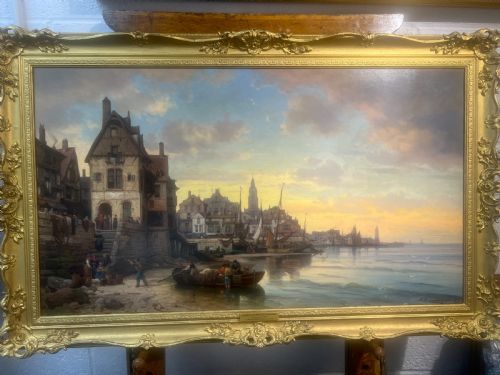
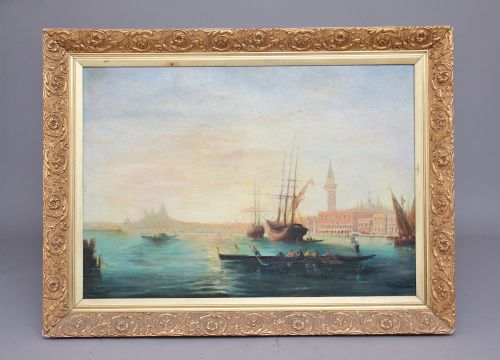
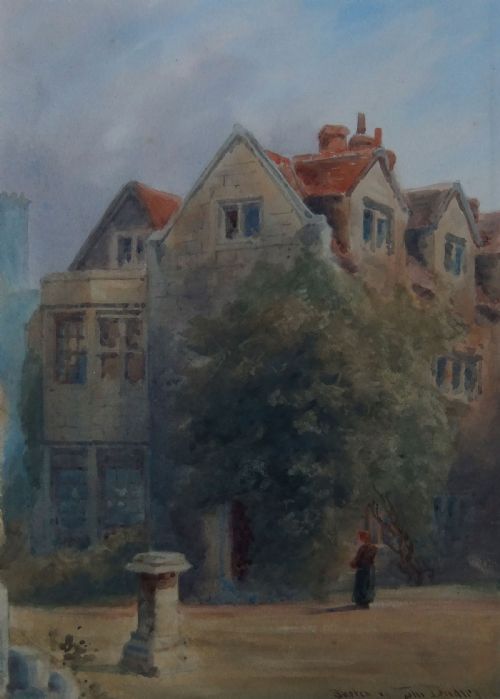
Historic landscape works capture the buildings, rivers and gardens of past eras through oil and watercolour.
Historic Landscape
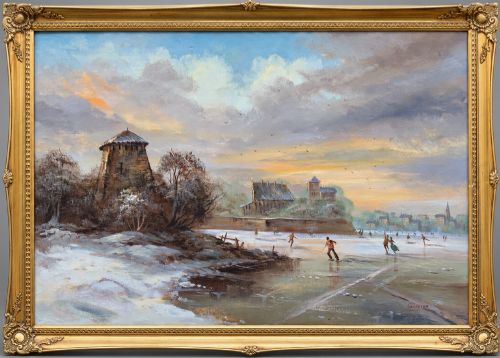
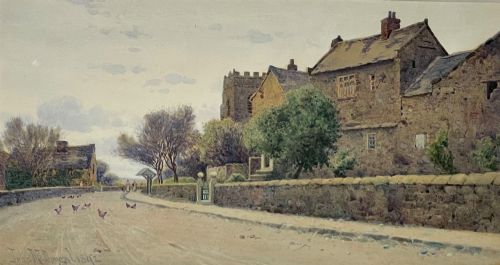
A historic landscape records specific places, towns and waterways from past centuries, offering a tangible window into how artists and society viewed their surroundings. When searching for this phrase, buyers encounter framed watercolours and oil paintings depicting castles, cityscapes and rural scenes.
The works span from the eighteenth century through the Edwardian period, encompassing Victorian topographical views and Dutch winter scenes. Most examples use traditional paper or canvas surfaces to preserve these detailed records of historic environments.
How they were made
The application ranges from the fluid washes of nineteenth-century watercolours to the rich textures of oil paint layered on canvas. Pigments capture natural light on rivers, stone facades and foliage with precise brushwork.
Historic Landscape Retail Price Guide 2026
Typical asking prices for historic landscape among the pieces listed under this phrase on Sellingantiques today, from the lower quarter to the upper quarter. They describe what is for sale here now, not the wider market.
The inventory records works from British, French, Dutch and Italian schools alongside tapestries and granite grindstones.
What varies in quality
The strength of a historic landscape lies in the precision of its draughtsmanship and the artist's ability to render light and atmosphere within a specific topographical setting. Finer examples display confident brushwork and accurate architectural proportions rather than generic foliage or buildings.
Condition plays a central role, distinguishing works with vibrant original pigments and stable paper or canvas from those degraded by excessive exposure to light or damp. The quality of the framing, particularly period wood and gilt wood surrounds, also contributes to the integrity of the piece.
John McDougal·David Roberts·Ernest Arthur Rowe·Charles William Wyllie·Frank Moss Bennett·Henry Barlow Carter·Rowland Henry Hill·Beatrice Parsons
The Historic Landscape Glossary
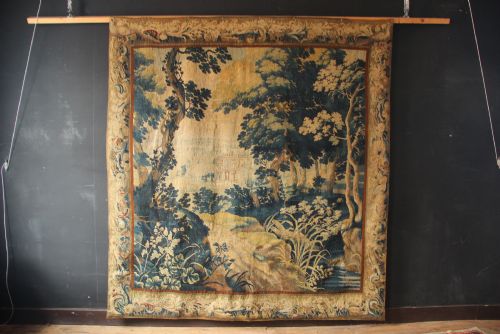
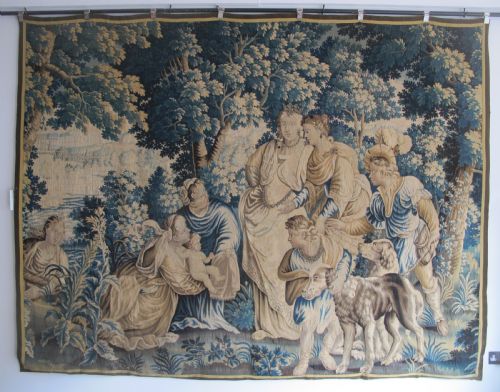
- Verdure tapestry
- A woven wall hanging featuring a stylized landscape filled with foliage, trees and sometimes animals. These textiles date back centuries and bring rich texture to interior spaces.
- Wash
- A thin, transparent layer of watercolour pigment diluted with water to create smooth areas of tone. Artists use this technique to build atmospheric skies and water in landscape paintings.
- Canvas
- A heavy woven fabric stretched across a wooden frame to serve as a firm support for oil paintings. It provides a durable surface that accepts multiple layers of pigment.
Historic Landscape: Frequently Asked Questions
What subjects appear in these historic landscapes?
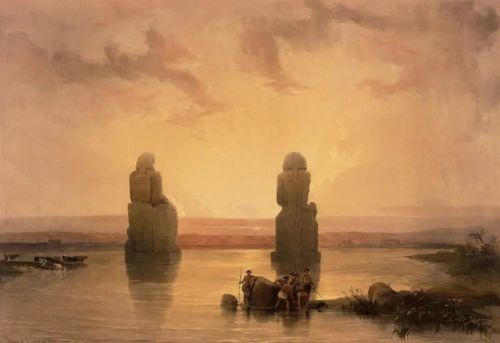
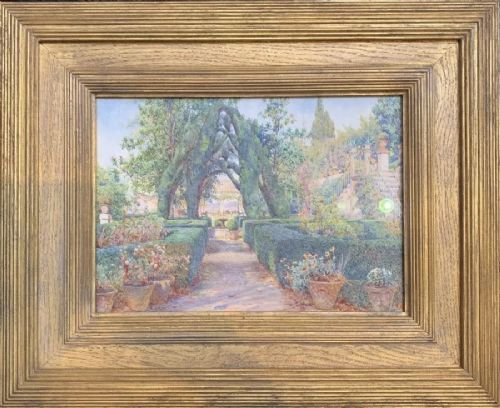
The selections depict recognizable castles, urban rivers, village streets and formal gardens from British and European locations. Artists recorded specific architecture, bridges and monuments as they appeared during their respective centuries.
Views range from London landmarks and Yorkshire market places to foreign canals and classical ruins. Each piece serves as a visual record of a place at a distinct point in time.
How do I date a historic landscape painting?
Dating relies on stylistic clues, artist signatures, costume details of any figures present, and the architectural state of the buildings shown. Reference records for active painters provide secure brackets for creation.
Materials such as older handmade paper types or canvas preparations also offer chronological markers. Framing styles contemporary to the artwork further assist in confirming the period.
Where were these paintings displayed originally?
These works hung primarily in the reception rooms, libraries and parlours of country houses and urban residences. Wealthy patrons commissioned topographical views of their estates or collected scenes from their travels.
Public exhibitions and societies also provided venues for artists to present their regional views to collectors. Today, they transition easily into domestic interiors as focal points above mantelpieces or along hallways.
How should I care for a paper watercolour?
Watercolours on paper require protection from direct sunlight to prevent the fading of delicate pigments. Framing behind conservation glass filters ultraviolet light and stops atmospheric moisture from reaching the surface.
Keeping the works in rooms with stable temperature and humidity prevents the paper from warping or developing foxing spots. Regular dusting of the exterior frame preserves the overall presentation.