





Historic Landscape Picture
A historic landscape picture captures a vanished world on canvas or paper, offering an immediate window into past centuries for your wall.
Historic Landscape Picture
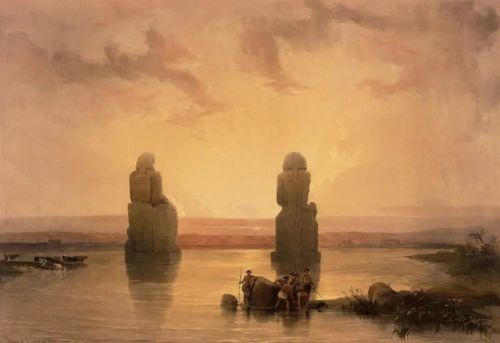
A historic landscape picture records scenery, architecture, and daily life from centuries past across various British and European settings. These works encompass both expansive vistas and intimate river scenes, capturing historical monuments, castles, and rural pastimes.
The selections available range from 18th Century portraits and rural views to Victorian maritime scenes and 20th Century urban watercolours. Buyers frequently encounter framed oil paintings on canvas alongside detailed watercolour paintings on paper.
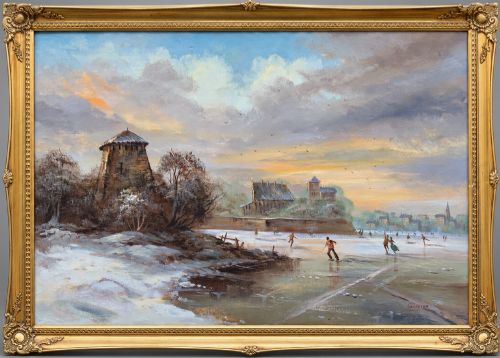
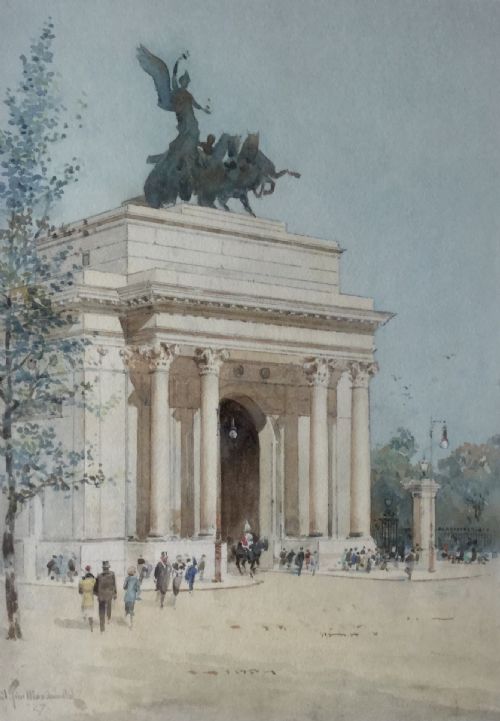
Originating from periods such as the Georgian and Victorian eras, these pieces reflect the distinct topographical and artistic interests of their respective centuries. Works span from Dutch winter scenes featuring ice skaters to detailed depictions of London landmarks.
Materials and techniques
Painters utilised oil on canvas or delicate watercolours on paper, often incorporating ink for precise architectural and landscape details. Canvas supports provide durable texture for oil works, while paper serves as the traditional medium for fluid watercolours.
Frames frequently employ gilt wood and gold leaf to accent the artwork, completing the presentation of the picture. Pigments applied by hand capture natural light, shadow, and atmospheric conditions specific to each period style.
Historic Landscape Picture Retail Price Guide 2026
Typical asking prices for historic landscape picture among the pieces listed under this phrase on Sellingantiques today, from the lower quarter to the upper quarter. They describe what is for sale here now, not the wider market.
Listings feature works spanning from the 18th Century through the 1960s, executed in oil and watercolour on canvas and paper.
Assessing quality and execution
Quality rests upon the artist's ability to handle perspective, light, and atmospheric depth within the chosen medium of oil or watercolour. Superior works demonstrate confident brushwork and precise topographical rendering that bring the historic scene to life.
The condition of the canvas or paper surface, alongside the preservation of original pigments and gilt wood frames, influences the overall integrity of the piece. Works bearing clear signatures and documented provenance from established artists command higher regard.
David Roberts·Charles William Wyllie·Percy Robertson·Frank Moss Bennett·David Small·Robert Anderson·Peter de Wint
The Historic Landscape Picture Glossary
- Oil on Canvas
- Pigments bound in a drying oil applied to a stretched fabric surface. This technique allows for rich colour blending and textured brushwork.
- Watercolour
- A paint consisting of transparent pigments suspended in a water-based solution applied to paper. It produces luminous washes that capture light effectively.
- Gilt Wood
- Timber treated with a thin layer of gold leaf or gilt finish. Frames utilise this method to enhance the visual weight of the picture.
- Dutch School
- A style of painting originating from the Netherlands noted for atmospheric realism and landscape focus. These works often depict winter scenes or maritime subjects.
Historic Landscape Picture: Frequently Asked Questions
How do I date a historic landscape picture?
Examine the signature, framing style, and the depicted clothing or architecture for clues regarding the period of creation. Material analysis of the canvas or paper also helps establish the era.
Compare the artistic style with known works from periods such as the Georgian or Victorian eras to narrow down the decade.
What is the difference between oil and watercolour?
Oil paintings utilise pigment mixed with oil on stretched canvas, offering heavy texture and deep colour saturation. Watercolours employ water-soluble pigments on paper, yielding a more translucent finish.
Oils generally require sturdy frames without glass protection, whereas watercolours need glazing to protect the paper surface from moisture.
How should I hang these pictures at home?
Position paintings away from direct sunlight and excessive humidity to preserve the integrity of the canvas, paper, and gilt frames. Stable indoor temperatures prevent warping in the wooden supports.
Use appropriate wall anchors matched to the weight of the framed artwork to ensure secure placement.
What subjects are common in these paintings?
Common subjects include British rivers, historic castles, urban London landmarks, and continental scenes from Italy and Spain. Rural village life and maritime activities also appear frequently.
Artists often documented specific historical sites, offering a record of landscapes before modern industrial development.