



Historic Glass
Historic glass encompasses centuries of fragile survival, from eighteenth-century drinking vessels to heavy nineteenth-century lenses.
Historic Glass
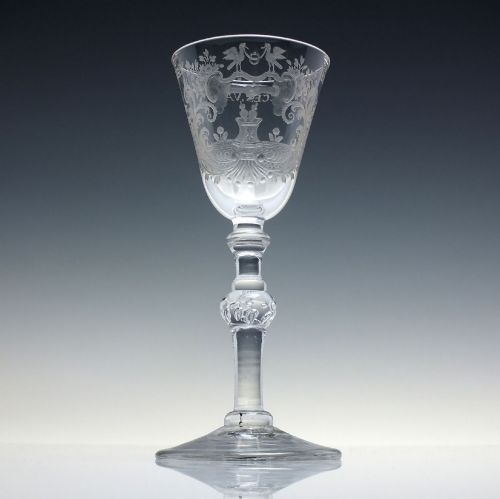
When you search for historic glass, you are looking at items that span several centuries, including seventeenth-century Bohemian goblets and eighteenth-century English wine glasses. These objects survive in forms such as hand-blown beakers, trumpet-bowl wine glasses, and scent bottles.
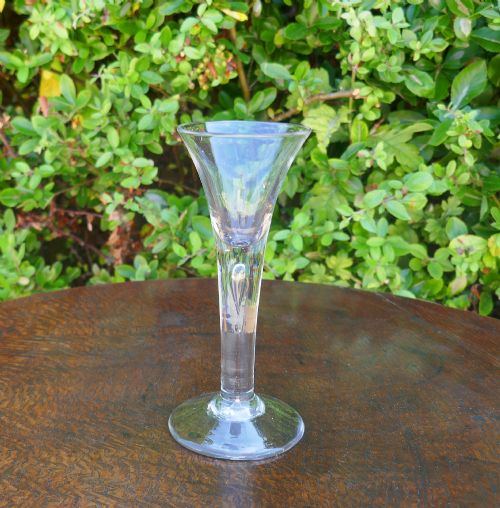
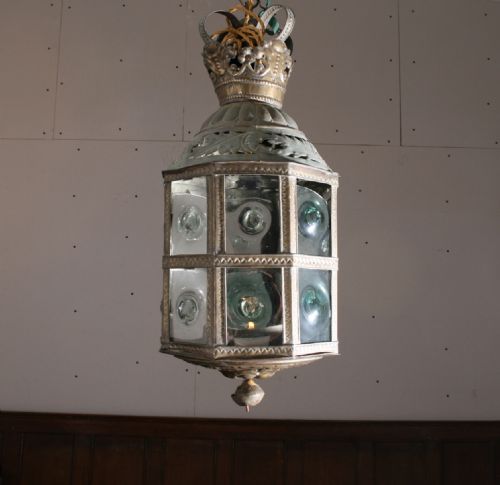
The versions you are most likely to meet on this page lean heavily towards eighteenth-century drinking vessels and nineteenth-century lanterns fitted with bulls eye glass. Pieces range from delicate marriage wine goblets with air bubbles in the stem to heavy architectural lighting.
How historic glass was made
Makers shaped these items using hand-blowing techniques, which leave characteristic surface irregularities and internal bubbles within the metal. Flint glass and clear glass provide the primary medium for drinking vessels and scent bottles.
Engraving and cutting decorate the surface of eighteenth-century goblets and beakers, while lanterns incorporate thick, distorted bulls eye glass panes set into metal frames.
Historic Glass Retail Price Guide 2026
Typical asking prices for historic glass among the pieces listed under this phrase on Sellingantiques today, from the lower quarter to the upper quarter. They describe what is for sale here now, not the wider market.
Early glassmakers occasionally trapped a single flying insect inside a cooling gather, creating an accidental prehistoric exhibit.
What varies in quality
Quality rests in the purity of the metal and the precision of the engraving, distinguishing standard utility vessels from exhibition-grade marriage goblets. Crisp wheel-engraving and well-formed stems separate superior pieces from simpler utilitarian items.
The skill of the glassblower dictates the balance of the vessel, visible in the distribution of weight through the foot and stem. Older pieces show the subtle hand of the artisan through slight asymmetry and natural inclusions.
The Historic Glass Glossary
- Flint glass
- A heavy, brilliant type of glass containing lead oxide. It was developed in England to increase refractive index and weight.
- Air bubble
- A trapped pocket of air deliberately or accidentally formed within the stem of a glass. Collectors prize these inclusions for their visual charm.
- Bulls eye glass
- A circular pane of glass with a prominent lump in the centre, formed during traditional glassblowing. It appears frequently in older lanterns.
- Baluster
- A sturdy, shaped stem found on drinking vessels. This form provides a weighty grip and echoes architectural supports.
Historic Glass: Frequently Asked Questions
Can I use antique wine glasses?
Most buyers prefer to display eighteenth-century glassware rather than use it for dining. The thin rims and delicate stems are susceptible to modern dishwashers and heavy knocks.
If you do use them, wash them by hand immediately after use. Keep them stored safely in cabinets away from direct sunlight.
What is an air bubble stem?
An air bubble stem contains a sealed pocket of air trapped inside the glass during manufacture. Glassmakers in the eighteenth century utilised this technique to add visual interest.
These bubbles do not weaken the structure of the stem. Instead, they serve as a marker of hand-blown authenticity.
How do I identify seventeenth century glass?
Seventeenth-century glass often displays a darker tone and thicker walls due to contemporary melting formulas. Pieces like Bohemian goblets frequently feature intricate wheel-engraving.
Examine the pontil mark on the base for signs of rough detachment. These early pieces show distinct signs of manual labour compared to later factory output.