



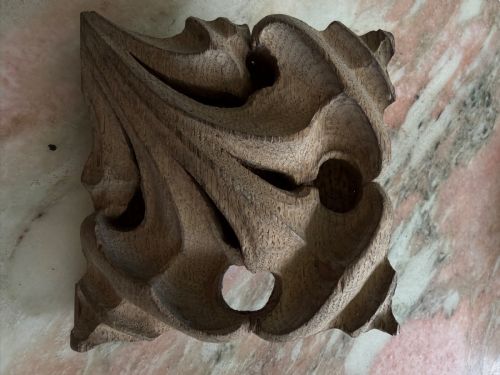


Historic Carved Panels
Historic carved panels bring centuries of architectural craftsmanship into modern interiors through authentic timber reliefs, coffers, and architectural salvage.
Historic Carved Panels
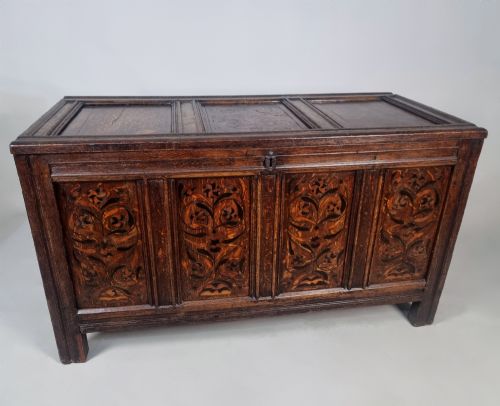
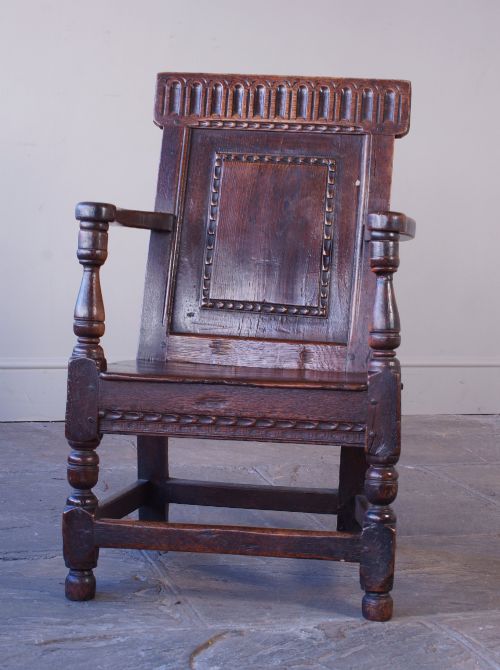
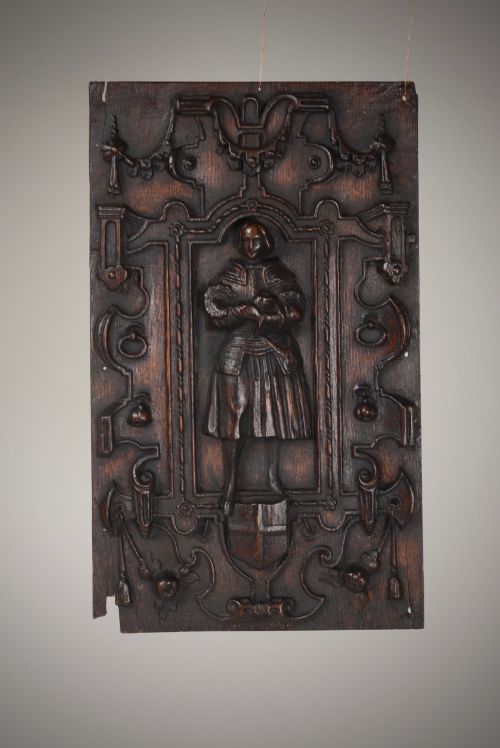
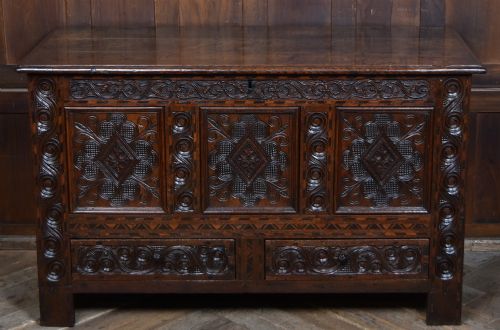
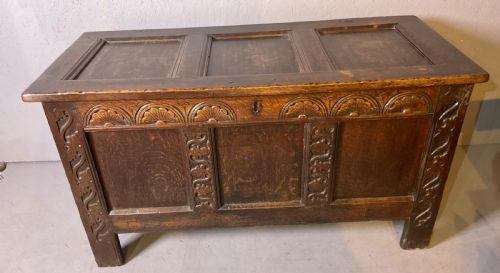
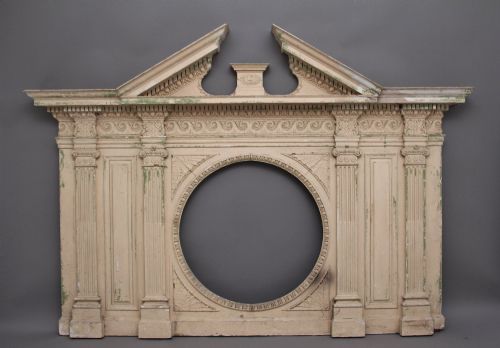
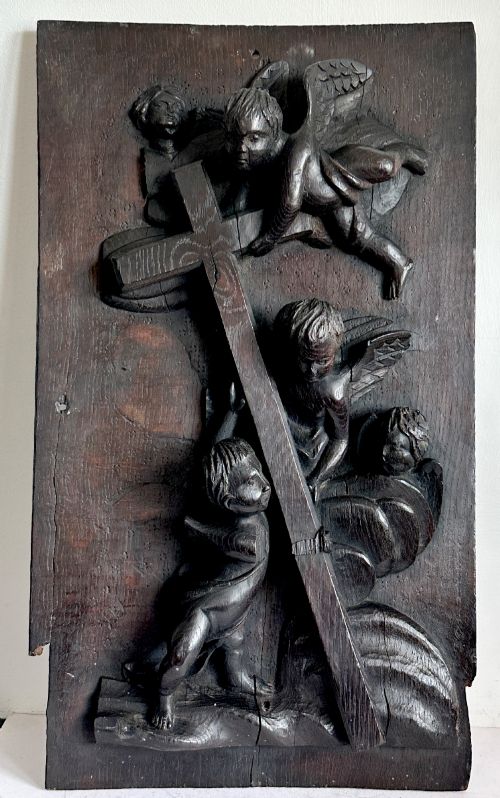
Historic carved panels encompass architectural salvage, wall reliefs, and fragments taken from larger pieces of period furniture. Buyers searching this phrase will most frequently encounter seventeenth-century oak panels alongside sixteenth-century and eighteenth-century examples.
The selection ranges from standalone wall panels and ceiling bosses to elements integrated into coffers, armchairs, and court cupboards. Oak serves as the primary timber, occasionally accompanied by fruitwood, pine, and textile elements such as leathermaché.
Stylistic influences span medieval Gothic, Jacobean, Elizabethan, and Baroque traditions. Pieces often display figural carvings, heraldic motifs, and intricate geometric patterns rooted in British and continental workshops.
Materials and Technique
Makers utilised solid timbers, predominantly oak and fruitwood, shaping them with hand tools to create deep relief carvings. Joinery techniques such as mortise and tenon secured structural elements, while panels were allowed to float within frames to accommodate seasonal wood movement.
Surface treatments varied from bare waxed timber to applied paint and wood inlay. Assemblaxes incorporated iron and brass fixings alongside textile components, reflecting the diverse applications of carved woodwork in domestic and architectural contexts.
Historic Carved Panels Retail Price Guide 2026
Typical asking prices for historic carved panels among the pieces listed under this phrase on Sellingantiques today, from the lower quarter to the upper quarter. They describe what is for sale here now, not the wider market.
Listings feature timbers including oak, fruitwood, and pine, spanning periods from pre-sixteenth century to the Victorian era.
Judging Quality
Quality rests on the crispness of the chisel work and the depth of the relief carving. Panels featuring well-defined figures, such as caryatids or portrait plaques, display a higher level of sculptural competence than repetitive geometric patterns.
The integrity of the timber and the preservation of original surface finishes distinguish superior examples. Pieces retaining early paint, distinct tool marks, or untouched patination offer greater historical coherence than heavily restored surfaces.
The Historic Carved Panels Glossary
- Wainscot
- A type of fine panelled oak construction used for interior walls and substantial furniture such as armchairs and coffers. This method provided both insulation and decorative enrichment in early homes.
- Caryatid
- A sculpted female figure serving as an architectural support or decorative pillar. These carved figures frequently appear on seventeenth-century furniture and architectural woodwork.
- Coffer
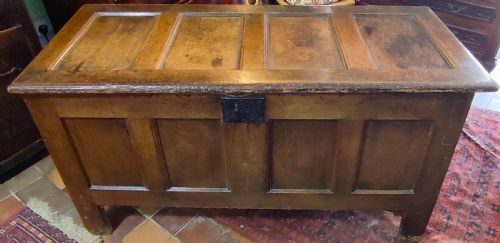
- A large wooden chest used for storage, constructed with heavy panels and often enriched with carvings. Coffers formed a central part of domestic storage before fitted wardrobes became common.
- Apotropaic mark
- A symbolic scratch or scorch mark carved into timber to ward off evil spirits and witches. These marks provide tangible evidence of period beliefs.
- Ceiling boss
- A decorative projection positioned at the intersection of ceiling ribs or beams. Examples are frequently carved with foliage or heraldic designs.
Historic Carved Panels: Frequently Asked Questions
How do I hang a heavy wooden panel?
Heavy timber panels require secure fixings anchored directly into wall studs or masonry rather than plasterboard alone. Custom metal brackets or French cleats support the weight evenly without damaging the antique structure.
Position panels at eye level away from direct heat sources and sunlight to prevent the timber from drying out and splitting over time.
Are these panels from original walls?
Many panels originate as architectural salvage from historic buildings, church interiors, or dismantled panelling schemes. Others formed integral parts of large furniture such as court cupboards and coffers.
Examining the reverse side reveals peg holes, rebate lines, and tool marks that indicate how the piece was originally housed within a structure.
How do I clean historic carved wood?
Dust carved surfaces gently with a soft, dry brush to lift debris from deep recesses without abrading the timber. Avoid liquid cleaners and modern polishes that can soften old wax and trap moisture in the grain.
Applying a microcrystalline wax periodically helps protect the surface while preserving the natural patination built up over centuries.
What period do most carved panels belong to?
The majority of pieces date from the sixteenth, seventeenth, and eighteenth centuries, reflecting the high point of carved oak furniture and architectural woodwork. Styles range from Tudor and Elizabethan to Jacobean and Georgian.
Construction methods, timber shrinkage, and tool marks help differentiate these earlier periods from later revival pieces.