



Historic Carved Chairs
Historic carved chairs carry the weight of centuries, offering robust timber construction and intricate ornamentation that anchor a room.
Historic Carved Chairs
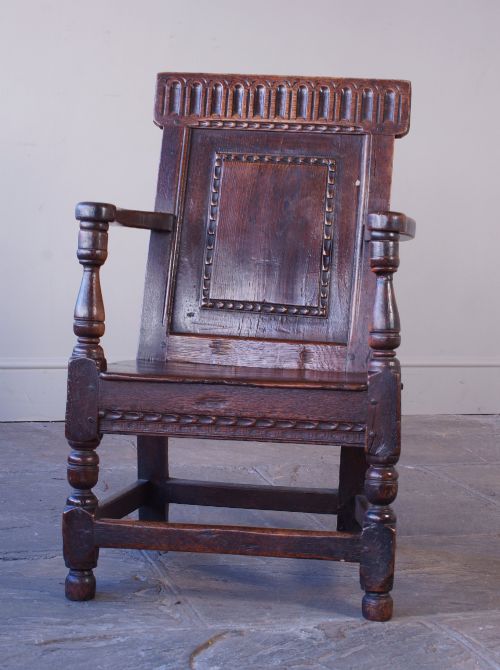
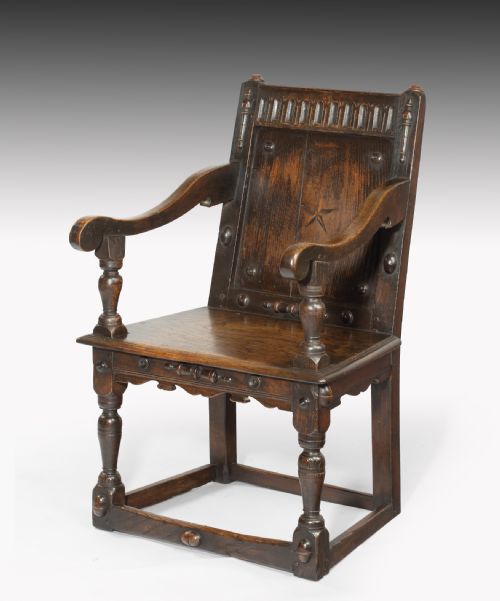
When you search for historic carved chairs, you encounter seating built from solid timber across several centuries, spanning the seventeenth and nineteenth centuries. These pieces encompass both armchairs and side chairs designed for formal and domestic spaces.
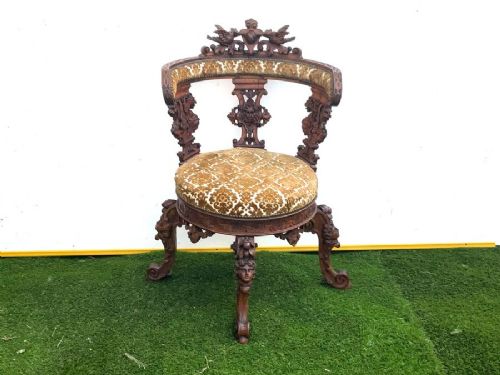
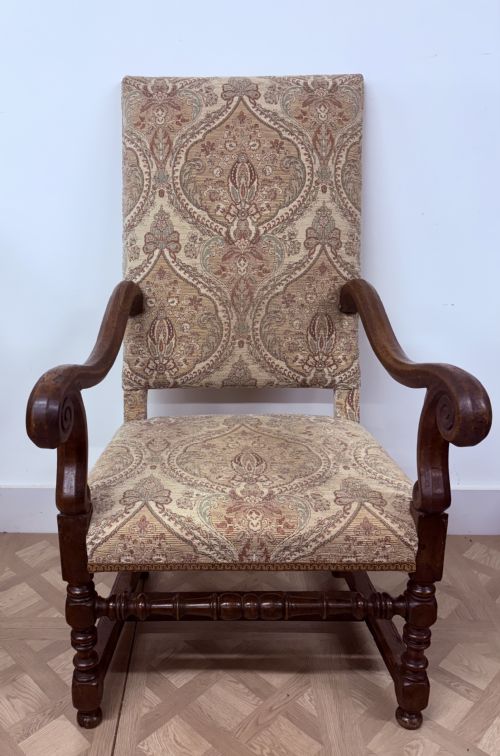
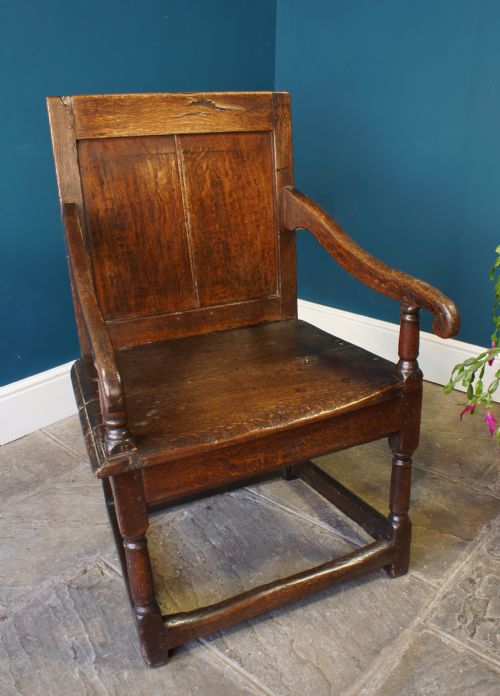
The most common examples on this page are sturdy oak wainscot chairs and walnut armchairs reflecting seventeenth-century methods, alongside nineteenth-century revivals inspired by Renaissance and baroque styles. Makers employed heavy timbers to create imposing silhouettes suited to galleries and halls.
Regional variations appear frequently, ranging from English oak forms to French walnut and Austro-Hungarian X-frame structures. Each piece demonstrates the heavy carving traditions characteristic of its period of origin.
How they were made
Carpenters constructed these chairs primarily from solid oak and walnut using traditional joinery techniques such as mortise and tenon. Craftsmen shaped the heavy wood with hand tools, applying deep relief carving to backsplats, crest rails and stiles.
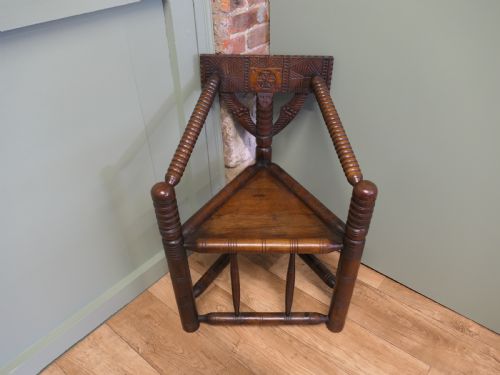
Upholstery materials including velvet, damask, tapestry and textile fabrics were secured to frames using brass or iron tacks where padding was required. Turner's chairs utilised turned wooden spindles assembled into cylindrical frameworks.
Historic Carved Chairs Retail Price Guide 2026
Typical asking prices for historic carved chairs among the pieces listed under this phrase on Sellingantiques today, from the lower quarter to the upper quarter. They describe what is for sale here now, not the wider market.
Turned chairs are occasionally called sausage chairs because their intersecting spindles resemble linked provisions.
What varies in quality
Quality depends upon the crispness and depth of the timber carving, where sharp relief indicates skilled execution by the original hand. Heavy oak and walnut frames retain their structural integrity better over centuries when joinery remains tight.
The selection of timber grain and the survival of period upholstery fabrics or complementary textiles influence the overall character of the piece. Proportion and balance between the carved backrest and the turned or straight supports distinguish superior examples.
White, Allom and Co
The Historic Carved Chairs Glossary
- Wainscot armchair
- A heavy wooden chair with a solid panel back, typically constructed from oak during the seventeenth century.
- Turner's chair
- A form of seating assembled entirely from turned wooden spindles and cylindrical components.
- Curule chair
- An X-frame folding seat design originating in classical antiquity and revived during nineteenth-century historicism.
- Damask
- A reversible figured fabric woven on a jacquard loom, frequently utilised for historic upholstery.
- Stile
- A vertical upright piece forming part of the structural frame of a chair back.
Historic Carved Chairs: Frequently Asked Questions
How do I care for antique carved timber?
Keep wooden surfaces away from direct heat sources and sudden humidity changes to prevent the timber from splitting or warping over time. Apply a microcrystalline wax periodically to nourish the grain without building up heavy residues.
Avoid using modern liquid polishes or silicone sprays, which can penetrate open pores in oak and walnut and damage the historic finish.
Were these chairs used at dining tables?
Most early examples were designed as seats of authority for the head of a household or for formal hall use rather than around a dining table. Side chairs and smaller armchairs were positioned against walls until needed for specific gatherings.
Dining suites as matched sets emerged much later, meaning early chairs functioned as individual statements of status.
How can I tell a seventeenth-century chair from a nineteenth-century revival?
Examine the tool marks and the method of timber preparation, as seventeenth-century makers relied on pit-saws and hand chisels that leave irregular surfaces. Nineteenth-century revival pieces often display machine-sawn uniformity and standardised joinery.
Wear patterns on footings and touch points also provide clues regarding the actual age and handling of the timber.
What is an X-frame chair?
An X-frame chair utilises crossed curved or straight members that form a support structure beneath the seat, reminiscent of ancient Roman seats of office. Renaissance revival makers adopted this geometry to convey classical authority and architectural weight.
These chairs often fold or disassemble, though many surviving examples remain fixed in their rigid open position.