








Historic British Landscape
Historic british landscape works capture the changing scenery of past centuries in oil paint and watercolour.
Historic British Landscape
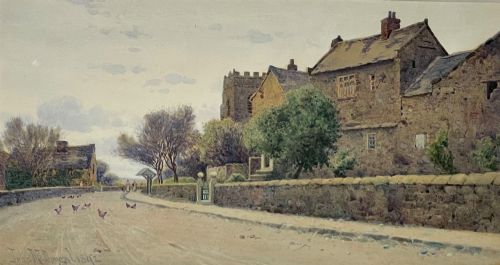
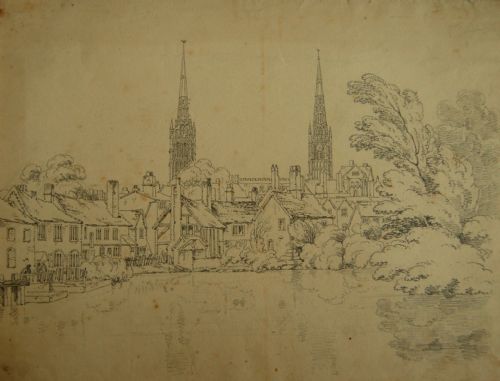
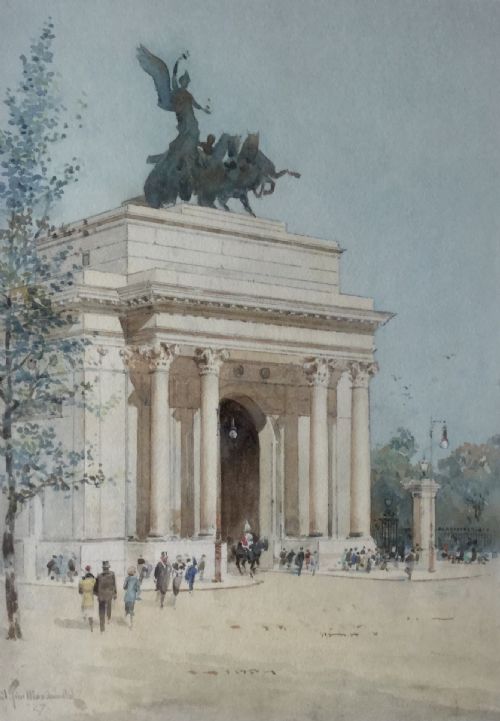
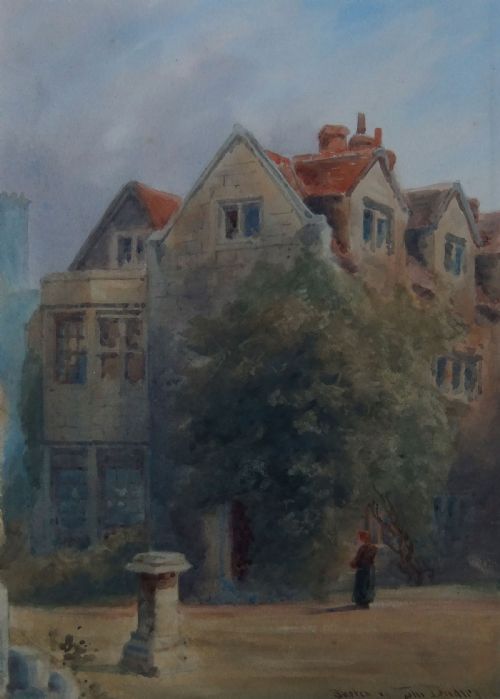
A historic british landscape records recognisable landmarks, country rivers, and historic buildings across the British Isles from earlier centuries. These works document cityscapes, rural villages, and architectural landmarks as they appeared to artists working in the nineteenth and early twentieth centuries.
The selection here comprises framed oil paintings on canvas and delicate works on paper executed in watercolour paint. Subjects range from London rivers and Yorkshire market towns to historic abbeys and rural cottages.
Buyers frequently encounter nineteenth century watercolours and oils from the Edwardian and Victorian periods. These pieces reflect distinct regional British views created by named painters and period schools.
How they were made
Artists applied oil paint to stretched canvas or watercolour paint to paper using traditional brushes and pigments. Many works retain their original period framing finished with gold leaf accents around wood mouldings.
Watercolour paintings rely on washes of pigment on paper to capture atmospheric light in coastal towns and inland rivers. Oil paintings build rich textures across canvas surfaces to depict historic castles, London streets, and country scenes.
Historic British Landscape Retail Price Guide 2026
Typical asking prices for historic british landscape among the pieces listed under this phrase on Sellingantiques today, from the lower quarter to the upper quarter. They describe what is for sale here now, not the wider market.
The collection spans paintings executed on canvas, paper, and wood panels across multiple British art periods.
What varies in quality
The condition of the paper surface or canvas support influences the overall appeal of a piece. Works maintained within their period frames retain greater historical integrity than those altered over time.
John McDougal·Charles William Wyllie·John Sanderson Wells·Percy Robertson·Frank Moss Bennett·Rowland Henry Hill·Henry Barlow Carter·David Small·Fred Stead·Noel Harry Leaver·William Greaves·Beatrice Parsons·Tom Dudley·Henry Edridge·John Thirtle·Peter de Wint
The Historic British Landscape Glossary
- Watercolour
- A painting method where fine pigment is suspended in water-soluble binders and applied to paper. This medium allows for transparent washes and delicate atmospheric effects.
- Oil painting
- The process of painting with pigments that are bound with a medium of drying oil. This technique produces rich colours and textured surfaces on canvas.
- Gold leaf
- Gold beaten into extremely thin sheets used for gilding picture frames and decorative objects. It provides a warm metallic border around historic artworks.
- Provenance
- The chronological record of ownership tracing a piece from its creation to the present day. This documentation establishes the authenticity and history of an artwork.
Historic British Landscape: Frequently Asked Questions
What periods do these landscapes cover?
The works span from the eighteenth century through the Victorian and Edwardian eras into the early twentieth century.
Artists from these distinct periods recorded towns, rivers, and architecture using traditional painting techniques.
How should I care for a watercolour?
Watercolours require placement away from direct sunlight to prevent the pigments and paper from fading over time.
Framing under protective glass with acid-free mounts helps preserve the paper support.
Are these paintings signed by the artists?
Many pieces feature artist signatures or inscriptions detailing the specific location depicted in the composition.
Documentation often links works to recognised British painters and regional schools.
What subjects appear most frequently?
Common subjects include London landmarks, Yorkshire villages, historic castles, and rural countryside rivers.
Artists focused on recording recognizable British architecture and local topography.