



Historic Architectural Salvage
Historic architectural salvage pieces are fragments of buildings carrying centuries of craft, offering character that modern materials cannot match.
Historic Architectural Salvage
Historic architectural salvage brings the physical fabric of older buildings into contemporary spaces, ranging from structural timbers to decorative elements. When you search for historic architectural salvage, you encounter items removed from structures spanning the medieval period through to the nineteenth century.
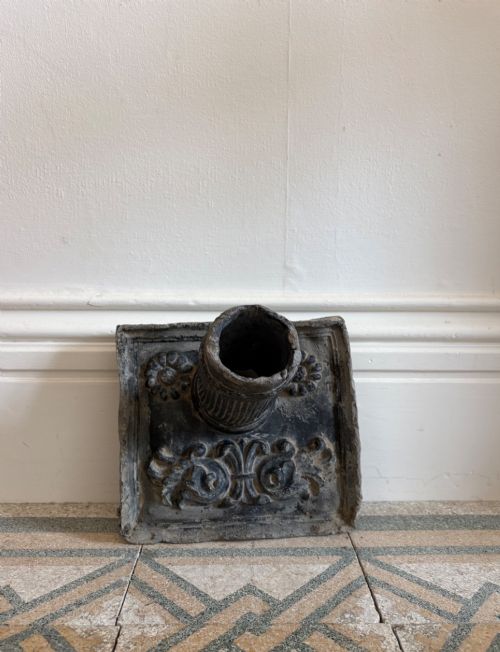
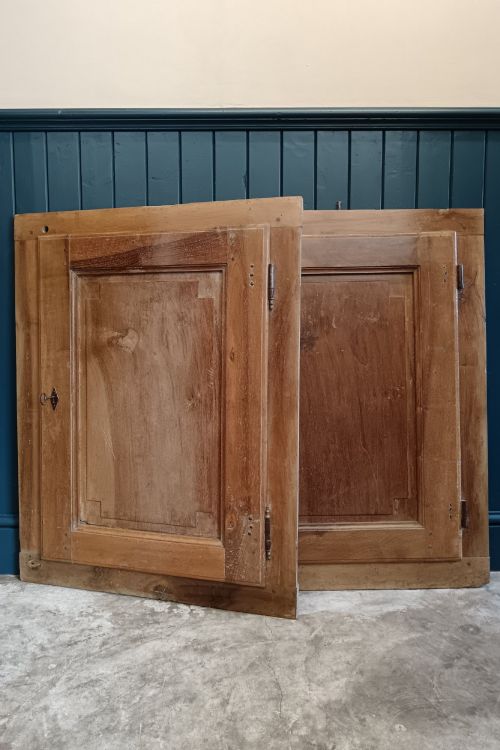
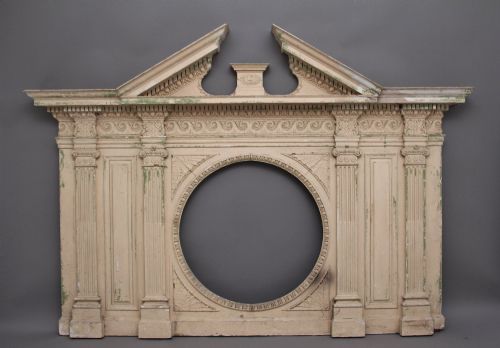
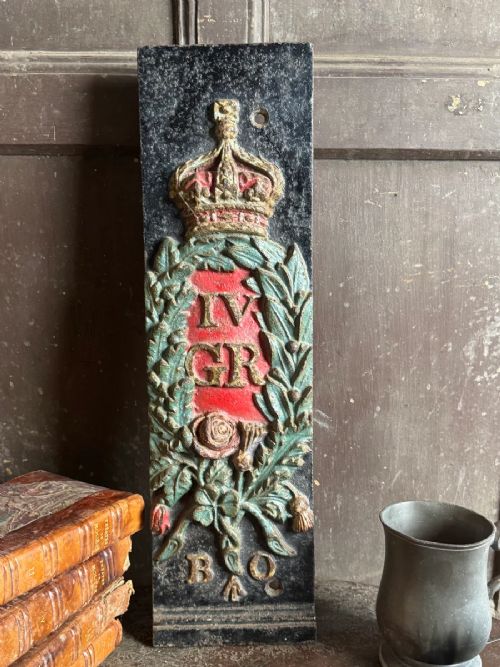
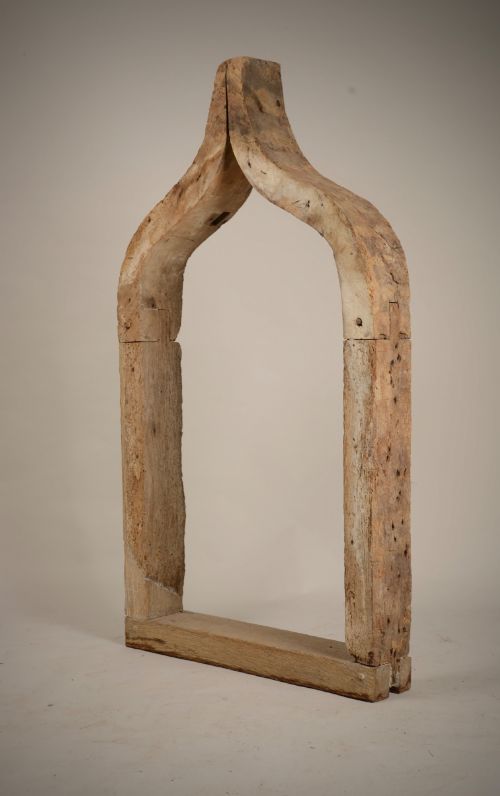
The selection includes substantial elements such as inglenook beams, overmantels, and entire door frames alongside smaller details like wall plaques and door locks. Oak, pine, and walnut dominate the wooden items, while iron, lead, and sandstone form the heavier structural and decorative pieces.
Pieces frequently display regional characteristics, including English, French, Italian, and Dutch origins. These remnants carry the marks of their original installation, whether through utilitarian wear or decorative carving.
Assessing quality in salvage
Depth of carving and clarity of detail separate standard structural fragments from exceptional decorative works. Items featuring intricate figurative carving, such as caryatids or putti, demonstrate superior artisan skill.
The integrity of the material dictates longevity and visual presence, with dense old-growth oak and well-preserved stone retaining sharper profiles. Original surface treatments, including historic paint layers or untouched patination, elevate a piece above stripped examples.
Historic Architectural Salvage Retail Price Guide 2026
Typical asking prices for historic architectural salvage among the pieces listed under this phrase on Sellingantiques today, from the lower quarter to the upper quarter. They describe what is for sale here now, not the wider market.
A seventeenth-century oak beam carries a vast collection of apotropaic taper burns designed to frighten off domestic spirits.
The Historic Architectural Salvage Glossary
- Apotropaic burn
- A ritual mark scorched into timber, typically using a hot iron, to ward off evil spirits and protect the hearth.
- Ceiling boss
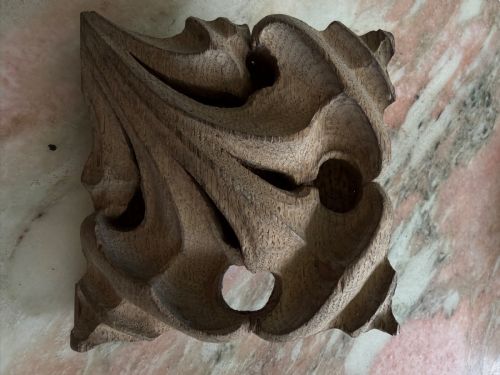
- A decorative projecting block of carved wood placed at the intersection of ceiling ribs or beams.
- Caryatid
- A sculpted female figure serving as an architectural support taking the place of a column or pier.
- Overmantel
- A decorative panel or framework situated directly above a fireplace mantel.
- Box lock
- A self-contained mechanical door lock enclosed in a metal housing, operated with a key.
Historic Architectural Salvage: Frequently Asked Questions
How do I date an architectural beam?
Dating relies on examining the tool marks left by broadaxes and adzes, alongside the framing methods used. Wood species and the structural context also provide clear chronological markers.
Changes in joinery style across the centuries help narrow down the period of manufacture.
Can I install salvaged door frames today?
Many salvaged frames require careful adaptation to fit standard modern wall openings. Professional joiners usually adjust the historic timber without compromising the visible antique surfaces.
Consider the depth of the rebate and the weight of the associated doors before planning installation.
What is an apotropaic burn?
Apotropaic marks are deliberate scorches made near vulnerable household openings like inglenooks and doorways. People in earlier centuries made these taper burns to protect their homes from fire and misfortune.
They appear as elongated black streaks in the timber grain.
How should I clean historic painted pine?
Historic painted surfaces require gentle dry brushing to remove surface dust without disturbing underlying layers. Avoid harsh chemical solvents or modern detergents that strip original pigment.
Consult a conservator if the paint layer shows signs of flaking or active instability.