




Hille Furniture
Hille furniture brings together striking modernist design and traditional cabinet-making, offering collectors durable statement pieces that define twentieth-century interiors.
Hille Furniture
When buyers search for hille furniture, they encounter a diverse range of seating, storage and dining suites spanning the Edwardian period through to the nineteen-thirties. The selection bridges historical revivals and forward-looking modernist aesthetics, reflecting changing domestic tastes across the early decades of the twentieth century.
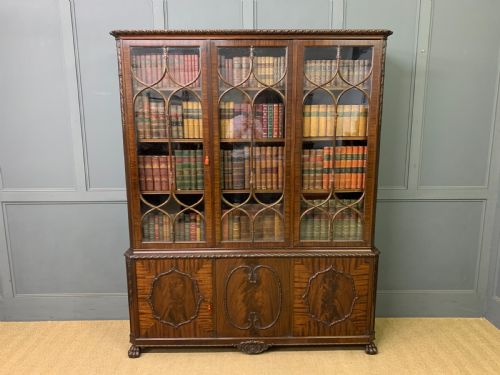
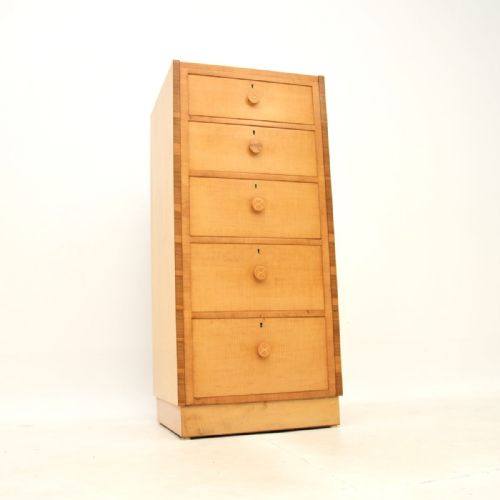
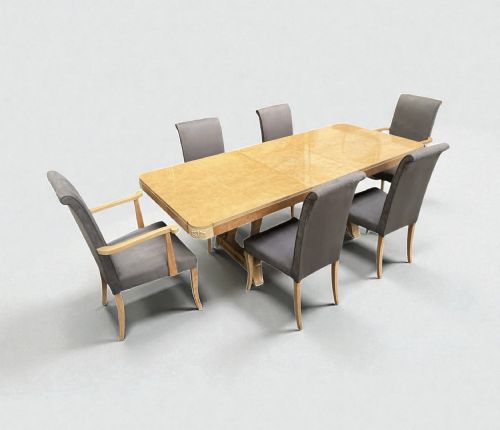
Bookcases and chests of drawers represent the traditional side of the maker's output, while cocktail cabinets and tiered tables demonstrate a shift towards specialised modernist living. Side chairs and dining suites appear frequently, showing the firm's capacity to furnish complete rooms with coordinated seating and tables.
Art Deco examples dominate the offering, capturing the sleek geometric lines and luxurious grain patterns characteristic of nineteen-thirty design. Alongside these, earlier Edwardian and nineteen-twenty pieces reveal a foundation in traditional craftsmanship before the full embrace of modernist forms.
Materials and construction
Cabinet pieces and dining suites rely on a foundation of timber, utilising rich veneers such as burr walnut and mahogany to create visually striking exterior surfaces. Sycamore and various veneered woods provide lighter contrasting tones, while leather upholstery adds durability and comfort to armchairs and side chairs.
Construction techniques combine sturdy internal framing with carefully selected surface veneers, occasionally incorporating glass elements in display or storage forms like cocktail cabinets. Stamped makers' marks frequently authenticate London origins, verifying the workshop output of the period.
Hille Furniture Retail Price Guide 2026
Typical asking prices for hille furniture among the pieces listed under this phrase on Sellingantiques today, from the lower quarter to the upper quarter. They describe what is for sale here now, not the wider market.
Listings feature items from the Edwardian period, nineteen-twenty, and nineteen-thirty, utilising timber, leather, burr walnut, glass, mahogany, sycamore, and veneer.
Judging the quality
The distinction between standard production and exceptional pieces rests upon the choice of surface timber and the boldness of the design, particularly within Art Deco cocktail cabinets and dining tables. Burr walnut veneers with complex, swirling grain patterns elevate a piece above simpler mahogany or standard timber constructions.
The integration of modernist lines with traditional joinery determines the success of individual chairs and tables, where balanced proportions and clean geometric arrangement separate ambitious designs from routine output.
Hille Furniture Company
The Hille Furniture Glossary
- Art Deco
- A design style characterised by sleek geometric shapes, streamlined forms and rich materials that gained prominence during the nineteen-twenties and nineteen-thirties.
- Burr Walnut
- A figured wood grain harvested from tree growths, highly prized for its swirling patterns and used extensively as a decorative veneer on luxury cabinetry.
- Veneer
- A thin layer of superior timber applied over a base wood foundation to provide an ornamental surface without the structural weight of solid hardwood.
- Cocktail Cabinet
- A specialised storage piece designed for entertaining, typically featuring fitted interior compartments for glassware, bottles and mixing surfaces.
- Nest of Tables
- A set of graduated tables designed to fit neatly beneath one another when not in use, offering flexible surface space in compact rooms.
Hille Furniture: Frequently Asked Questions
What periods do Hille pieces cover?
The available pieces span from the Edwardian era through the nineteen-twenties and nineteen-thirties. This timeline captures the transition from revivalist styles to modernist design.
Early pieces often lean into traditional cabinet-making, while later examples embrace the geometric aesthetics of the Art Deco movement.
How do I identify Hille furniture?
Many pieces feature original London stamps or distinct structural characteristics associated with the firm's workshops. Examining the interior construction and timber selection helps confirm authenticity.
Art Deco forms and modernist tiered tables provide strong visual indicators of the maker's twentieth-century output.
Where were Hille pieces used?
These items were designed for sophisticated domestic interiors, ranging from formal dining rooms to contemporary sitting rooms. Cocktail cabinets and dining suites served as functional social centerpieces.
Smaller items like nested tables and occasional chairs offered flexible utility throughout the home.
What timbers appear most often?
Mahogany, burr walnut and sycamore dominate the surfaces of these items, often applied as decorative veneers over solid timber frames. Leather also appears frequently on seating elements.
Glass integration occurs primarily in specialised storage forms like cocktail cabinets.