



Hexagonal Inlay Table
A hexagonal inlay table brings intricate geometry and rich surface detail into a room, offering a distinct alternative to standard round or rectangular occasional furniture.
Hexagonal Inlay Table
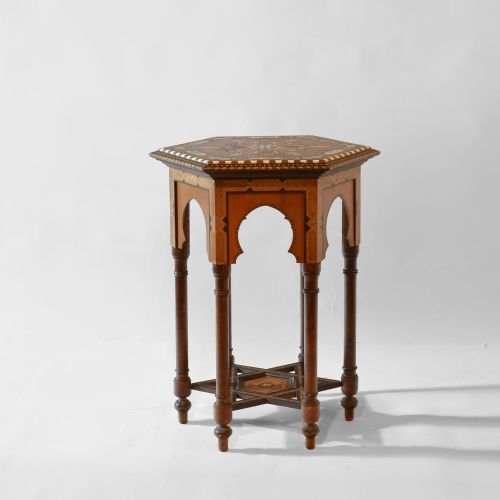
A hexagonal inlay table is a six-sided surface designed for occasional use, appearing across diverse regional traditions such as Moorish Revival, Syrian craftsmanship, and Ceylonese cabinet-making. These pieces function as side tables or compact centre tables, utilising their distinctive geometry to fit easily beside seating or in corners.
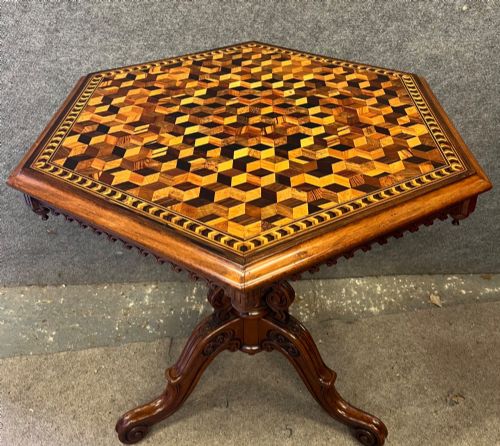
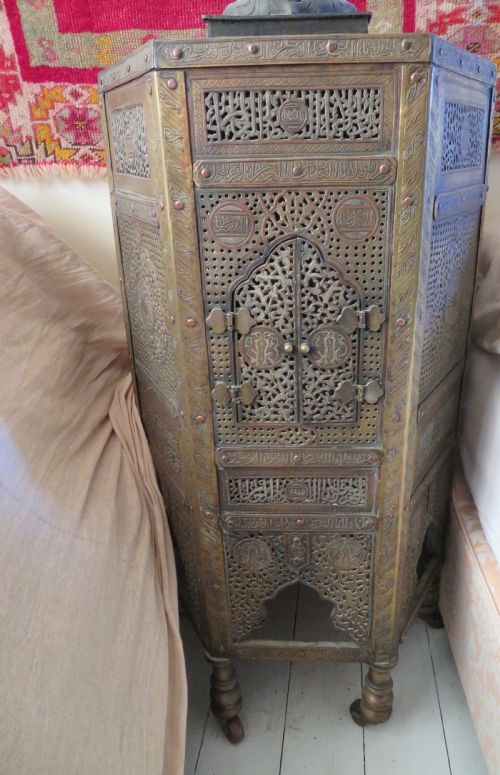
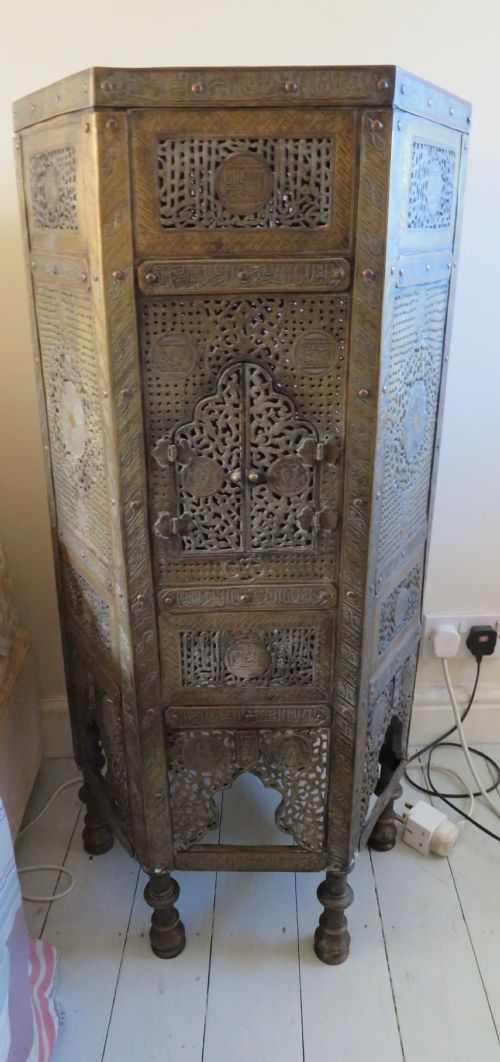
The versions most commonly met on this page span the nineteenth and early twentieth centuries, encompassing Ceylonese specimen wood pieces, Cairene brass and white-metal inlaid kursi, and walnut marquetry examples. Makers ranged from Liberty & Co in London to workshops in Damascus and Jamaica, creating works that bridge utility and ornamental art.
How they were made
Construction relies upon dense timbers such as walnut, ebony, and assorted specimen woods, providing a stable geometric carcass for decorative surface work. Joinery is paired with complex marquetry and parquetry, setting small pieces of wood into the main body.
Surface enrichment incorporates organic materials like mother-of-pearl and bone, alongside metals including brass, copper, and white metal. Artisans cut these inlays by hand to form repeating geometric lattices, floral motifs, and calligraphic patterns across the six-sided tops.
Hexagonal Inlay Table Retail Price Guide 2026
Typical asking prices for hexagonal inlay table among the pieces listed under this phrase on Sellingantiques today, from the lower quarter to the upper quarter. They describe what is for sale here now, not the wider market.
What varies in quality
Quality rests upon the precision of the geometric inlay work and the harmonious integration of contrasting materials like bone, pearl, and brass into the timber ground. Superior examples exhibit tight joints, crisp edges to the six-sided form, and minimal shrinkage in the delicate decorative elements.
The ambition of the design dictates the upper tier of the range, distinguishing simple occasional tables from masterworks featuring openwork metal frames or dense specimen wood mosaics. Depth of relief in carved woodwork and the intricacy of the metal inlay separate standard production from exceptional studio output.
Ralph Turnbull·Liberty & Co
The Hexagonal Inlay Table Glossary
- Kursi
- A low hexagonal table or stool originating from Egypt and the Levant, typically constructed with intricate metal inlay and openwork panels. These items formed a traditional element of Middle Eastern domestic interiors.
- Marquetry
- The art of applying small pieces of veneer to a structure to form decorative patterns, pictures, or designs. This technique utilises the natural grain and colour variations of different timbers.
- Mamluk Revival
- A nineteenth-century design movement inspired by the arts of the Mamluk Sultanate, particularly notable for complex geometric metalwork and intricate woodwork. Pieces in this style often incorporate brass and copper details.
- Specimen wood
- Furniture constructed from a variety of native and exotic timbers, arranged to showcase natural colour contrasts without relying on applied stain. This style was frequently produced in colonial workshops.
- Parquetry
- Geometric mosaic woodwork used to cover floors or furniture surfaces, creating repeating patterns such as cubes or triangles. It differs from marquetry by strictly employing geometric tile arrangements.
Hexagonal Inlay Table: Frequently Asked Questions
Where should I place a hexagonal inlay table?
These tables suit small spaces, narrow halls, or corners where standard rectangular furniture might block movement. Their six-sided shape allows them to sit comfortably beside armchairs or sofas.
Because the decoration covers the top and often the sides, position the piece where adequate lighting can catch the mother-of-pearl, bone, or metal inlay.
How do I care for inlaid wooden surfaces?
Maintain the timber and delicate inlays by dusting regularly with a soft, dry cloth. Avoid placing these pieces in direct sunlight or near heat sources, which causes wood to shrink and loosens organic inlays.
Apply a microcrystalline wax sparingly if the timber appears dry, taking care to avoid trapping wax in the recesses of the metalwork or carved joints.
What defines Moorish style furniture?
Moorish style furniture draws upon Islamic architecture and decorative traditions, featuring intricate geometric lattices, star patterns, and dense surface ornamentation. These pieces often combine multiple contrasting materials like walnut, bone, and mother-of-pearl.
Originating from North Africa and the Near East, this aesthetic gained widespread popularity in Britain and Europe during the nineteenth century revival periods.
Are these tables sturdy enough for daily use?
Most examples function well as occasional tables for holding lamps, books, or small decorative objects. Their solid timber construction provides a stable foundation for everyday domestic requirements.
However, the delicate nature of raised metalwork and small bone or pearl inlays means heavy or wet items should be used with caution to protect the decorative surface.