




Heritage Artwork
These heritage artwork pieces capture centuries of portraiture and landscape, offering tactile connections to historical figures and places through traditional media.
Heritage Artwork
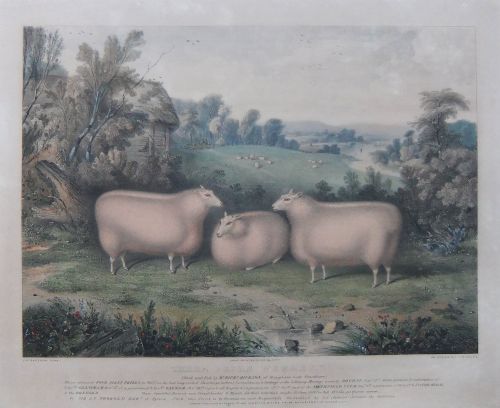
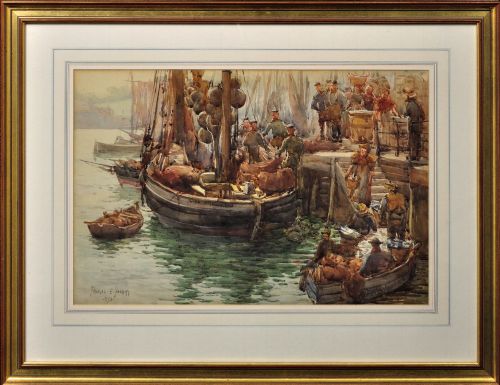
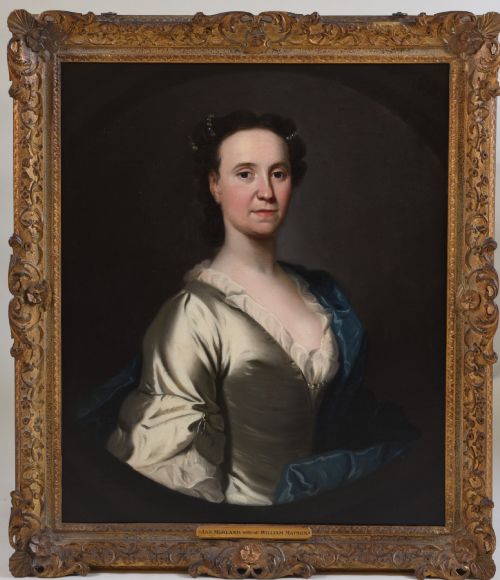
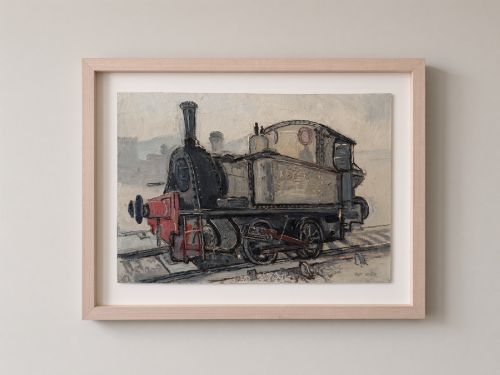
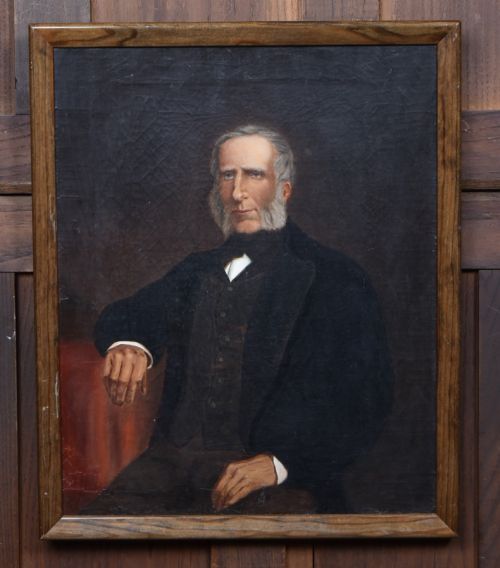
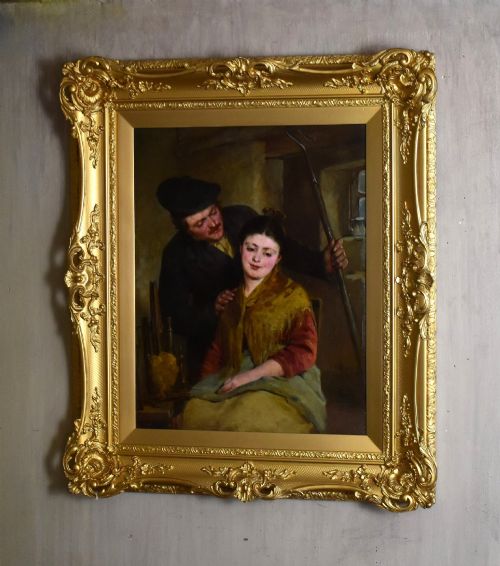
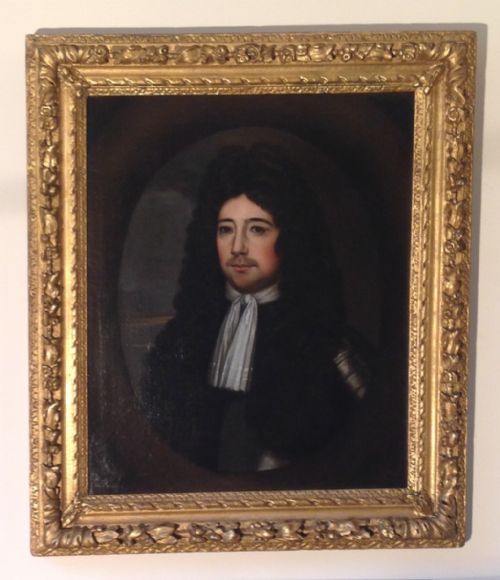
Heritage artwork spans centuries of traditional painting and drawing, featuring portraits of gentlemen, nobles, and royalty alongside topographical landscapes. A buyer exploring this selection encounters works executed in oil on canvas, oil on board, and watercolour on paper.
The assortment reaches from the seventeenth century through the Georgian and Victorian eras into the mid-twentieth century. Works by named artists sit alongside examples from the English School, representing genres from portrait sketches to detailed architectural townscapes.
Materials and methods
Painters applied oil paint to stretched canvas or wooden boards, often building rich textures with gesso preparation underneath. Watercolours and inks were worked onto paper supports, capturing fine linear details in drawings and landscape studies.
Artists utilised traditional pigments bound in oil or water-soluble mediums, applying them with brushes to record likenesses and scenes with precision. These methods resulted in durable works that retain their visual impact across generations.
Heritage Artwork Retail Price Guide 2026
Typical asking prices for heritage artwork among the pieces listed under this phrase on Sellingantiques today, from the lower quarter to the upper quarter. They describe what is for sale here now, not the wider market.
The listings feature oil and watercolour works on canvas, paper, and wood from the seventeenth century to the mid-twentieth century.
Distinctions in quality
The caliber of a piece rests in the surety of the draughtsmanship and the psychological depth of the subject rendered. Superior works display confident handling of light, shadow, and anatomy, whether in a detailed portrait or a topographical watercolour.
Condition and provenance further distinguish the selection, with exhibition histories and attributions to documented painters elevating individual pieces. The integrity of the original support and pigment layer remains paramount in assessing each item.
Fred Yates·Howard Helmick·John Opie RA·Carl Adolf Mende·Frank Moss Bennett·Fred Lawson·Frederick Tayler·John Jaques·John Laviers Wheatley·George Harcourt Sephton
The Heritage Artwork Glossary
- Oil on Canvas
- Pigment suspended in drying oil applied to a woven fabric support stretched over a wooden frame. This medium allowed artists to achieve deep colour saturation and rich surface textures.
- Watercolour Drawing
- A work on paper created using water-soluble pigments, often combined with ink or pencil lines. It provides a lighter, more immediate record of a landscape or figure.
- Gesso
- A white paint mixture consisting of a binder mixed with chalk, gypsum, or pigment, used as a prepared surface for painting. It creates a smooth, stable ground on wood panels or canvases.
- Genre Painting
- Depictions of aspects of everyday life by depicting ordinary people engaged in common activities. These scenes offer social history alongside artistic merit.
- English School
- A term used to designate works produced by artists trained or working in England during a particular period. It groups together painters sharing national stylistic traditions.
Heritage Artwork: Frequently Asked Questions
What periods do these paintings cover?
The selection spans from the seventeenth century through Georgian and Victorian eras up to the mid-twentieth century.
Buyers encounter works representing distinct historical epochs and evolving British artistic traditions.
How should I care for oil paintings?
Keep works away from direct sunlight and fluctuating humidity levels to protect the canvas and wooden supports.
Dust surfaces gently with a soft, dry brush without applying liquid cleaners or pressure.
What is the difference between oil and watercolour?
Oil paint uses drying oils on canvas or board, allowing for thick impasto and deep colour blending.
Watercolour utilises water-soluble pigments on paper, producing lighter, translucent washes and delicate line work.
How do I identify a portrait subject?
Inscribed names, exhibition labels, and historical records often provide the identity of the sitter.
Uniforms, heraldry, and costume styles also offer clues to the social standing and era of the individual.