



Herbert Dicksee Art
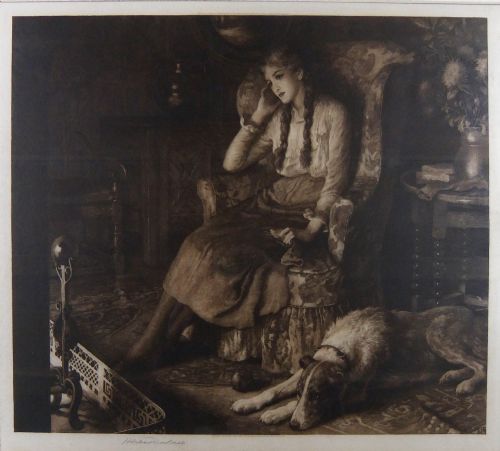
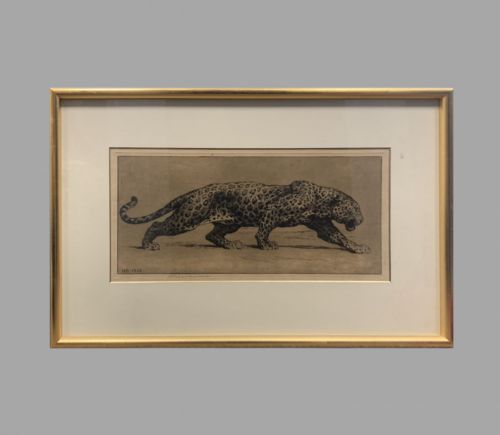
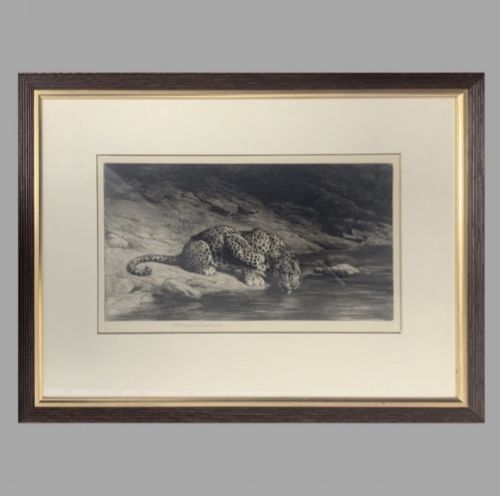
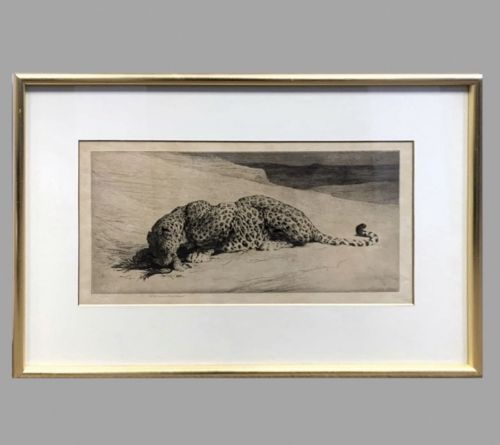
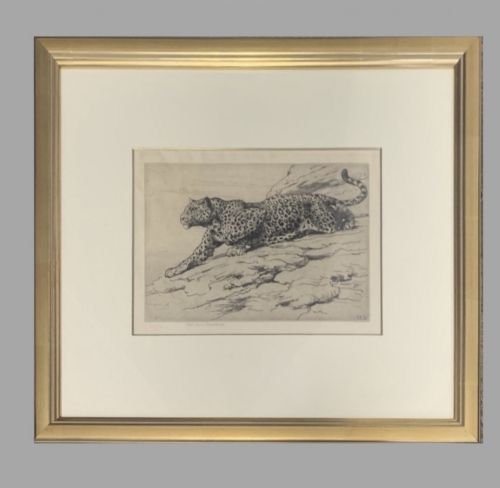
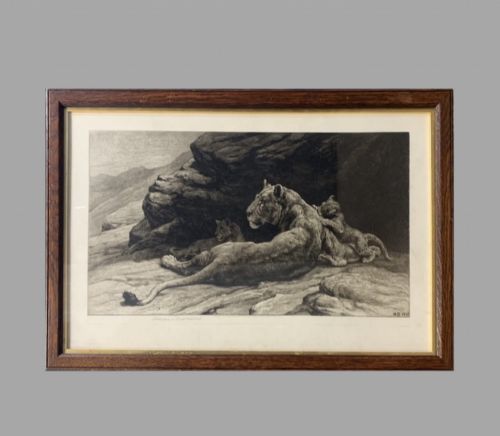
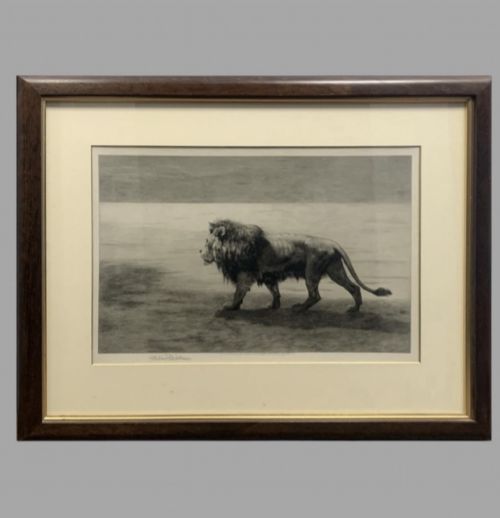
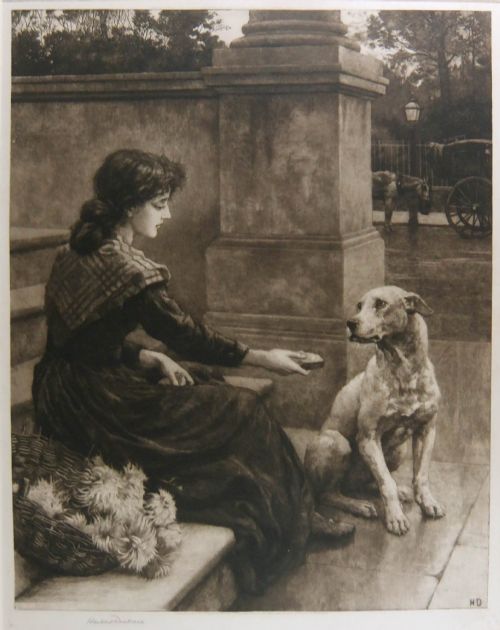
Herbert dicksee art brings together fine etchings of domestic animals and great cats, captured with striking realism.
Herbert Dicksee Art
When you search for herbert dicksee art, you find prints and etchings spanning the late Victorian, Edwardian and early twentieth century periods. The subjects range from domestic dogs like the Scottish terrier and cocker spaniel to powerful big cats such as leopards and lions.
Most pieces on this page appear as framed prints or original etchings. The form focuses heavily on detailed animal portraiture created across the turn of the nineteenth and twentieth centuries.
Materials and techniques
The works utilise ink applied to paper or vellum surfaces to form the detailed image. Many examples incorporate glass and wooden framing, sometimes enhanced with gilt wood or gold leaf accents.
Makers produced these images through etching and drypoint techniques. These methods allowed for fine lines and tonal depth, particularly suited to rendering the texture of animal fur.
Herbert Dicksee Art Retail Price Guide 2026
Typical asking prices for herbert dicksee art among the pieces listed under this phrase on Sellingantiques today, from the lower quarter to the upper quarter. They describe what is for sale here now, not the wider market.
The collection spans from the late nineteenth century through to the nineteen-twenties.
Factors in quality
Quality rests upon the clarity of the printed impression and the condition of the paper or vellum support. Stronger impressions display sharper contrasts between deep ink tones and lighter highlights.
The presence of a signature or artist proof status distinguishes particular examples. Framing materials like oak, gilt wood and preserved glass also contribute to the overall presentation of the piece.
Herbert Dicksee
The Herbert Dicksee Art Glossary
- Etching
- A printmaking process where acid bites lines into a metal plate to hold ink. This technique allows for expressive and detailed lines.
- Vellum
- A fine parchment prepared from calfskin used as a printing surface. It offers a smooth texture that absorbs ink differently than standard paper.
- Artists Proof
- An impression taken before the final edition is printed, retained by the creator. These proofs often carry a specific value for collectors.
- Drypoint
- A printmaking method where a sharp needle scratches directly into the metal plate. This creates a distinctive velvety burr along the printed line.
Herbert Dicksee Art: Frequently Asked Questions
What is herbert dicksee art?
Herbert dicksee art consists of original etchings and prints featuring dogs and large cats. These works date from the late nineteenth century into the early twentieth century.
The pieces display detailed realism, focusing on the textures of animal coats and expressive poses. Subjects range from bulldogs to leopards and lions.
How were these etchings produced?
The works were created using traditional printmaking methods like etching and drypoint on paper or vellum. Ink was pressed into incised metal plates and transferred under pressure.
Artists proofs were pulled during this process, often bearing pencil signatures from the creator. The finished prints were then framed in wood, oak, or gilt surrounds.
How do I care for vellum prints?
Vellum is sensitive to moisture and changes in humidity, requiring stable indoor environments. Framing under glass protects the delicate surface from dust and direct handling.
Keep pieces away from direct sunlight to prevent fading of the ink and the organic skin surface. Acid-free backing materials help preserve the condition of the paper or vellum over time.
Are these works signed?
Many examples listed include signed artist proofs from the early twentieth century or late Victorian era. These signatures are typically found in pencil beneath the printed image.
Unsigned prints and later editions also appear alongside the signed proofs. Each listing details whether a signature or proof marking is present on the work.