

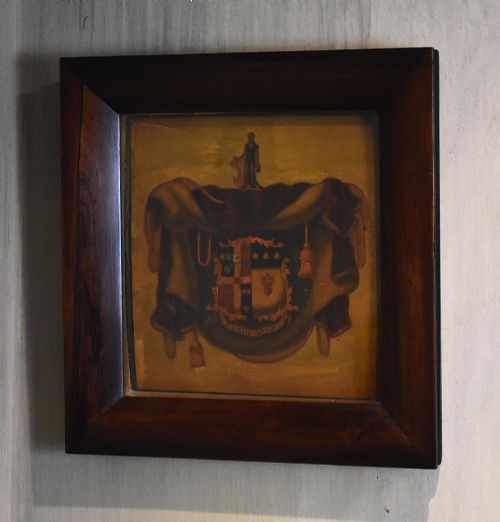


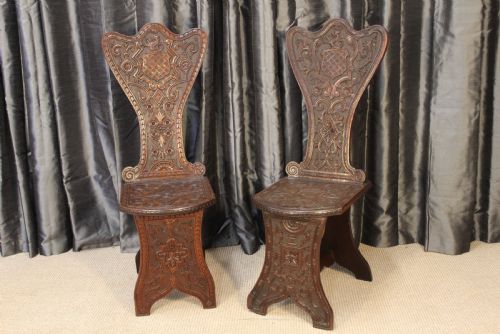


Heraldic Wooden Panel
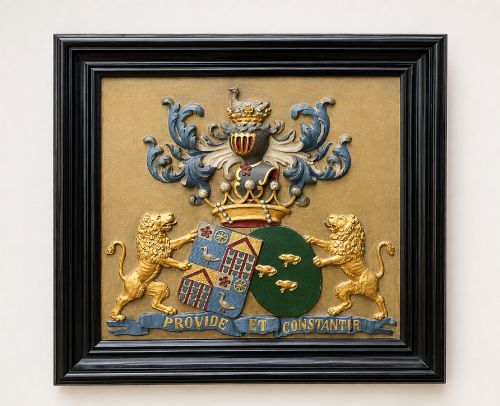
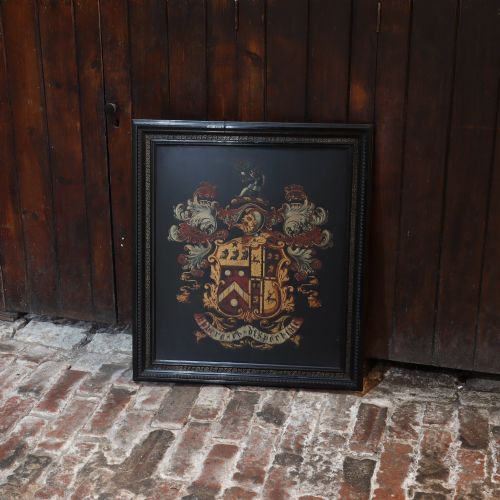
A heraldic wooden panel displays armorial bearings carved or painted in oak, walnut, or pine, offering a direct tangible link to family lineage and heraldic tradition.
Heraldic Wooden Panel
A heraldic wooden panel carries armorial bearings, crests, or coats of arms associated with specific families, marriages, or institutions. These pieces serve primarily as wall art, architectural salvage, or decorative plaques, bringing historic symbolism into interior spaces.
The selections available here span several centuries and stylistic revivals, with particular emphasis on nineteenth-century interpretations. Pieces range from carved oak reliefs to hand-painted panels originating from British, Dutch, Spanish, and French workshops.
Beyond standard wall plaques, the category encompasses related armorial forms including coach panels, book cover bindings, and architectural fragments adapted for display. Each object reveals how different eras reinterpreted heraldic art for domestic interiors.
Materials and Craftsmanship
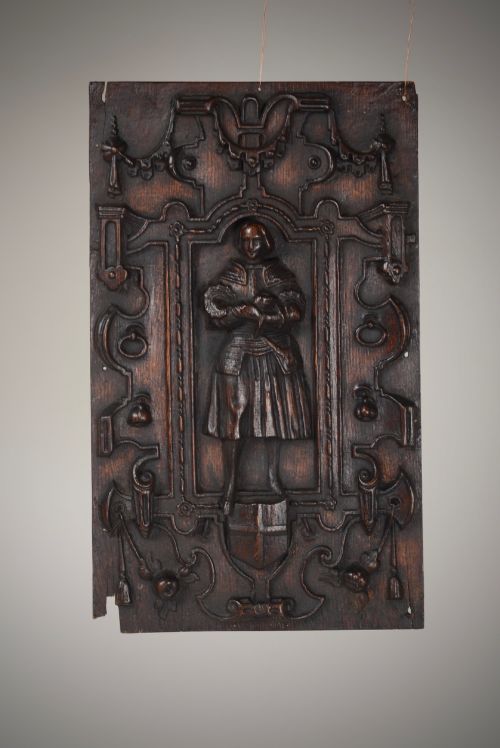
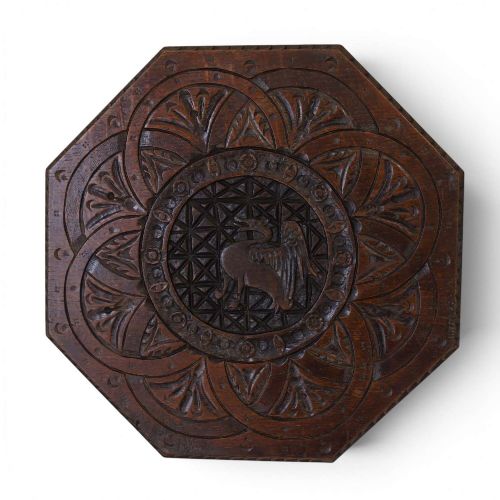
Construction relies heavily on dense hardwoods such as oak and walnut, selected for their stability and capacity to hold crisp, detailed carving. Woodworkers shaped these panels using traditional hand tools, often framing the central armorial design with moulded borders.
Surface decoration frequently combines deep relief carving with polychrome pigment, gesso, and oil paint. Gilding was often applied to highlight specific elements of the coat of arms, such as crowns, chevrons, or mantling.
Some panels originated as functional items, including coach panels, table tops, or door pediments, which were later adapted as independent wall art.
Heraldic Wooden Panel Retail Price Guide 2026
Typical asking prices for heraldic wooden panel among the pieces listed under this phrase on Sellingantiques today, from the lower quarter to the upper quarter. They describe what is for sale here now, not the wider market.
One recorded marriage plaque meticulously preserves the surnames of both spouses, ensuring their seventeenth-century union remains legible on the wall today.
Defining Quality in Heraldic Panels
Quality rests in the precision of the carving and the fidelity of the heraldic design. Skilled carvers achieved sharp undercut details and balanced proportions that reflect correct armorial rules.
The preservation of original painted surfaces and gilt details distinguishes superior examples from those with later repainting. Natural ageing of the wood, including stable shrinkage and mellow patination, adds depth to the surface.
Documentation of the specific family, marriage, or provenance enhances the historical significance of a panel. Pieces retaining clear ties to identifiable lineages command greater interest from collectors.
Icilio Federico Joni
The Heraldic Wooden Panel Glossary
- Coat of arms
- The formal display of armorial bearings, typically depicted on a shield, representing a specific family or individual.
- Gesso
- A plaster-like mixture applied to wood surfaces to prepare them for painting or gilding.
- Polychrome pigment
- Paint applied in multiple colours to decorate carved wooden surfaces.
- Architectural salvage
- Elements rescued from older buildings, such as door pediments or wall panels, repurposed for interior display.
- Gothic Revival
- An architectural and decorative style popular in the nineteenth century that drew inspiration from medieval forms and tracery.
Heraldic Wooden Panel: Frequently Asked Questions
What is a heraldic wooden panel?
A heraldic wooden panel is a decorative or architectural piece featuring carved or painted coats of arms, crests, or family insignia. These objects were originally created to mark lineage, alliances, or important family events.
Today, they are displayed as wall art, plaques, or focal points within historic and traditional interiors.
How were heraldic panels used historically?
Historically, these panels served multiple functions depending on their original context. Some were mounted in great halls to display family lineage, while others functioned as marriage plaques commemorating specific unions.
Certain pieces originated as exterior coach panels, furniture elements, or architectural salvage before being adapted for interior display.
How do I care for an antique wooden panel?
Maintaining an antique wooden panel requires protecting the material from sudden changes in temperature and humidity, which can cause wood to split or paint to flake. Keep the piece away from direct sunlight and heat sources.
Dust gently with a dry, soft cloth and avoid using liquid cleaners or polishes that might damage aged oil paint, gesso, or exposed wood.
How can I tell the age of a panel?
Dating a panel involves examining the tool marks on the wood, the construction methods used for the panel support, and the composition of the paint or gesso layers. Oak and walnut panels from earlier centuries exhibit distinct hand-planing and joinery.
Stylistic cues, such as the character of the lettering or the influence of periods like the Gothic Revival or Renaissance Revival, also provide reliable dating indicators.