



Heraldic Crest Decor
These pieces of heraldic crest decor display historic coats of arms and armorial bearings, offering an instant anchor of lineage and tradition for any room.
Heraldic Crest Decor
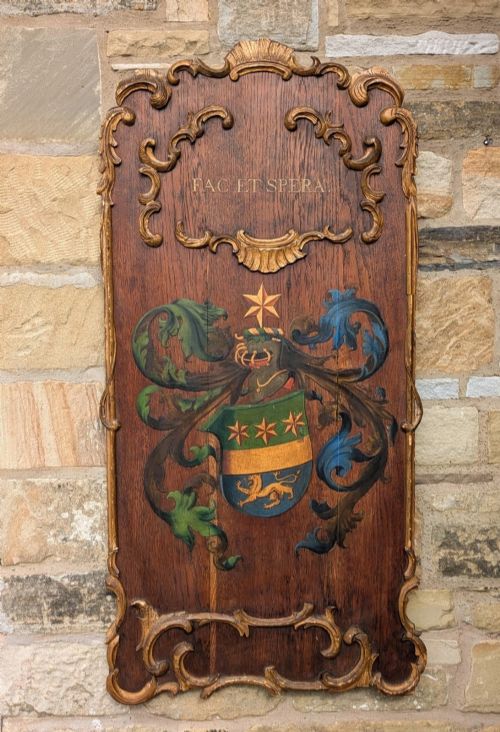
Heraldic crest decor encompasses a diverse range of armorial objects designed for display, primarily taking the form of wall plaques, decorative plates, and armorial shields. These items translate family lineage, civic identity, and royal association into tangible objects meant to be hung or mounted. When searching for heraldic crest decor, buyers most frequently encounter pieces fashioned as wall plaques and decorative plates dating from the nineteenth and early twentieth centuries.
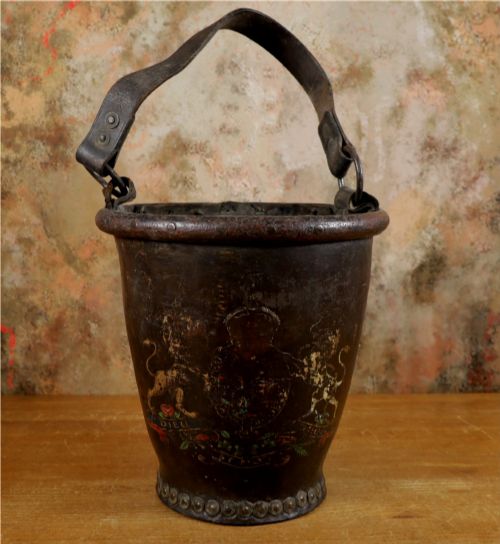
The selection spans several distinct stylistic revivals, including Victorian Heraldic, Gothic Revival, and French Revival pieces. Alongside traditional wall panels, one discovers utilitarian items adapted for display, such as leather fire buckets and heavy cast iron door stops bearing coats of arms. These objects bridge the gap between functional household items and overt statements of heraldic pride.
How they were made
Makers utilised a robust mix of metals, woods, and pigments to render coats of arms with lasting durability and visual clarity. Cast iron and brass provide the heavy structure for metal plaques and door stops, often enhanced with paint or gilt to highlight the intricate details of the armorial bearings. Carved hardwood and oak serve as the foundation for wooden shields and wall panels, occasionally incorporating gesso for added relief work.
Surface decoration relies heavily on hand painting and glazing, particularly on pottery plates and wooden panels where polychrome pigments bring heraldic tinctures to life. Leather fire buckets demonstrate alternative craftsmanship through studded leather construction combined with painted armorial motifs. Each material choice dictates the method of relief, whether cast from a mould, carved from solid timber, or brushed with pigment.
Heraldic Crest Decor Retail Price Guide 2026
Typical asking prices for heraldic crest decor among the pieces listed under this phrase on Sellingantiques today, from the lower quarter to the upper quarter. They describe what is for sale here now, not the wider market.
Listings feature items spanning the Georgian era through the mid-twentieth century, utilising oak, brass, cast iron, and pigment.
What varies in quality
Quality rests in the sharpness of the casting, the depth of the carving, and the fidelity of the heraldic design. Metal plaques cast with crisp lines and well-defined charges stand apart from softer, worn castings that lose their intricate detail. Similarly, carved hardwood shields show distinction through precise chisel work that gives the armorial bearings genuine sculptural relief rather than a flat surface.
The execution of the painted or gilded elements further separates standard pieces from finer examples. Hand painted panels and glazed pottery plates displaying confident brushwork and accurate heraldic tinctures reflect superior workshop execution. The integration of materials, such as an oak crest securely inset into a heavy brass frame, also indicates the level of care invested by the maker.
Nanninga Uitterdyke·Duncan Arms
The Heraldic Crest Decor Glossary
- Armorial
- Relating to heraldry or coat armour. It describes any object displaying official or assumed armorial bearings.
- Gesso
- A plaster mixture used as a base for painting or moulding. It allows craftsmen to build up relief details on wooden panels before applying pigment or gilt.
- Tincture
- The traditional colours, metals, and furs used in heraldry. On these pieces, they are rendered through paint, glaze, or metal finishes.
- Charge
- Any emblem, figure, or device placed on the field of an escutcheon. These form the central imagery of a coat of arms.
- Gilt
- Covered thinly with gold leaf or gold paint. This technique highlights raised portions of brass, wood, or iron crests.
Heraldic Crest Decor: Frequently Asked Questions
What is heraldic crest decor?
Heraldic crest decor comprises physical representations of coats of arms, family crests, and armorial bearings rendered in materials like brass, cast iron, wood, and pottery. These items range from dedicated wall plaques and shields to decorative plates and functional objects bearing civic or family insignia.
They were originally produced to signal lineage, allegiance, or institutional identity. Today, collectors acquire them for their historical resonance and decorative presence in studies, hallways, and libraries.
How were armorial wall plaques used?
Armorial wall plaques and shields were mounted in prominent rooms to display a family's heritage, military achievement, or corporate identity. They served as visual declarations of status and historical continuity within a home or civic building.
Living with them involves treating them as focal points on panelled walls or above fireplaces. Their substantial weight and metallic or wooden textures pair well with traditional interiors and book-lined spaces.
How do I date a cast iron crest?
Dating cast iron and brass armorial pieces relies on examining the style of the mounting hardware, the depth of the casting, and any accompanying inscriptions or registration marks. Victorian and early twentieth-century pieces often reflect revival movements that favored heavy, theatrical displays of royal or civic arms.
Comparing the manufacturing technique, such as sand casting versus later industrial methods, helps narrow down the period. Patina accumulated on the metal and pigment also offers reliable clues to an object's age.
Are painted wooden panels durable?
Hand painted wooden panels and leather items require stable indoor humidity to protect the pigment and gesso from cracking or flaking. Hardwoods like oak provide a stable base, but the surface paint remains sensitive to direct sunlight and extreme temperature shifts.
Proper care involves dusting with a dry, soft cloth and avoiding chemical cleaners on the painted surfaces. Keeping them away from direct heat sources ensures the wood and pigment age gracefully together.