

Hepplewhite Table
A hepplewhite table brings neoclassical grace into a room through slender tapered legs and refined inlaid mahogany surfaces.
Hepplewhite Table
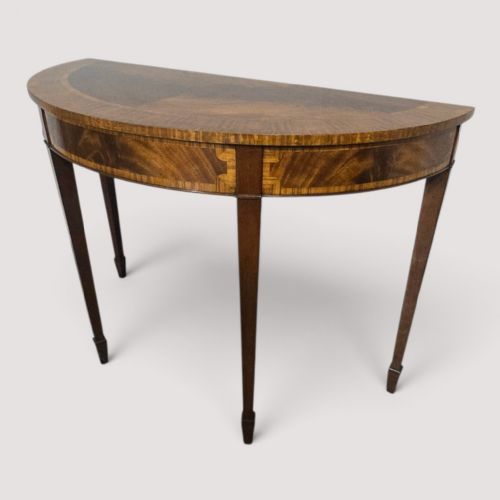
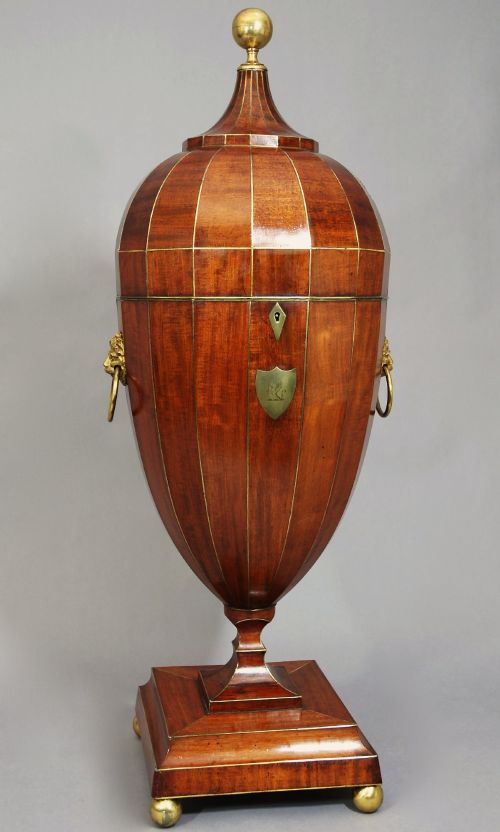
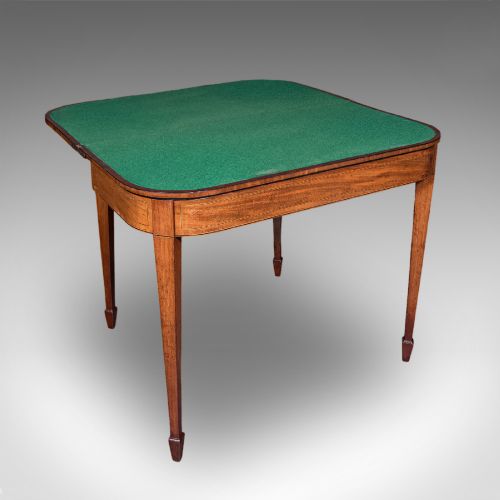
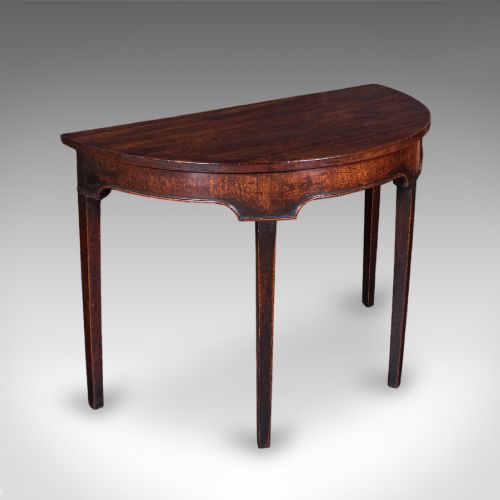
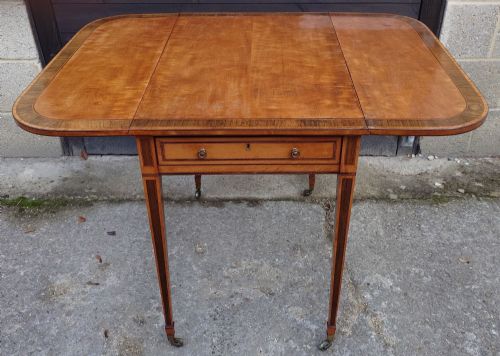
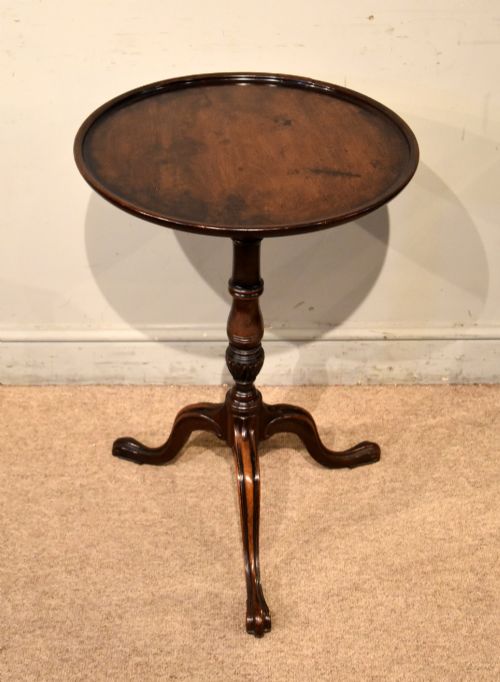
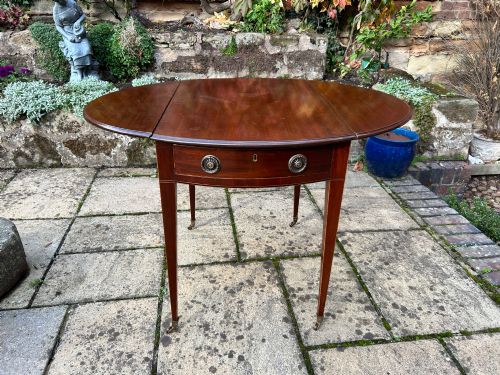
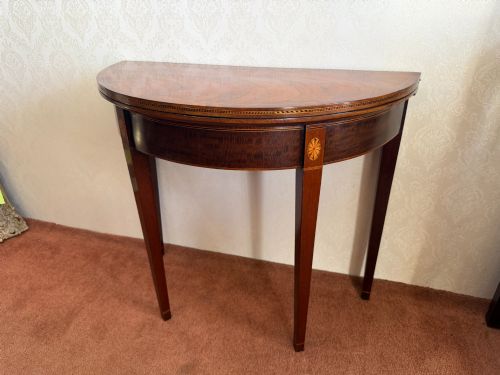
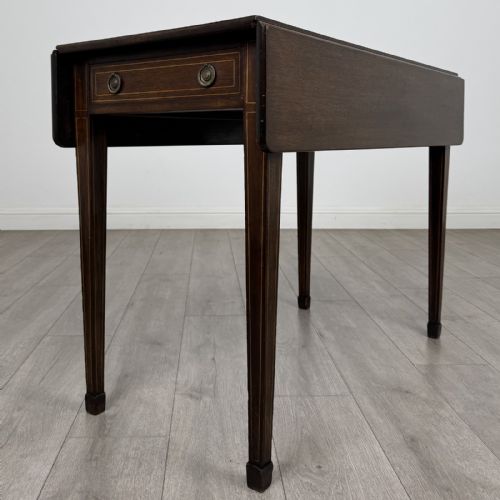
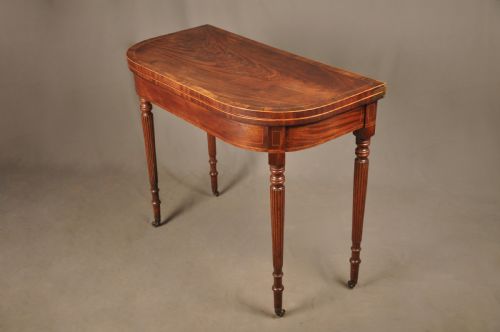
A hepplewhite table encompasses card tables, demi-lune console tables, Pembroke tables, and tea tables originating from the eighteenth century or executed in later revival periods. The pieces appearing most frequently take the form of card tables and Pembroke tables with folding tops or drop leaves.
Makers working within this idiom utilised distinctive geometric shapes, notably semicircular demi-lune formats and serpentine fronts. Examples range from authentic Georgian period items to twentieth-century revival pieces modelled on the same classical proportions.
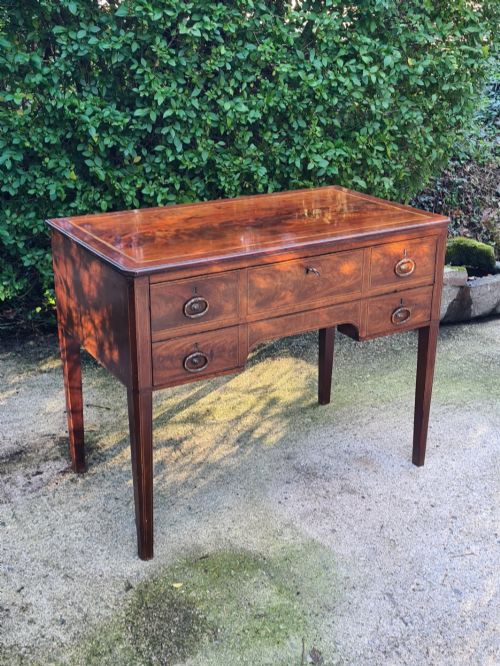
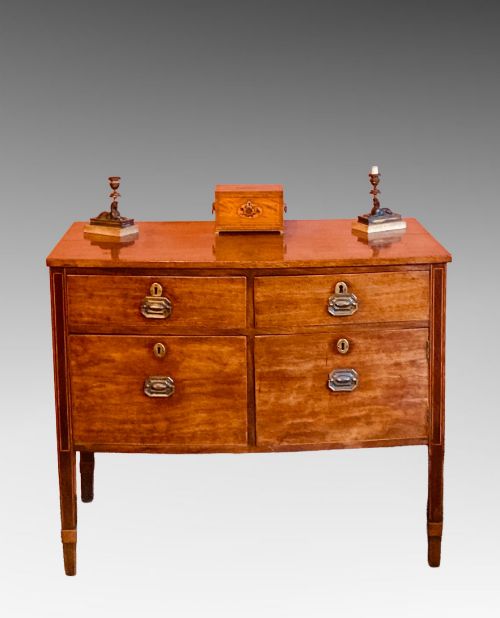
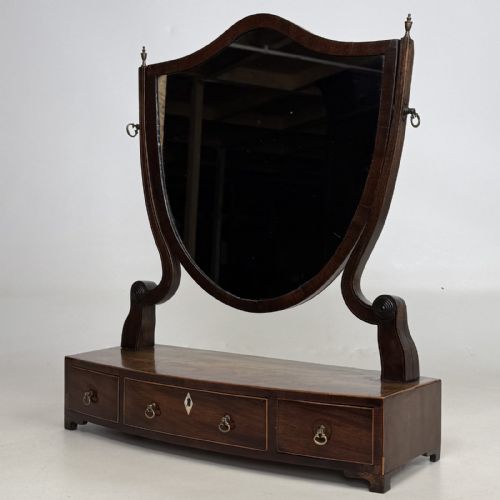
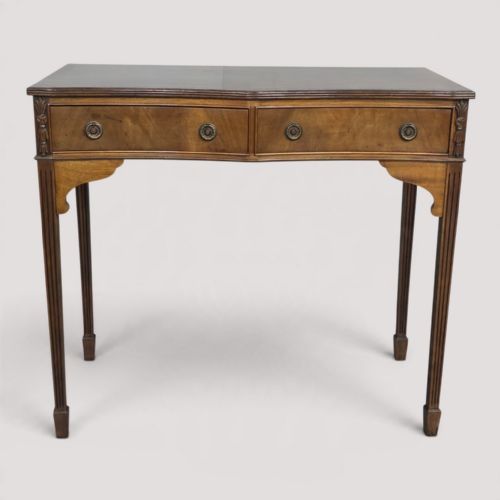
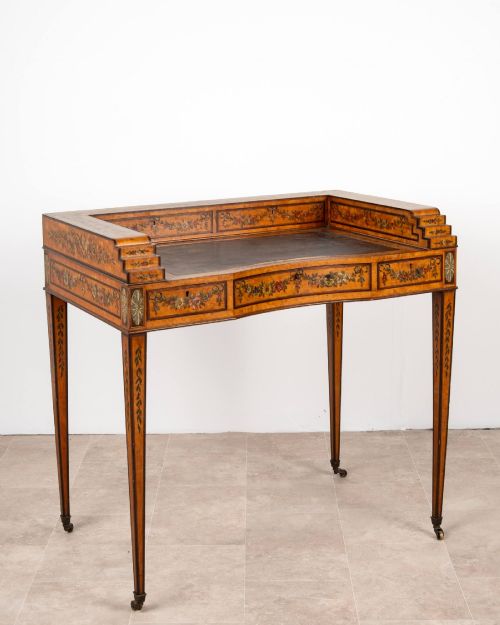
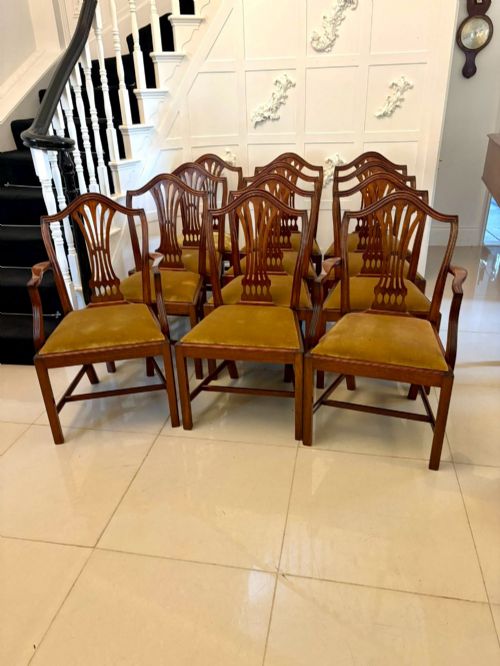
Buyers will also encounter related forms such as dressing tables, sideboards, and occasional tables sharing the characteristic light construction and straight tapered supports. These items reflect the lighter, more delicate furniture designs popularised during the late eighteenth century.
Materials and construction
Cabinet makers built these tables primarily using solid mahogany and mahogany veneers, frequently incorporating contrasting timbers for decorative effect. Satinwood, rosewood, and boxwood appear extensively as crossbanding and delicate inlay work along table edges and friezes.
Structural stability relied on precise joinery combined with slender, square-tapered legs that reduced visual bulk. Brass fittings such as hinges on fold-over card tables and small drawer pulls completed the construction of these refined domestic pieces.
Hepplewhite Table Retail Price Guide 2026
Typical asking prices for hepplewhite table among the pieces listed under this phrase on Sellingantiques today, from the lower quarter to the upper quarter. They describe what is for sale here now, not the wider market.
Card tables often conceal secret swing legs that pivot awkwardly if you try to open them too fast.
Judging quality and execution
The distinction between ordinary and superior pieces rests on the crispness of the inlay work and the choice of timber figuring. Tables featuring finely matched burr veneers or intricate boxwood and satinwood stringing demonstrate a higher grade of craftsmanship.
Proportion and the integrity of the original structure dictate the standing of a piece within its period. Examples retaining balanced proportions, clean lines in the tapered legs, and minimal timber replacement command greater appreciation.
The Hepplewhite Table Glossary
- Demi-lune
- A half-moon shape commonly utilised for console and card tables designed to sit flush against a wall. This format allowed smaller tables to occupy minimal floor space while providing a finished decorative surface.
- Crossbanding
- A strip of veneer applied perpendicularly to the grain of the main surface around the border of a table top. This technique creates a distinct framing effect using contrasting timbers such as satinwood or rosewood.
- Pembroke table
- A small rectangular table featuring two hinged drop leaves on opposing sides and often a single drawer. It was named after the Countess of Pembroke who reportedly commissioned the first such design.
- Serpentine front
- A furniture front characterised by a gentle convex curve flanked by two concave curves. This undulating profile requires skilled carpentry to execute cleanly across drawers and rails.
- Card table
- A folding table designed specifically for indoor games with a top that opens to reveal a baize-lined playing surface. Many examples utilise a swing leg to support the opened leaf.
Hepplewhite Table: Frequently Asked Questions
How do I identify a true Georgian piece?
Authentic Georgian pieces exhibit construction methods, timber ageing, and secondary woods consistent with eighteenth-century workshop practices. Examining the interior drawer linings and hinge fixings helps distinguish period items from later revivals.
Later nineteenth and twentieth-century revival pieces often display cleaner, more uniform machine-cut elements and lack the natural patination acquired over centuries of use.
Where should I place a demi-lune table?
A demi-lune table fits naturally against a hallway wall or beneath a mirror in a living room due to its flat back and curved front. Its compact depth prevents it from obstructing narrow walkways while offering a surface for display.
These tables also function effectively as occasional serving surfaces or paired with matching mirrors to create a balanced focal point in a dining space.
How do I care for mahogany and satinwood surfaces?
Protect delicate wood surfaces by avoiding direct sunlight and maintaining stable room humidity to prevent timber splitting or fading. Regular dusting with a soft, dry cloth preserves the natural finish without requiring heavy polishes.
Occasional application of appropriate wax maintains the lustre of the timber and safeguards antique patination against everyday wear.