



Hepplewhite Period Furniture
Hepplewhite period furniture brings refined 18th-century elegance to a room through graceful lines, fine timbers and understated classical carving.
Hepplewhite Period Furniture
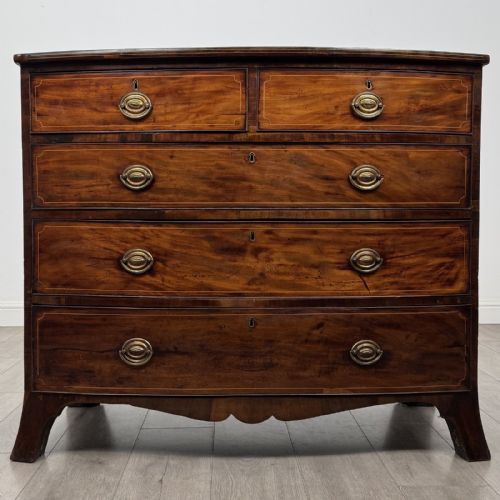
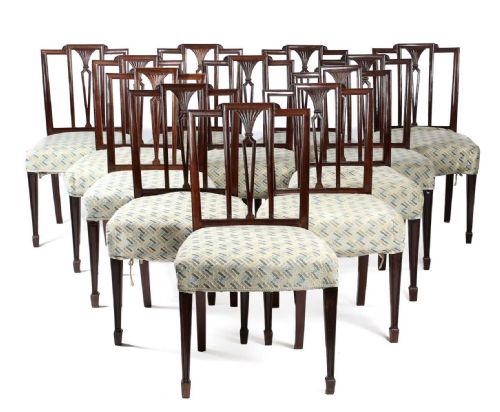
When you search for hepplewhite period furniture, you encounter sophisticated pieces spanning the Georgian era, the late 18th century and later revivals. The selection on this page centres primarily on dining chairs, writing desks, chests of drawers, sideboards and occasional tables.
The objects derive largely from 18th-century workshops, with occasional examples from the Edwardian Hepplewhite revival around 1900. These items represent the lighter, more delicate neoclassical phase of British cabinet making that followed the heavier Palladian styles.
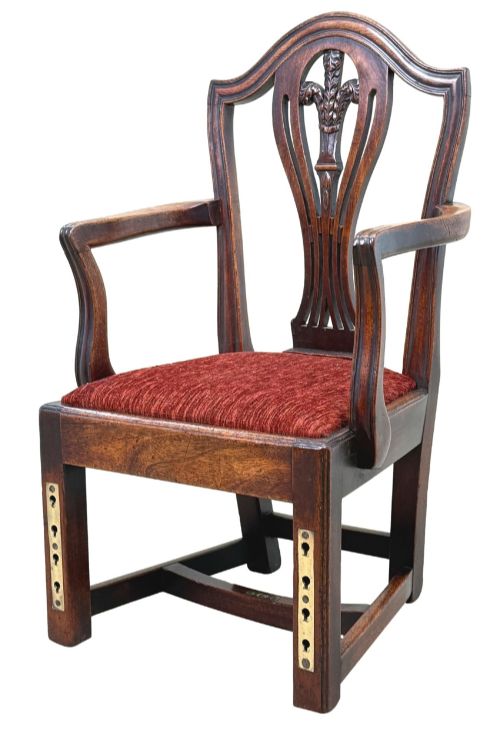
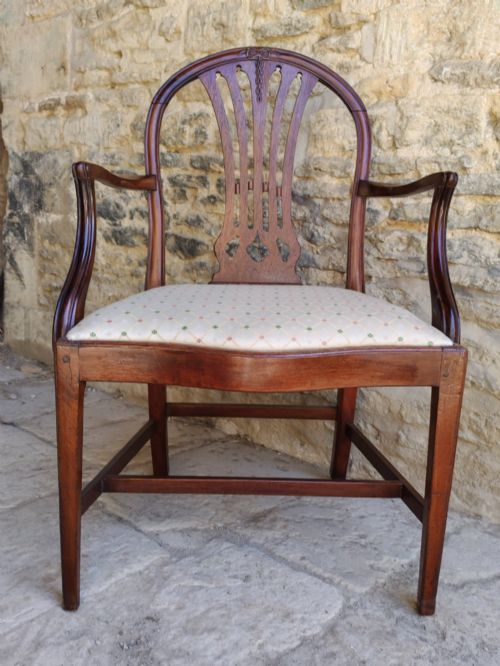
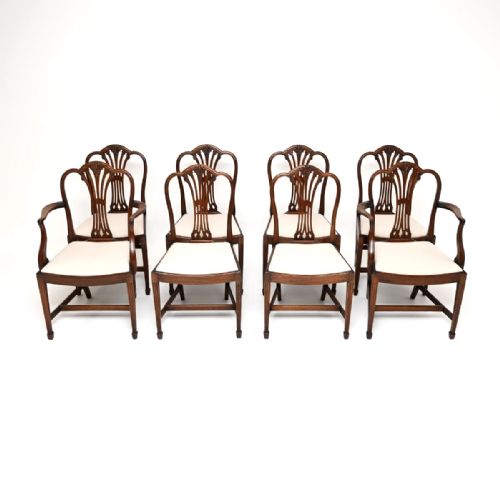
Buyers frequently find matching sets of dining chairs alongside individual armchairs, carvers, and occasional pieces. The forms display characteristic restraint, relying on proportion and timber figure rather than heavy ornamentation.
How they were made
Cabinet makers utilised dense, durable timbers like mahogany alongside lighter decorative woods such as satinwood, yew wood, harewood and maple. These materials were frequently combined to create subtle contrasts in tone across drawer fronts and tabletop surfaces.
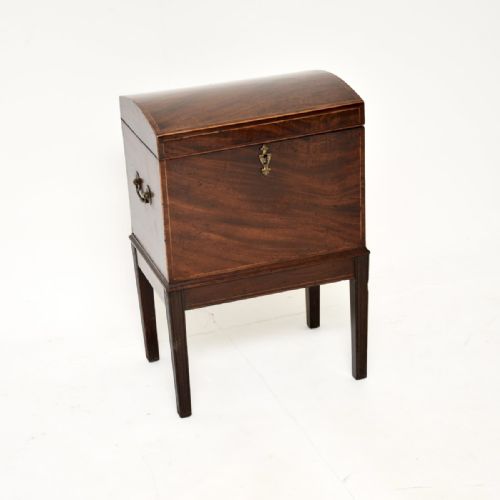
Surfaces often incorporate delicate inlaid decoration rather than deep relief carving, enhancing the natural grain of the timber. Upholstered elements rely on traditional fabric coverings, while hardware components utilise cast brass fittings.
Hepplewhite Period Furniture Retail Price Guide 2026
Typical asking prices for hepplewhite period furniture among the pieces listed under this phrase on Sellingantiques today, from the lower quarter to the upper quarter. They describe what is for sale here now, not the wider market.
What varies in quality
The standard of Hepplewhite period furniture rests upon the choice of timber figure, such as highly figured mahogany or polished satinwood. Superior examples display precise joinery and refined proportions that preserve the lightness characteristic of the design.
The crispness of carved details, including shield backs and slender tapered legs, separates standard production from exceptional craftsmanship. Preservation of original timber surfaces and authentic brass hardware further distinguishes higher grade pieces.
Maple and Co
The Hepplewhite Period Furniture Glossary
- Shield Back
- A chair back design shaped in the outline of a heraldic shield, frequently pierced with carved splats. This form is the defining silhouette of Hepplewhite seating.
- Serpentine
- A curved line that undulates outward in the centre and inward at the sides. It appears on the fronts of sideboards, commodes and chests.
- Pembroke Table
- A small drop-leaf table with hinged flaps on either side, introduced in the 18th century for breakfasting or writing. They typically feature slender tapered legs.
- Cylinder Bureau
- A writing desk featuring a cylindrical rolling wooden shutter that conceals fitted interior drawers and pigeonholes. When closed, it presents a smooth curved front.
- Harewood
- Sycamore wood that has been stained to a greenish-grey hue, often utilised for marquetry and fine stringing lines in late 18th-century cabinet work.
Hepplewhite Period Furniture: Frequently Asked Questions
What defines Hepplewhite furniture?
Hepplewhite furniture is characterised by lighter proportions, neoclassical motifs, and elegant shapes such as shield-back chairs and tapered legs. The style emerged during the late 18th century.
Pieces rely on refined craftsmanship, subtle inlay, and fine timber figures rather than heavy ornamentation or bulky construction.
How do I care for mahogany furniture?
Keep wooden pieces away from direct sunlight and steady heat sources to prevent timber from drying out or fading. Dust regularly with a soft, dry cloth.
Avoid silicone-based polishes and excessive moisture, which can damage the polished finish and delicate veneer work over time.
Can I use antique dining chairs daily?
Most antique dining chairs constructed from solid mahogany remain sturdy enough for regular domestic use. Ensure joints are checked periodically by a professional conservator.
Sitting with care and avoiding excessive strain on delicate carved splats will preserve these pieces for years to come.
How do I distinguish revival pieces?
Edwardian revival pieces often display machine-cut elements, different secondary woods, and standardised construction methods compared to 18th-century originals. Timber ageing and wear patterns also differ.
Examining the underside, drawer linings, and hardware fixings provides clear clues regarding the true age of the piece.