





Hepplewhite Buffet
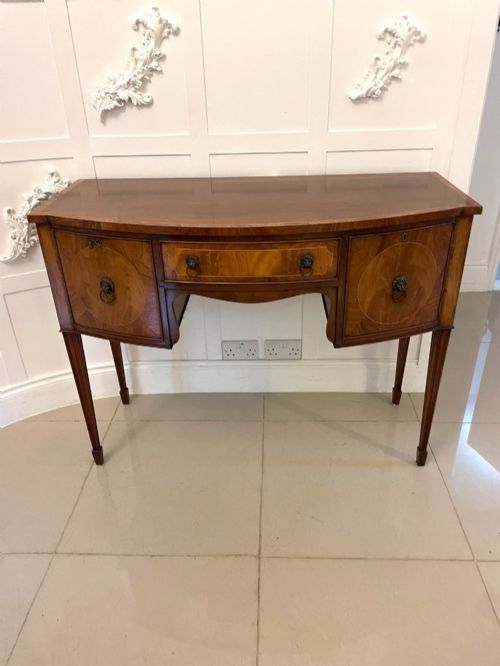
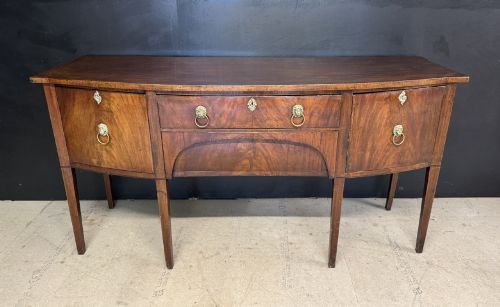
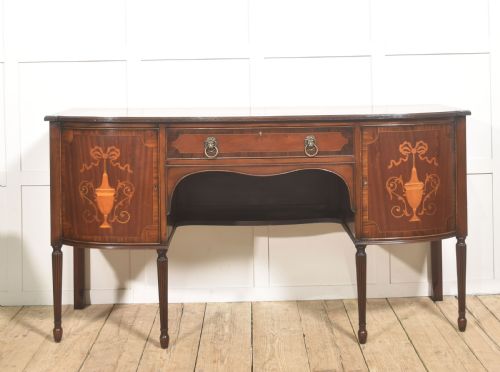
These hepplewhite buffet pieces are elegant mahogany sideboards and serving tables shaped by Georgian design, bringing refined storage and classic proportions to a dining room.
Hepplewhite Buffet
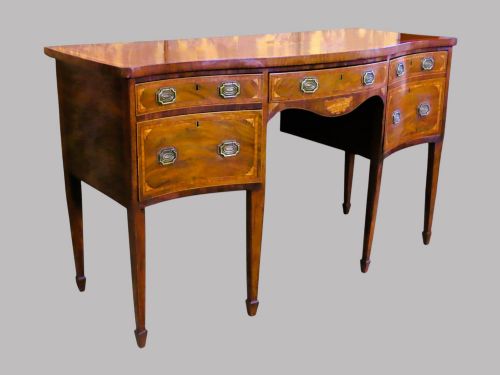
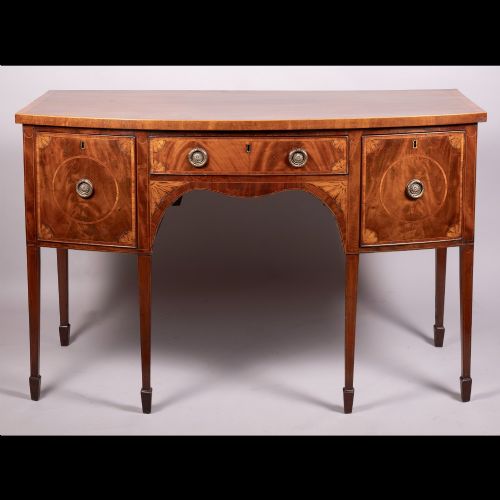
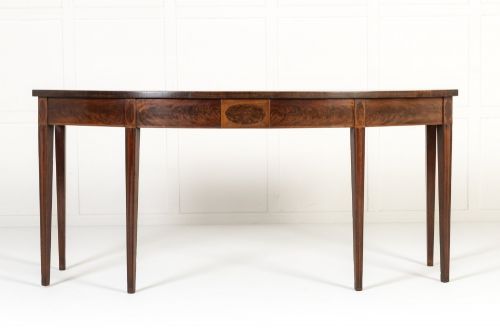
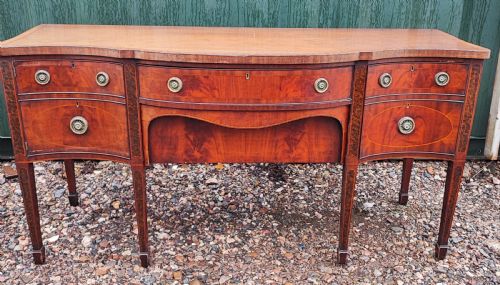
A hepplewhite buffet search reveals a collection of mahogany sideboards, serving tables, and console tables primarily originating from the Georgian period alongside later revival eras. Buyers encounter bow front and serpentine shapes frequently, with forms ranging from large multi-legged pieces to narrow small examples.
The objects stem from various decades including the 18th Century and the 19th Century, stretching into early 20th Century revivals. Many items follow the classic design principles established by George Hepplewhite, translated into practical dining room furniture.
Sideboards and servers serve as the dominant object types on this page. These pieces offer surface space for serving alongside concealed storage behind cabinetry doors.
Assessing Quality and Design
Quality separates pieces through the precision of the serpentine or bow front shaping and the choice of timber figurations, such as highly figured flame mahogany. The crispness of the boxwood inlay and the integration of delicate satinwood details demonstrate superior craftsmanship.
Period authenticity also influences distinction, with genuine 18th Century and George III examples differing from later Hepplewhite revival pieces produced in the 19th Century or 1900s. Proportion, timber maturity, and the subtlety of the curved outlines determine the standing of each sideboard.
Hepplewhite Buffet Retail Price Guide 2026
Typical asking prices for hepplewhite buffet among the pieces listed under this phrase on Sellingantiques today, from the lower quarter to the upper quarter. They describe what is for sale here now, not the wider market.
Listings span the Georgian period through 19th Century revivals, uniting mahogany, satinwood inlay, and brass hardware in serving furniture.
Gillow
The Hepplewhite Buffet Glossary
- Serpentine
- A front profile that curves outward in the centre and inward toward the ends, creating a flowing undulating shape.
- Bow front
- A convex curved front on a cabinet or sideboard that arches outward in a smooth rounded arc.
- Flame mahogany
- A distinct timber figure displaying fiery, flame-like patterns derived from the branch junctions of the mahogany tree.
- Inlay
- A technique where pieces of contrasting wood like boxwood or satinwood are inserted into recesses to form decorative patterns.
- Marquetry
- Elaborate decorative veneer work forming pictorial or ornamental designs using various tinted woods.
Hepplewhite Buffet: Frequently Asked Questions
What is a hepplewhite buffet?
A hepplewhite buffet is a dining room sideboard or serving table inspired by the light, graceful furniture designs of George Hepplewhite from the Georgian era. These pieces often feature curved fronts and delicate inlay work.
They function as practical serving surfaces while adding architectural elegance to a dining space through classical proportions and figured mahogany timbers.
How do I spot a Georgian original?
Distinguishing an 18th Century original from a later revival piece involves examining the construction methods, timber maturity, and hand-cut joinery. Period pieces display natural wear and historically accurate secondary woods.
Revival versions from the 19th Century or 1900s often show different internal construction and machine-processed elements, even when following identical design templates.
Where should I place a serpentine sideboard?
Serpentine sideboards require adequate wall space where their curved fronts can be fully appreciated without obstruction. Dining rooms and large hallways provide the ideal setting for daily use and visual display.
Because many examples feature finished mahogany backs and polished tops, they also function effectively as freestanding serving consoles.
What maintenance do these sideboards need?
Maintaining mahogany sideboards involves keeping them away from direct heat sources and strong sunlight to prevent the timber and veneers from drying out. Regular dusting with a soft cloth preserves the polished surface.
Applying a traditional beeswax polish periodically helps nourish the wood grain and maintains the natural lustre of the flame mahogany.