





Heavy Wooden Bench
A heavy wooden bench anchors a room or garden with serious presence, built from sturdy oak, walnut and hardwood to last generations.
Heavy Wooden Bench
When you search for a heavy wooden bench, you encounter robust seating and working surfaces designed for utility and endurance across multiple eras.
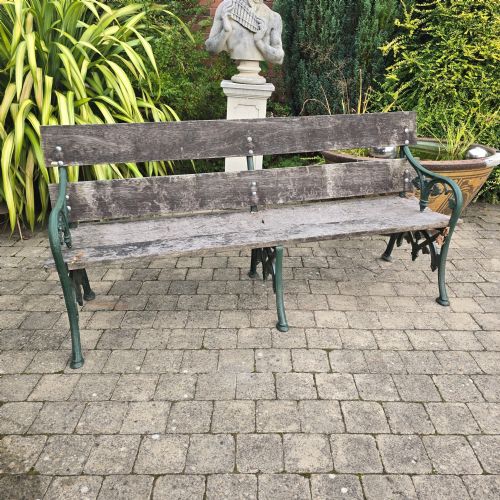
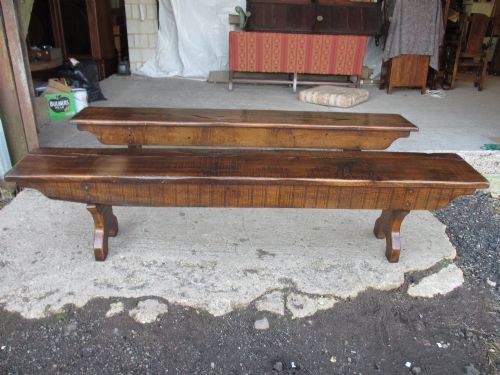
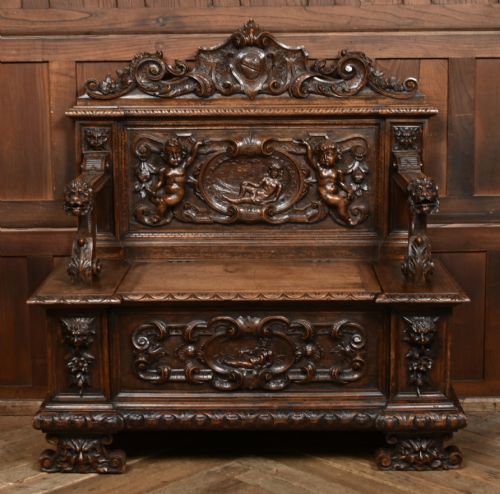
The most common examples on this page span the nineteenth century and the Edwardian period, ranging from rustic French workbenches with vices to carved oak hall settles and garden seating.
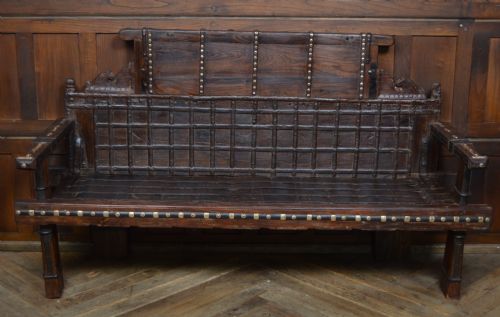
These pieces cross several traditions, including Italian Renaissance Revival, Victorian Gothic, French Country and Indian vernacular forms.
How they were made
Carpenters and makers utilised dense timbers like oak, walnut and unspecified hardwoods, often pairing them with heavy cast iron frames and brass fittings.
Construction methods relied on thick planks, shaped trestle ends and robust joinery capable of withstanding the demands of workshops, halls and gardens.
Heavy Wooden Bench Retail Price Guide 2026
Typical asking prices for heavy wooden bench among the pieces listed under this phrase on Sellingantiques today, from the lower quarter to the upper quarter. They describe what is for sale here now, not the wider market.
The listings span the nineteenth century, 1900, 1880, 1920, the Edwardian era and the Victorian period, utilising oak, walnut, hardwood, iron and brass.
What varies in quality
Quality rests in the depth of timber selection and the integrity of the original structure, where honest utilitarian wear differs from later alteration.
Carved detail and the presence of working elements like wooden vices elevate certain workshop and hall pieces above standard utility forms.
The Heavy Wooden Bench Glossary
- Cassapanca
- A type of bench originating in Italy with a wooden seat, high back and armrests, often featuring storage beneath the seat. These carved walnut examples serve as both seating and sculptural furniture.
- Refectory table
- A long dining table historically used in monasteries and great halls, frequently accompanied by matching long bench forms. They are built with sturdy trestle ends for stability.
- Settle
- An early form of wooden bench with a high solid back to block drafts, panelled sides and enclosed storage beneath the seat. Victorian and antique iterations often display carved wooden ornamentation.
- Workbench
- A heavy wooden table used by artisans and carpenters, featuring thick tops and sometimes integrated vices. French primitive and artisan variants are collected today for their robust industrial character.
- Trestle ends
- Supporting frameworks at either end of a table or bench, connected by a central stretcher. This design provides exceptional weight-bearing capacity for heavy wooden furniture.
Heavy Wooden Bench: Frequently Asked Questions
Where should I place a heavy wooden bench?
These robust pieces suit wide hallways, large kitchens, or sheltered garden spots where their substantial weight and materials can be appreciated.
Ensure the floor or ground can support the considerable mass of oak, hardwood, and cast iron structures.
How do I care for a vintage wooden workbench?
Maintain the timber surfaces with suitable natural waxes and oils to preserve the dry finish acquired through decades of workshop use.
Avoid excessive moisture, particularly if the bench retains iron vices or brass fittings that might react to damp conditions.
Are garden benches made of cast iron weather-resistant?
Nineteenth and early twentieth-century garden pieces combine heavy timber slats with robust cast iron frames built for outdoor exposure.
Regular inspection of the metal and wood will help them weather outdoor seasons gracefully.