

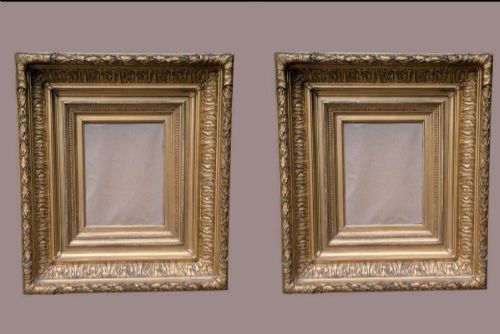

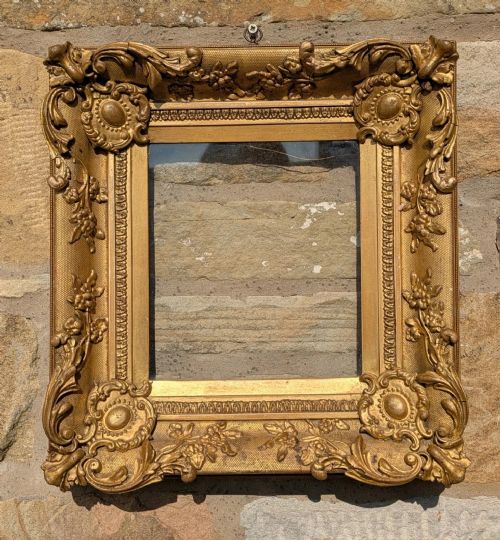

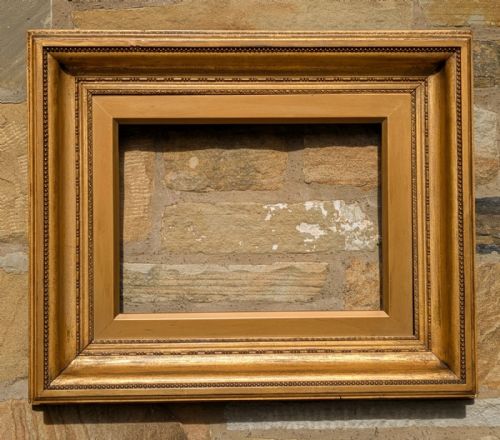
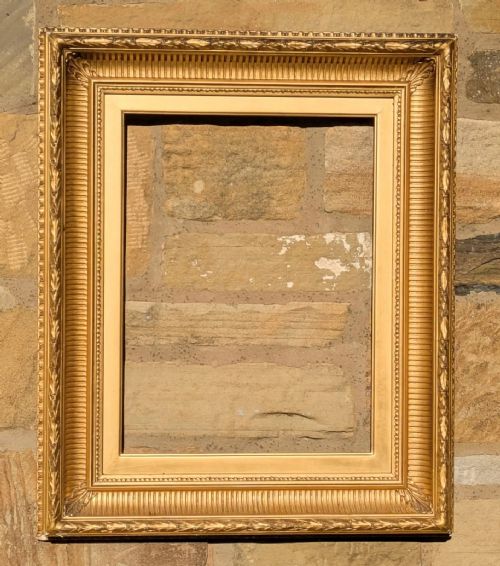
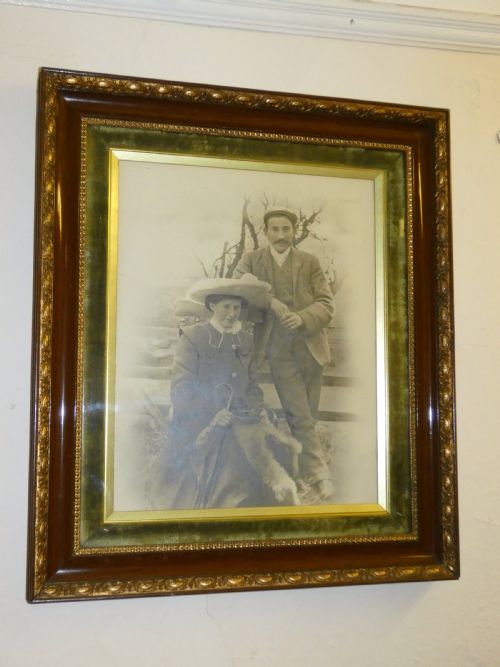


Heavy Wood Picture Frame
A heavy wood picture frame brings substance and architectural presence to a wall, holding large oils and mirrors with authority.
Heavy Wood Picture Frame
When you search for a heavy wood picture frame, you encounter substantial Victorian and nineteenth-century mouldings designed to carry significant artworks and mirrors. The selection spans deep nineteenth-century gilt frames, large rococo revival examples, and twentieth-century variations with linen slips.
Most pieces on this page originate from the nineteenth century, including specific dates from eighteen seventy up to nineteen hundred, alongside grand regency and rococo revival styles. They function as picture frames, wall mirrors, and framed art, distinguished by their considerable depth and weight.
Victorian examples dominate the listings, often featuring deep profiles that project outward from the wall. You will also find wall mirrors and overmantle mirrors sharing the same heavy wooden construction and gilded finishes.
How they were made
These frames rely on a solid wooden carcass built to support heavy canvases, finished with layers of gesso to build up intricate decorative motifs. Artisans applied gold leaf over the prepared gesso surfaces to achieve the characteristic metallic sheen seen on the giltwood and gilt examples.
Surfaces are often enhanced with sand textures, linen slips, and brass elements to frame the central aperture. The joinery and moulding techniques reflect nineteenth-century workshop practices, combining carved wood with applied composition ornamentation.
Heavy Wood Picture Frame Retail Price Guide 2026
Typical asking prices for heavy wood picture frame among the pieces listed under this phrase on Sellingantiques today, from the lower quarter to the upper quarter. They describe what is for sale here now, not the wider market.
Listings feature periods from the nineteenth century up to nineteen thirty, including Victorian, Edwardian, and grand regency styles.
What varies in quality
Quality reveals itself in the crispness of the gesso moulding and the depth of the wooden profile, separating standard production from finer decorative work. The application of gold leaf and the preservation of original gilt surfaces dictate the visual impact of each piece.
The integrity of the heavy wooden structure and the sophistication of revival styles, such as rococo or grand regency, determine the distinction between simpler utilitarian mouldings and exceptional decorative frames.
The Heavy Wood Picture Frame Glossary
- Gesso
- A plaster-like mixture applied to wood as a base for gilding and ornamentation. It allows artisans to carve intricate relief patterns before applying gold leaf.
- Giltwood
- Wood carved and covered with thin sheets of gold leaf or gold paint. This material provides the bright reflective surface characteristic of formal nineteenth-century frames.
- Linen slip
- A fabric-covered inner border placed between the outer frame and the artwork. It softens the transition from heavy gilt moulding to the canvas.
- Rococo revival
- A nineteenth-century design style reviving the asymmetrical scrolls and organic motifs of the eighteenth century. Frames in this style feature elaborate ornamental carving.
- Overmantle mirror
- A large mirror designed to hang specifically above a fireplace mantel. These pieces share the heavy wooden construction and scale of large picture frames.
Heavy Wood Picture Frame: Frequently Asked Questions
What holds a heavy wood picture frame securely on the wall?
These substantial frames require robust picture hooks and fixings screwed directly into wall studs or masonry. Because of the combined weight of the wood, gesso, and glass, standard picture wire is often replaced with heavy-duty D-rings.
Ensuring the hanging hardware matches the weight of the frame prevents structural strain and keeps the piece secure.
Can these frames be used for modern artwork?
The deep profiles and substantial weight of nineteenth-century mouldings provide a striking contrast to contemporary paintings and photographs. Many buyers pair these historic frames with modern canvases to create a layered aesthetic.
Professional framing ensures the artwork fits securely within the deep rebate without damaging the original wood structure.
How do I distinguish Victorian frames from later styles?
Victorian examples rely on dense timber carcasses, heavy gesso ornamentation, and distinct revival motifs like rococo scrolls. Later twentieth-century versions often incorporate simpler profiles or functional additions like linen slips.
Examining the backboards, fixings, and the composition of the gesso helps clarify the period of manufacture.