




Heavy Wood Cabinet
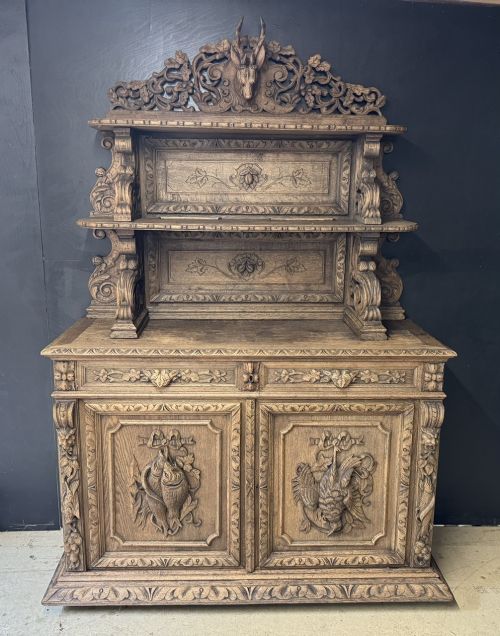
A heavy wood cabinet grounds a room with serious timber and deep carving, offering robust storage built to outlast generations.
Heavy Wood Cabinet
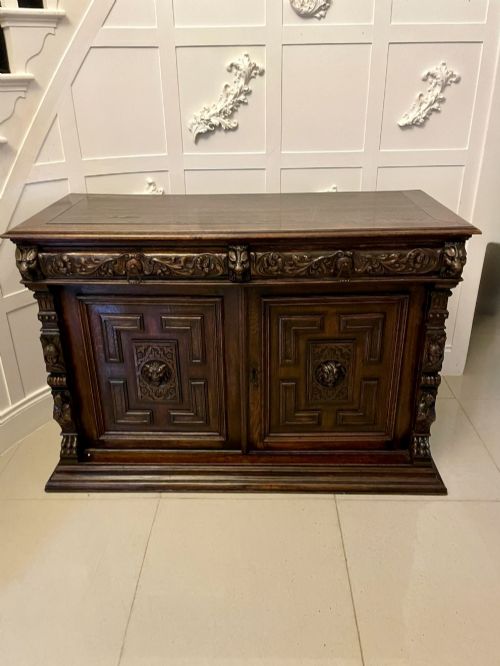
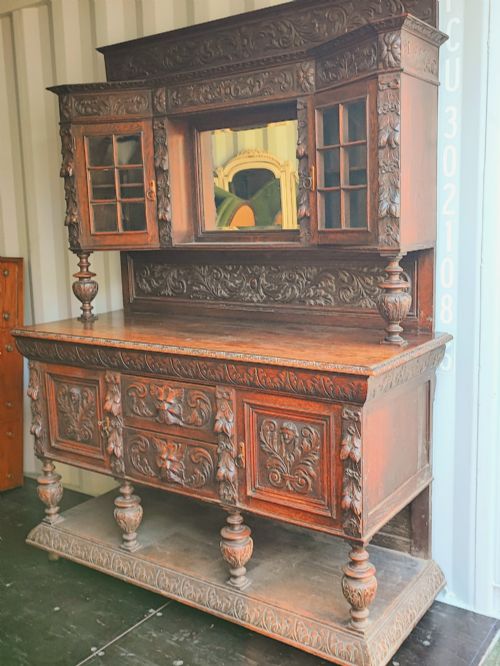
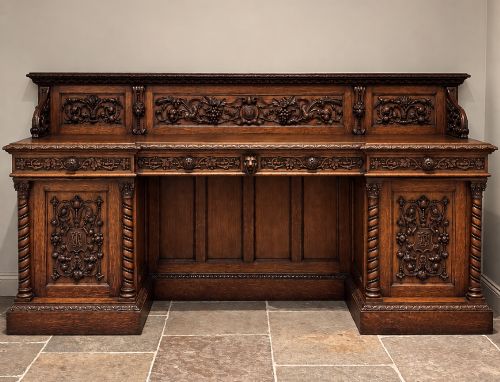
A heavy wood cabinet encompasses substantial sideboards, bookcases, and storage cupboards designed with deep presence and functional weight. When searching for a heavy wood cabinet, buyers encounter pieces primarily shaped from sturdy timber and enriched with historical revival styles.
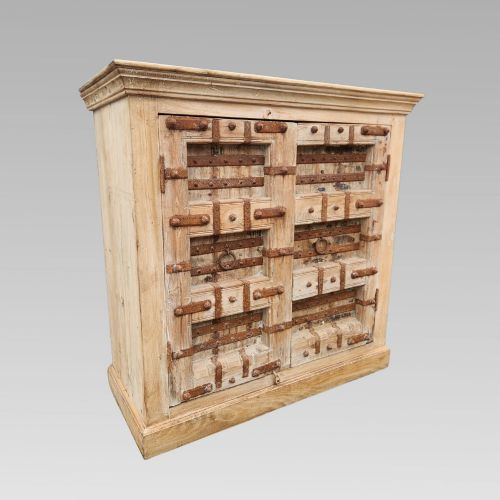
The selections available lean heavily towards Victorian and nineteenth-century examples alongside traditional Indian and Flemish interpretations. Common forms include grand sideboards with stretcher bases, breakfront bookcases, and robust dresser bases featuring prominent carved detailing.
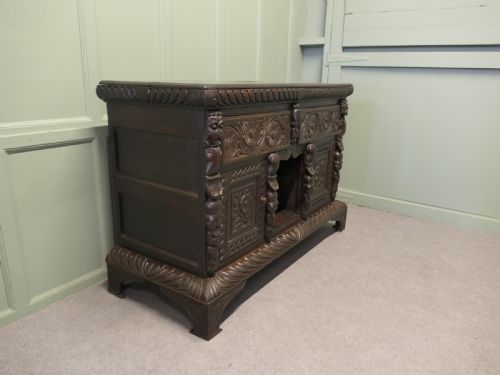
Victorian oak and carved revival pieces dominate the offerings, bringing dense construction and architectural facades into domestic spaces. These larger formats demand adequate floor space and high ceilings to balance their sheer physical scale.
Materials and construction methods
Makers relied on solid oak, teak, and rosewood to achieve the necessary structural integrity for these substantial pieces. Oak forms the backbone of the nineteenth-century and Victorian examples, often worked with deep relief carvings and applied mouldings.
Metal and brass hardware, including heavy handles, strap hinges, and secure safe mechanisms, provide functional contrast to the dark timber surfaces. Glass panels appear in bookcase doors, while iron supports and mirrored backs add secondary utility to large sideboards and cupboards.
Heavy Wood Cabinet Retail Price Guide 2026
Typical asking prices for heavy wood cabinet among the pieces listed under this phrase on Sellingantiques today, from the lower quarter to the upper quarter. They describe what is for sale here now, not the wider market.
Listings feature robust nineteenth-century forms including breakfront bookcases, banker's drawers, and elaborate sideboards constructed from oak, teak, and rosewood.
Assessing quality and craftsmanship
The standard of a piece rests upon the crispness of its hand-carving and the stability of its joinery. Superior examples display deeply undercut foliage, figures, or Green Man motifs that retain sharp edges and clear definition across the timber grain.
Timber selection and thickness dictate longevity, with premier pieces utilising quartersawn oak that resists warping despite the substantial weight of the structure. Original brasswork, well-fitted drawers, and intact backboards further distinguish finer workshops from standard production.
The Heavy Wood Cabinet Glossary
- Breakfront
- A cabinet or bookcase where the central section projects forward from the flanking wings. This configuration creates visual depth and architectural interest across large pieces.
- Stretcher base
- A system of horizontal wooden bars connecting the lower legs of a cabinet or sideboard. It adds significant structural rigidity to heavy furniture.
- Green Man
- A sculptural architectural ornament depicting a human face emerging from or entwined with foliage. It appears frequently on nineteenth-century revival woodwork.
- Dresser base
- A low storage unit featuring drawers above lower cupboards or open shelving. It serves as a practical surface for serving or display.
Heavy Wood Cabinet: Frequently Asked Questions
How do I support a heavy wood cabinet safely?
These substantial pieces require level flooring to prevent structural twisting and door misalignment over time. Placing them away from direct heat sources protects the dense timbers from drying and splitting.
Securing very tall bookcases or top-heavy cupboards to a solid wall using appropriate brackets is essential for household safety. Distributing weight evenly across interior shelves also prevents sagging in older timber.
What styles define these large cabinets?
Victorian Gothic, Jacobean, and Renaissance revivals heavily influence the decorative vocabulary of these pieces. Deep mouldings, strapwork, and figural carvings reflect a nineteenth-century fascination with historical design.
Regional variations, such as Flemish influence or reclaimed Indian teak storage units, introduce alternative carving techniques and timber tones. Each style dictates the specific proportion of applied ornamentation.
How should I clean and maintain antique oak?
Regular dusting with a dry, soft cloth prevents particulate buildup in deep carved recesses. Applying a quality beeswax occasionally nourishes the wood and maintains a soft sheen without creating a heavy buildup.
Avoiding silicone-based polishes preserves the original patina of the timber. Keeping the room humidity stable prevents the wood from expanding or contracting excessively.
How do I distinguish nineteenth-century revival pieces?
Examine the interior construction, drawer linings, and rear boards for tool marks and timber consistency that match the stated period. Machine-cut elements and uniform secondary woods often point to specific Victorian manufacturing methods.
Stylistic cues, such as exaggerated proportions or specific revival motifs like the Green Man, help date the piece alongside any stamped maker marks or dated inscriptions.