







Heavy Table Lamp
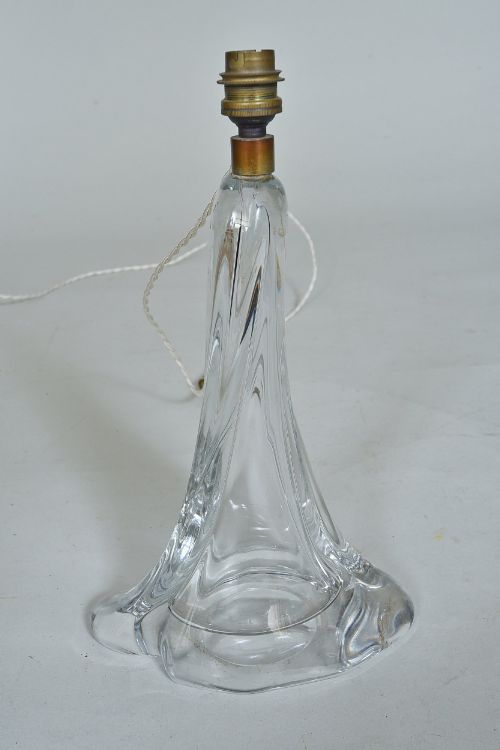
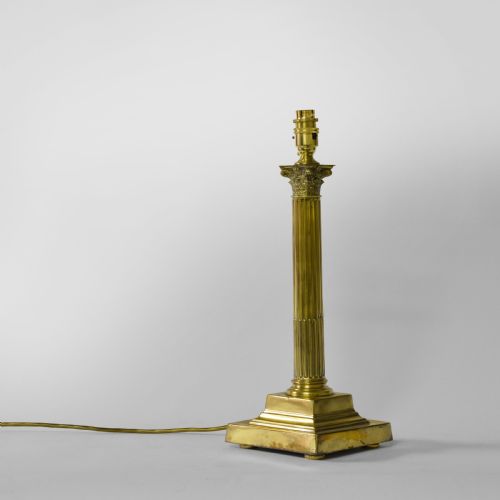
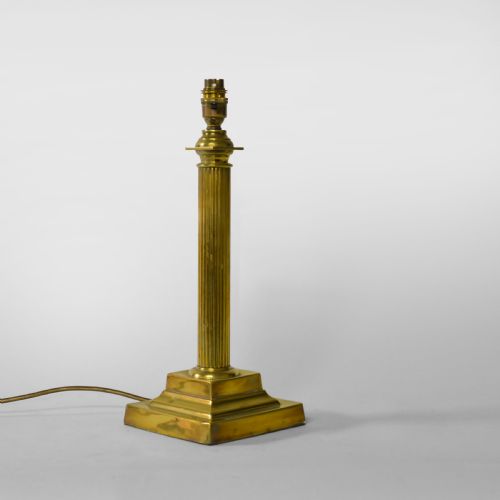
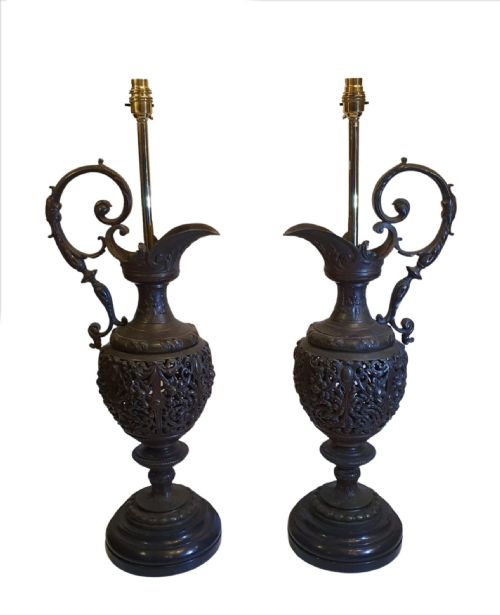
A heavy table lamp anchors a room with substantial weight, bringing period brass, bronze, and cut crystal directly onto the sideboard.
Heavy Table Lamp
A heavy table lamp brings considerable physical presence to an interior, often originating as a converted oil lamp, altar candlestick, or classical column. When you search for a heavy table lamp, you encounter solid brass, bronze, and cut crystal constructions designed to stay firmly planted on a desk or side table.
The selections span the nineteenth century through the mid-twentieth century, capturing Victorian classical revivals, Gothic designs, and French neoclassical forms. Architectural columns and monumental candlesticks dominate the available shapes, showing how earlier lighting vessels adapted for modern electricity.
How they were made
The construction relies heavily on cast and turned brass, heavy bronze, and thick cut crystal glass. Metals are cast in substantial gauges, giving these bases their defining heft, while marble and silver plating add contrasting textures.
Makers utilised traditional foundry and lapidary techniques, turning columns on lathes and hand-cutting glass facets to catch the light. Components were threaded or pinned together securely to support the weight of tall shades and oil reservoirs.
Heavy Table Lamp Retail Price Guide 2026
Typical asking prices for heavy table lamp among the pieces listed under this phrase on Sellingantiques today, from the lower quarter to the upper quarter. They describe what is for sale here now, not the wider market.
Materials span heavy cast brass, bronze, silver plate, and polished marble.
What varies in quality
Quality rests in the crispness of the casting detail on capitals and bases, where sharper acanthus leaves and fluted columns distinguish better workshops. Heavier gauge metal and well-proportioned stepped plinths separate monumental examples from lighter utilitarian pieces.
The integrity of the material itself marks the higher tier, seen in deep hand-cut patterns in crystal and genuine two-tone polished marble rather than composite substitutes. Fine chasing on bronze ewers and balanced proportions across matched pairs elevate the piece above standard production.
The Heavy Table Lamp Glossary
- Ionic column
- A classical architectural support featuring distinctive scroll-shaped volutes on the capital. These forms frequently inspired nineteenth-century lighting design.
- Corinthian column
- An ornate classical order characterised by capitals decorated with carved acanthus leaves. It provides a grand, decorative silhouette for tall metal lamp bases.
- Ewer
- A large jug with a wide spout traditionally used for pouring water. Converted examples utilise the vessel's substantial body and handle for dramatic sculptural lamps.
- Cut crystal
- Glass shaped through wheel-cutting to create sharp, reflective facets. This material adds significant weight and brilliance to mid-nineteenth-century table lighting.
- Gothic Revival
- A nineteenth-century style drawing inspiration from medieval architecture and ecclesiastical metalwork. Pieces from this movement display pointed arches, trefoils, and heavy brass construction.
Heavy Table Lamp: Frequently Asked Questions
How do I wire an old lamp?
Rewiring typically involves running modern cable up through the centre channel or historical burner assembly of the metal or glass body. A qualified electrician should handle the internal components to ensure safe operation with contemporary plugs.
Original switches and brass holders are often retained where possible to preserve the historical character of the piece, pairing modern safety standards with antique materials.
What rooms suit a heavy lamp?
Substantial bases suit studies, hallways, and living rooms where furniture scale demands a commanding vertical element. Their weight prevents tipping on side tables or desks used frequently.
Placing them on low sideboards or reading tables allows the brass or cut glass to catch natural light during the day while providing focused illumination at night.
How do I clean antique brass?
Dusting with a dry, soft cloth prevents the accumulation of grime in the crevices of cast ornament. Avoid harsh chemical polishes that strip away historical patina.
Leaving the natural mellow tone of aged brass intact maintains the visual depth that collectors value in nineteenth-century metalwork.
Are these lamps sold as pairs?
Many listings include matched pairs originating from altar sticks or classical garnitures. These coordinated sets balance mantelpieces or wide side tables effectively.
Single lamps appear equally often, offering a strong focal point for narrower surfaces or smaller reading areas.