



Heavy Oak Pedestals
Heavy oak pedestals bring sculptural weight and rich grain to a room, offering sturdy support for display.
Heavy Oak Pedestals
Heavy oak pedestals encompass architectural columns and display plinths fashioned from solid timber. These items emerge primarily from the Victorian period through to the nineteen thirties.
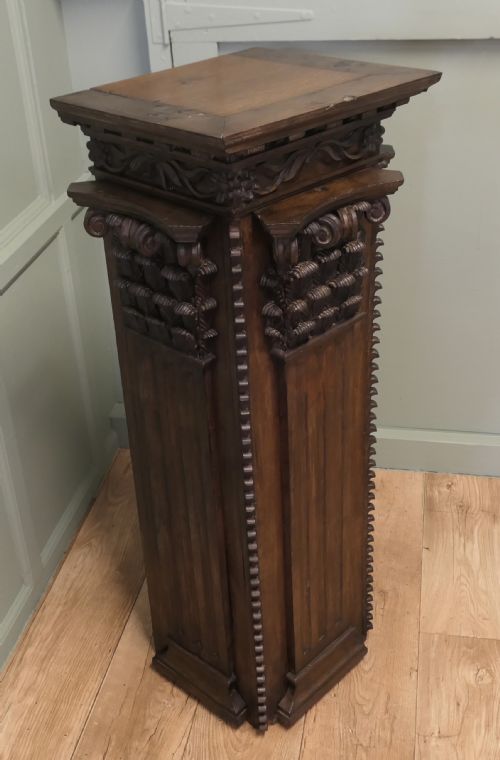
The most common form encountered on this page is the carved spiral pillar or column display pedestal. Pieces draw upon Jacobean revival and French Renaissance styles to create substantial visual impact.
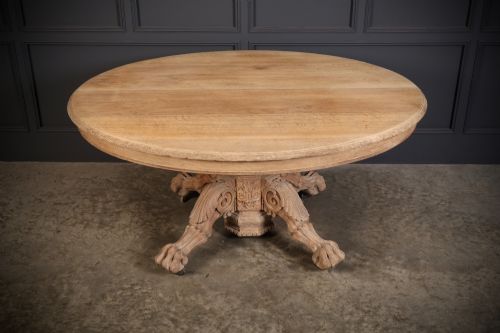
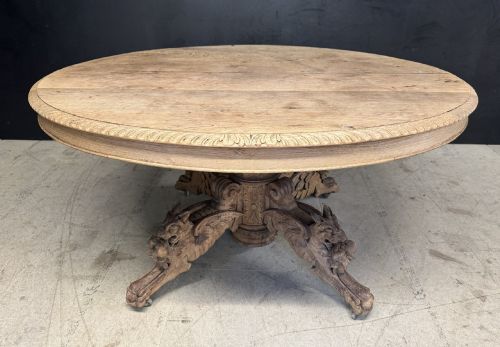
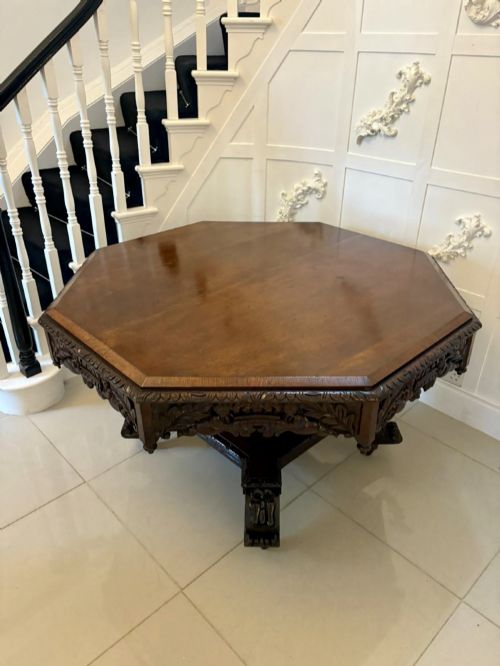
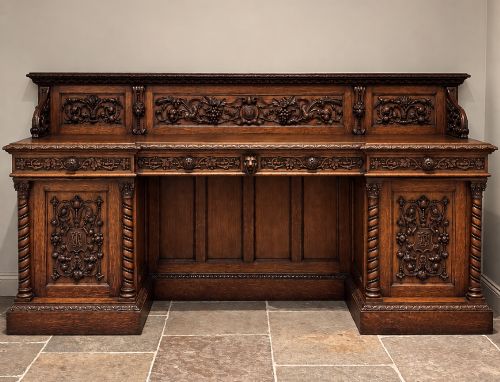
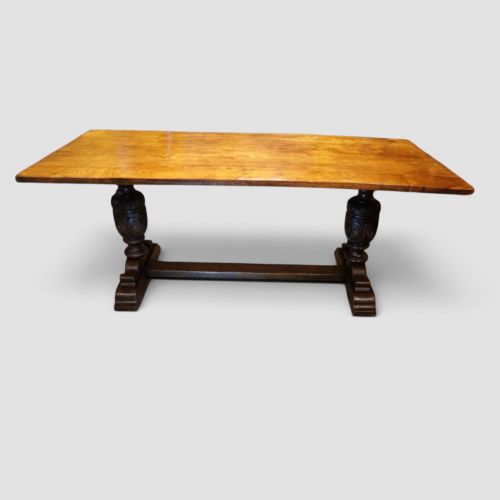
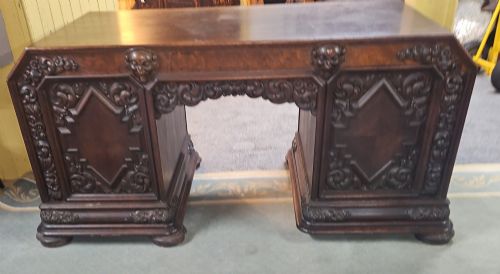
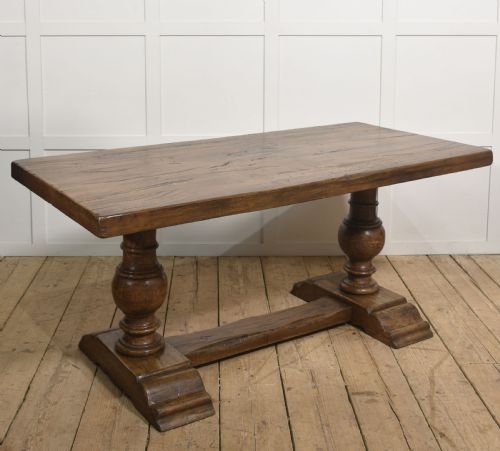
Beyond standalone columns, the search phrase connects to related heavy oak furniture forms such as centre tables and desks featuring robust pedestals. Origins span nineteenth-century British workshops and continental European makers.
How they were made
Construction relies heavily on solid oak timber, sometimes finished in a bleached tone to alter the natural warmth of the grain. Workshops utilised robust joinery methods to support the substantial weight of these objects.
Carving defines the ornamentation, with artisans applying deep relief work, spiral turning, and classical revival motifs by hand. Iron elements appear occasionally, adding structural reinforcement to complex assemblies.
Heavy Oak Pedestals Retail Price Guide 2026
Typical asking prices for heavy oak pedestals among the pieces listed under this phrase on Sellingantiques today, from the lower quarter to the upper quarter. They describe what is for sale here now, not the wider market.
Listings feature items spanning the nineteenth century, including specific dates from eighteen sixty up to nineteen thirty.
What varies in quality
The depth and crispness of the hand carving separate standard commercial items from exceptional commissions. Vigorous execution in floral motifs and classical details reveals the hand of a skilled artisan.
Proportion and timber selection dictate the overall presence of a column, with straight-grained solid oak outperforming lesser assembled woods. The integrity of the structural core ensures stability beneath displayed objects.
The Heavy Oak Pedestals Glossary
- Jacobean Revival
- A nineteenth-century stylistic movement mimicking seventeenth-century English design. It uses dark wood, heavy turnings, and geometric panel moulding.
- Bleached Oak
- Timber treated with chemical agents to lighten the natural colour. This process highlights the grain while modernising the appearance of nineteenth-century furniture.
- Spiral Pillar
- A column carved or turned with a twisting rope design. This form provides vertical movement and visual rhythm in Victorian architectural supports.
- Refectory Table
- A long dining table traditionally used in monasteries and large halls. Examples in this category utilise heavy timber planks and sturdy underframes.
Heavy Oak Pedestals: Frequently Asked Questions
Where should I place a heavy oak pedestal?
These columns suit entryways, corners of reception rooms, or focal points in a hallway where they display sculpture or ceramics effectively.
Ensure the floor surface is level and capable of supporting the dense timber weight without shifting.
How do I care for bleached oak surfaces?
Dust regularly with a soft, dry cloth to prevent particulate buildup within the textured grain of the timber. Avoid placing items in direct sunlight or near heat sources to prevent timber splitting.
Apply specialised wax sparingly if the surface appears dry, following the direction of the grain.
How do I distinguish Victorian revival from older work?
Examine the tool marks, timber shrinkage patterns, and assembly methods visible on the underside or interior surfaces. Nineteenth-century revivals often combine machine preparation with hand finishing.
Hardware and screw types also provide clues regarding the actual period of manufacture.
Can these pedestals support heavy stone sculptures?
Solid oak construction provides immense structural strength suitable for supporting substantial decorative objects. The broad base design ensures stability against accidental knocks.
Verify that the top platform surface makes full, even contact with the base of the object displayed.