





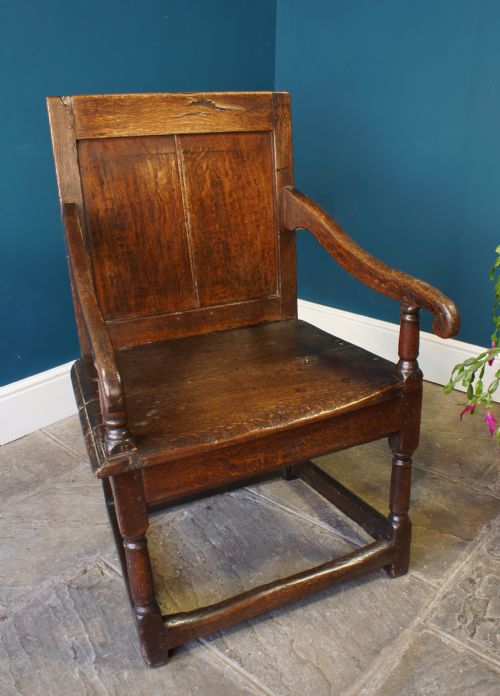
Heavy Oak Panels
Heavy oak panels form the structural and decorative core of these substantial period seating and storage pieces.
Heavy Oak Panels
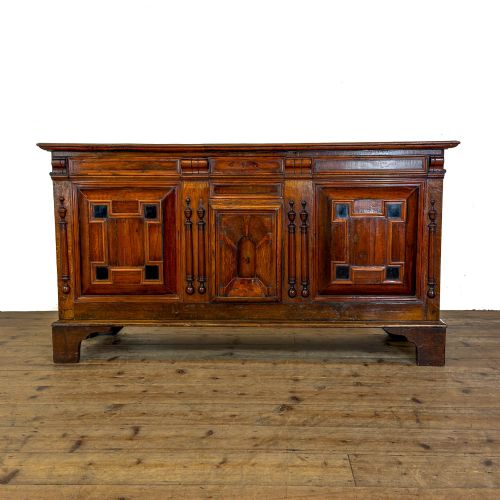
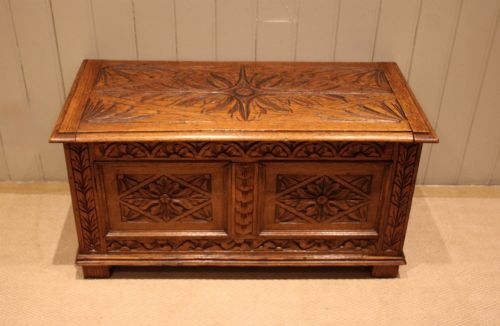
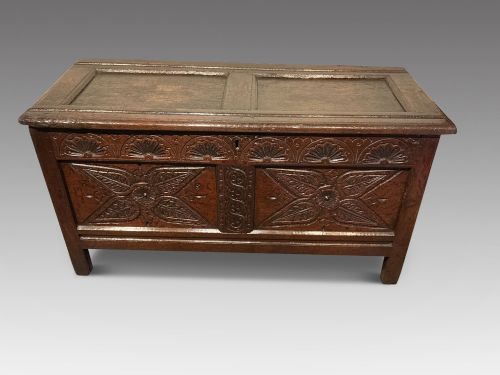
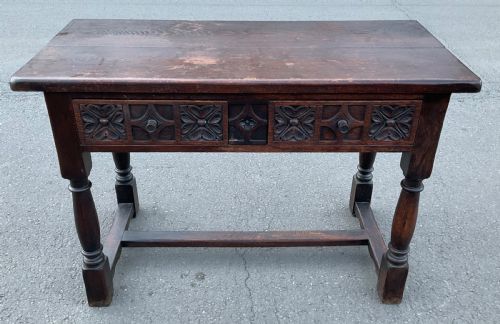
Heavy oak panels define the architecture of seventeenth-century and later furniture, appearing across wainscot chairs, coffers, and sideboards. These solid timber components were built to withstand generations of domestic use.
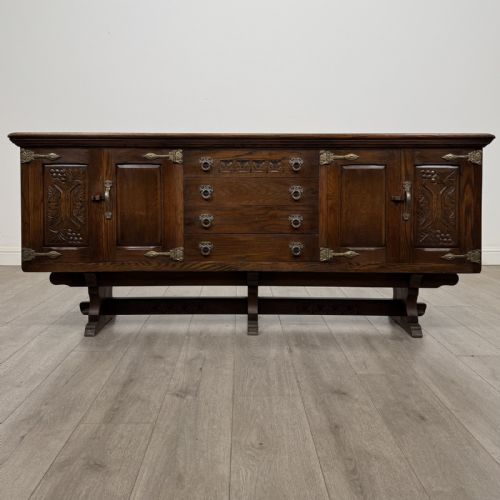
The pieces on this page span from sixteenth-century coffers to twentieth-century revival sideboards and armchairs. Revival items from the 1920s sit alongside genuine seventeenth-century chests and chairs.
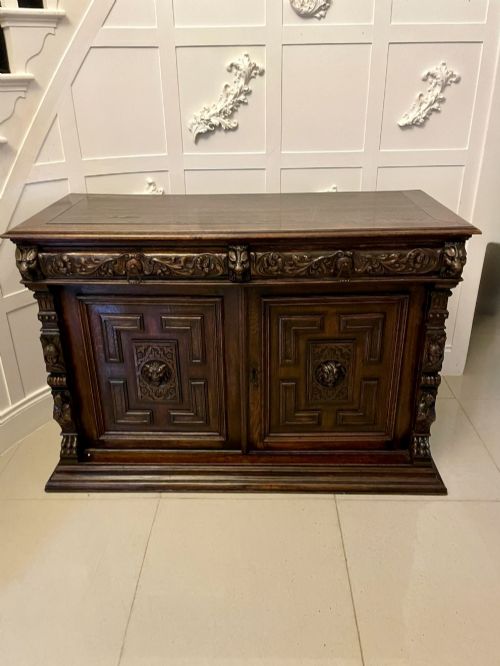
Buyers seeking heavy oak panels encounter deep mouldings, fielded designs, and carved details rooted in Jacobean, Gothic, and Renaissance traditions.
How they were made
Joiners constructed these items using solid oak assembled with traditional frame and panel techniques. This method allowed the heavy timber to expand and contract naturally with seasonal changes in humidity.
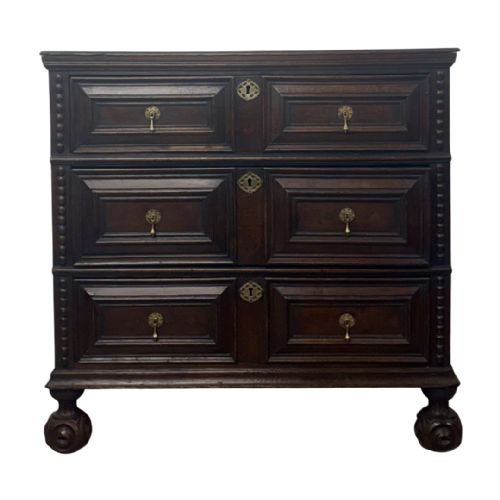
Secondary woods such as fruitwood and snakewood appear as decorative inlays and mouldings on specific seventeenth-century chests. Iron and brass hardware, including hinges and handles, secure the heavier structural elements.
Heavy Oak Panels Retail Price Guide 2026
Typical asking prices for heavy oak panels among the pieces listed under this phrase on Sellingantiques today, from the lower quarter to the upper quarter. They describe what is for sale here now, not the wider market.
One coffer carries a genuine 16th-century date, proving that early makers enjoyed leaving their mark for posterity to find.
What varies in quality
The depth and crispness of the carving distinguish standard production from superior examples. Master carvers worked the heavy oak with sharp, confident strokes that created strong relief and clear shadows.
Proportion and timber selection drive the hierarchy among these pieces. Uniform grain patterns and substantial board thickness elevate the presence of a coffer or wainscot chair.
The Heavy Oak Panels Glossary
- Wainscot chair
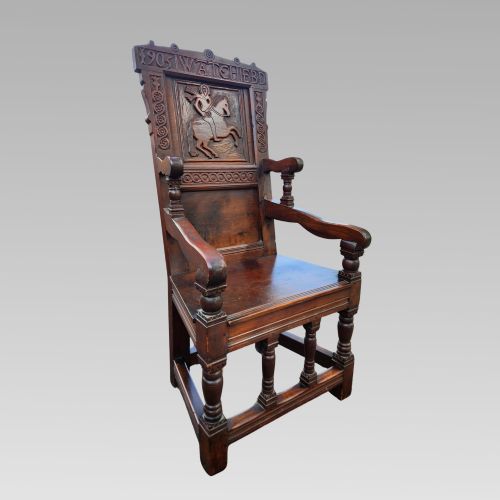
- A solid wooden armchair constructed with panelled backrests, popular in the seventeenth century. These seats display rigid upright posture and heavy arm supports.
- Coffer
- A large wooden chest used for storage, typically fitted with a flat lid. Early versions feature heavy front panels secured by stiles and rails.
- Jacobean Revival
- A nineteenth and twentieth-century style imitating seventeenth-century English design. Makers utilised heavy turned legs and deep geometric panel carving.
- Fielded panel
- A central portion of a wooden panel raised above the surrounding framework with bevelled edges. This technique reduces weight while maintaining structural rigidity.
- Stretcher base
- Horizontal wooden bracing connecting the legs of a table, chair, or sideboard near the floor. It adds stability to heavy pieces.
Heavy Oak Panels: Frequently Asked Questions
How do I date an oak coffer?
Examine the construction methods, tool marks on the timber, and the style of the panel mouldings. Hand- cleft boards and traditional peg joints typically indicate earlier periods.
Later revival pieces from the twentieth century often display machine-sawn timber edges and modern fixings hidden beneath the surface.
Can I use these pieces in modern rooms?
Heavy oak furniture anchors modern interior spaces through natural texture and grounded proportions. Sideboards, writing tables, and armchairs integrate easily into contemporary layouts.
Keep solid oak items away from direct heat sources and sudden humidity shifts to protect the timber and panels.
What is a wainscot chair?
A wainscot chair is a heavy wooden armchair featuring a panelled back and solid seat. Originating when timber was precious, these seats were reserved for heads of households.
They offer upright seating and heavy armrests constructed using traditional mortise and tenon joinery.
How do I maintain solid oak furniture?
Apply traditional beeswax sparingly to nourish the dry timber and maintain a soft sheen. Avoid modern silicone sprays that build up and attract dust over time.
Protect the surface from moisture by using coasters and mats beneath any objects placed on tables or sideboards.