




Heavy Metal Strongbox
A heavy metal strongbox is a secure repository of iron, steel, or brass built to safeguard valuables, offering tangible domestic history.
Heavy Metal Strongbox
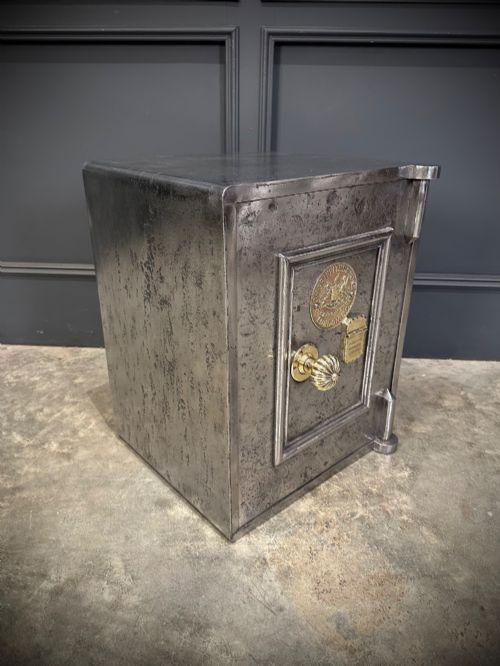
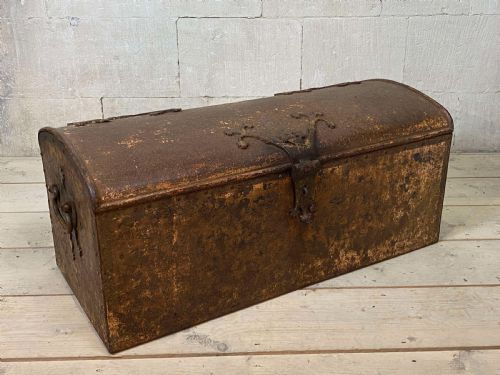
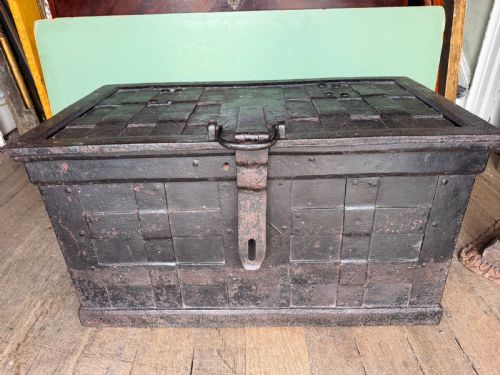
When you search for heavy metal strongbox, you encounter robust repositories built from iron, steel, brass, and oak designed to secure valuables. The offerings span from the sixteenth century through the Victorian era, encompassing Nuremberg coffers, Armada chests, and industrial safes.
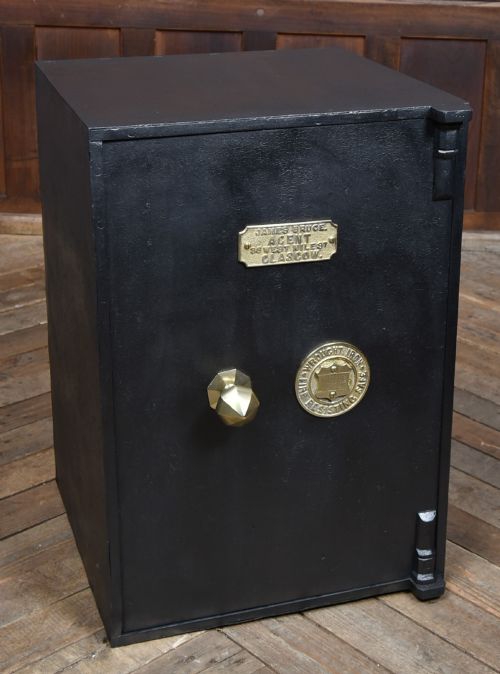
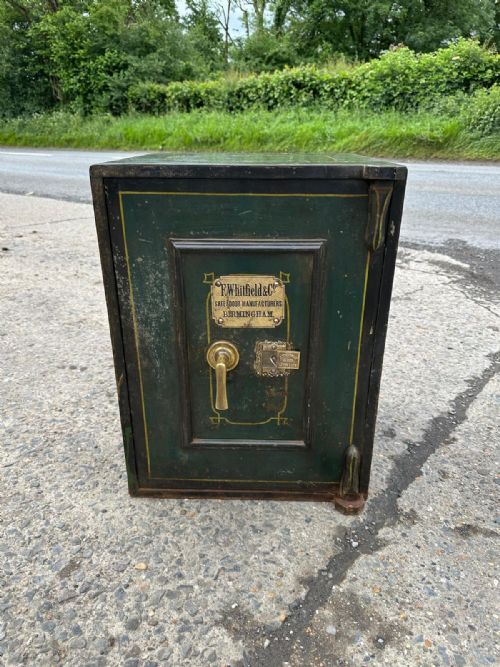
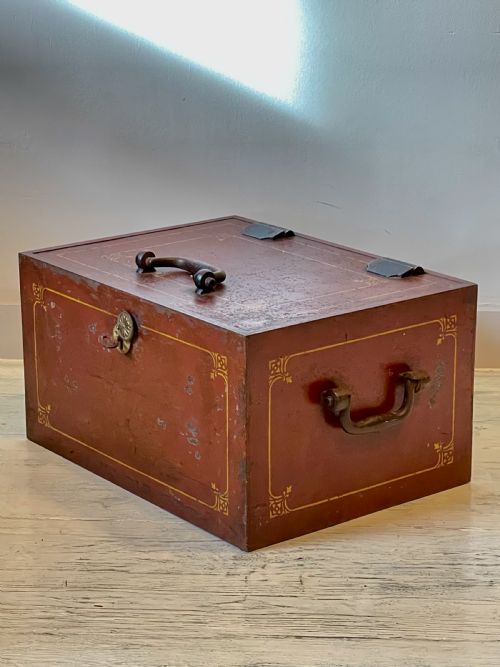
You are most likely to meet nineteenth-century cast iron safes and heavy metal strongboxes on this page, alongside earlier seventeenth-century examples. Forms range from ornate domestic lock boxes to substantial country house silver chests.
Origins vary from English makers in Liverpool and Glasgow to continental workshops in Germany. Each piece reflects the specific security needs of its period, utilising thick metal plates and complex internal locking mechanisms.
How they were made
Construction relies heavily on cast iron, wrought iron, and sheet iron, frequently reinforced with steel bands and brass fittings. Smiths and manufacturers forged, cast, and riveted these heavy materials to create impenetrable outer shells.
Internal elements often include intricate brass or iron locking systems, sometimes concealed behind decorative faceplates. Wooden carcasses, such as oak, appear in silver chests, clad entirely in protective metal banding.
Heavy Metal Strongbox Retail Price Guide 2026
Typical asking prices for heavy metal strongbox among the pieces listed under this phrase on Sellingantiques today, from the lower quarter to the upper quarter. They describe what is for sale here now, not the wider market.
Some seventeenth-century strongboxes conceal their entire locking apparatus beneath the lid, turning the keyhole into a clever puzzle for the uninitiated.
What varies in quality
The sophistication of the locking mechanism distinguishes standard utility boxes from exceptional pieces. Superior examples feature complex multi-bolt systems operated by elaborate keys, sometimes involving patented security innovations.
The artistry of the metalwork itself sets tiers of quality, ranging from plain industrial utility to finely engraved or painted iron surfaces. Intricate strapwork and decorative mounts indicate higher workshop status.
James Bruce·F. Whitfield and Co.·Milners of Liverpool·George Price
The Heavy Metal Strongbox Glossary
- Armada chest
- A heavy iron strongbox with internal locking mechanisms, traditionally associated with the Spanish fleet though largely manufactured in Germany.
- Nuremberg casket
- A portable iron strongbox decorated with etched or painted panels, originating from German workshops during the sixteenth and seventeenth centuries.
- Strongbox
- A secure metal container designed for storing money, documents, or plate against theft and fire.
- Wrought iron
- Iron that has been heated and hammered into shape by hand, showing fibrous grain patterns distinct from cast iron.
Heavy Metal Strongbox: Frequently Asked Questions
What is a heavy metal strongbox used for?
These boxes were historically utilised to protect currency, precious metals, legal documents, and family silver from theft and unauthorized access.
Today, they function as striking decorative objects and secure containers for modern valuables within the home.
How do I identify early strongbox periods?
Sixteenth and seventeenth-century pieces often display hand-chased ironwork, complex lid-locking mechanisms, and Nuremberg origins. Nineteenth-century examples generally feature heavy cast iron construction, maker plates, and patent locks.
Examining the hinges, fasteners, and internal boltwork helps differentiate hand-forged early items from later industrial manufacturing.
Are keys usually included with these safes?
Many surviving strongboxes retain their original or period-replacement working keys, which form an integral part of the mechanism. Some listings specify whether the complex locks remain fully operational with keys.
Locks on these pieces often require specialist knowledge if servicing or key replacement is needed.
How should I care for a metal strongbox?
Maintain the metal surfaces by keeping them in stable indoor humidity conditions to prevent oxidation or rust accumulation. Light cleaning with appropriate conservation wax preserves the historic finish of the iron and brass.
Avoid abrasive cleaners that might damage painted iron surfaces or aged patination.