




Heavy Lion Doorstop
A heavy lion doorstop holds open a solid timber door with weight and authority, drawn from nineteenth-century metalwork.
Heavy Lion Doorstop
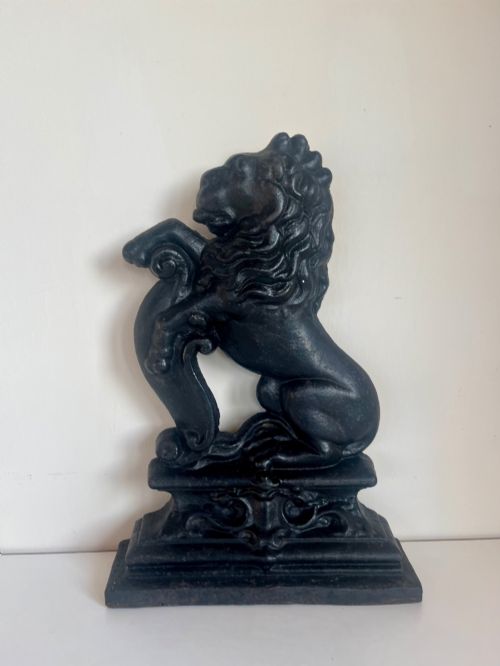
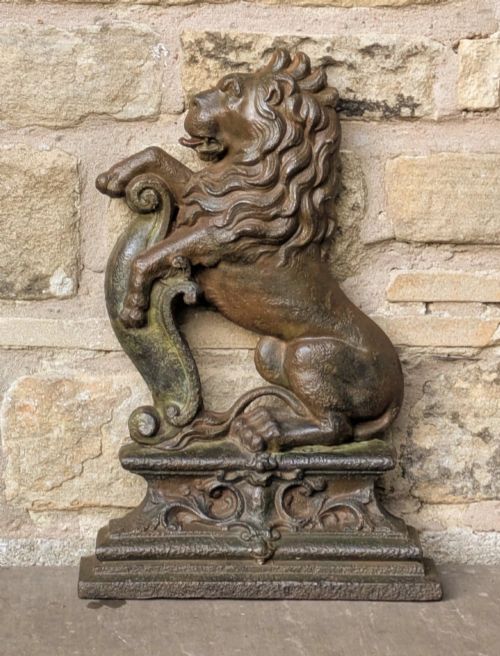
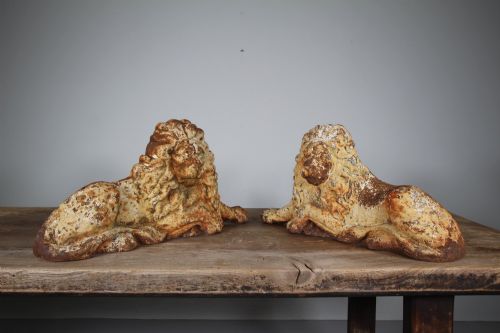
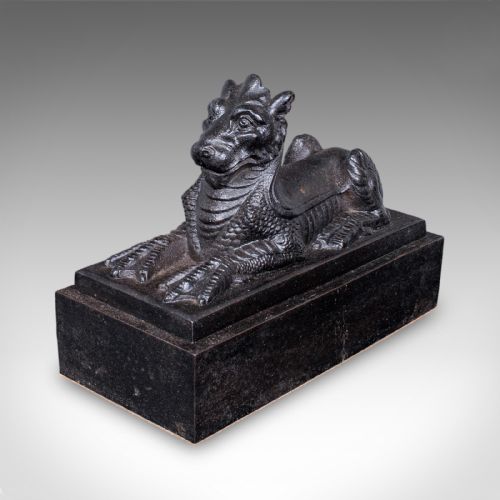
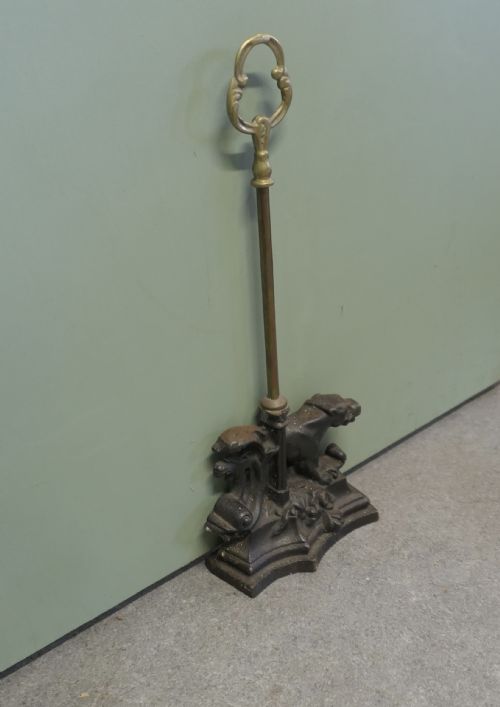
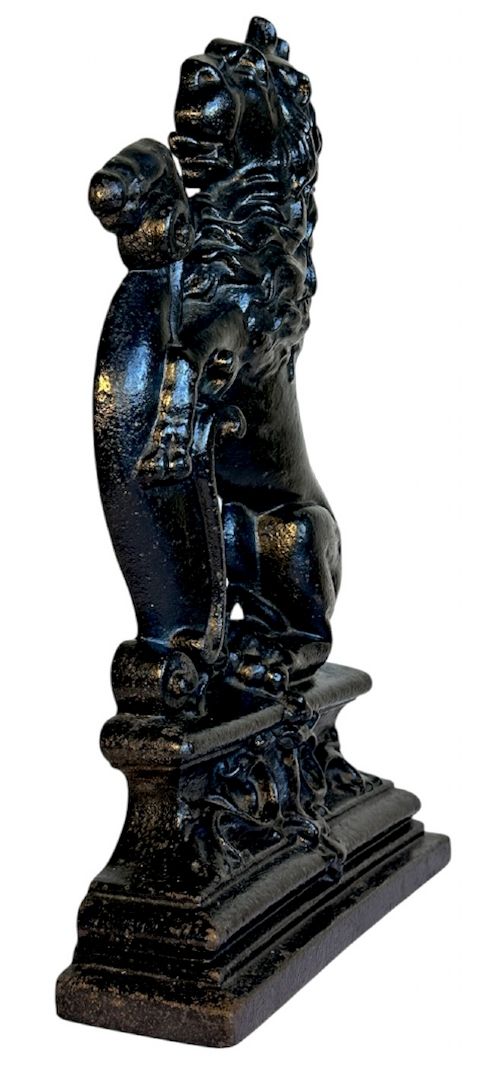
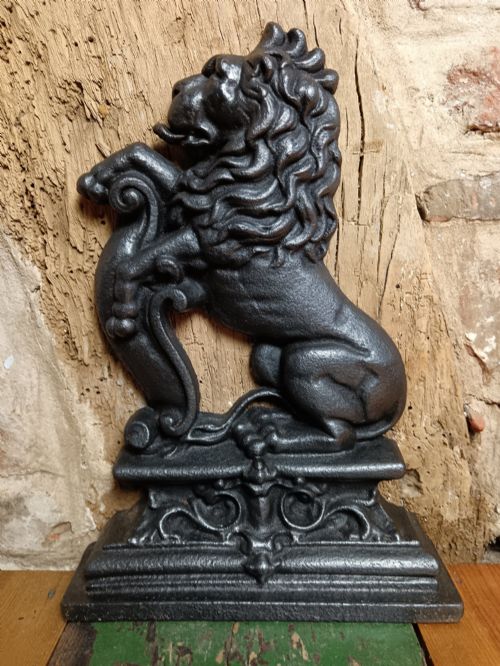
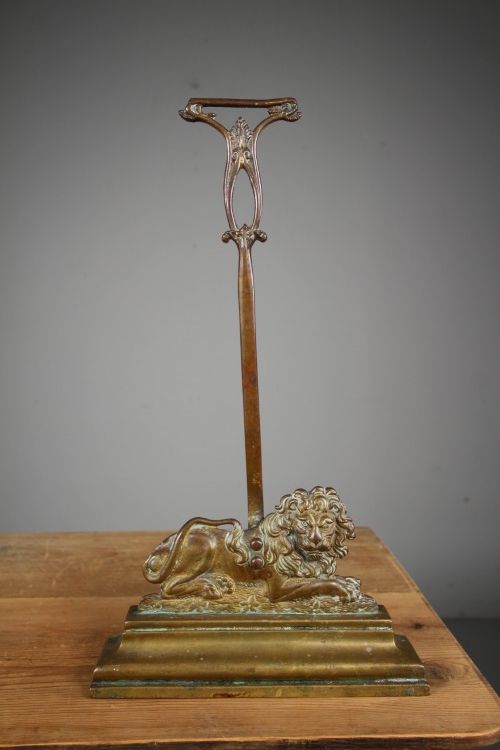
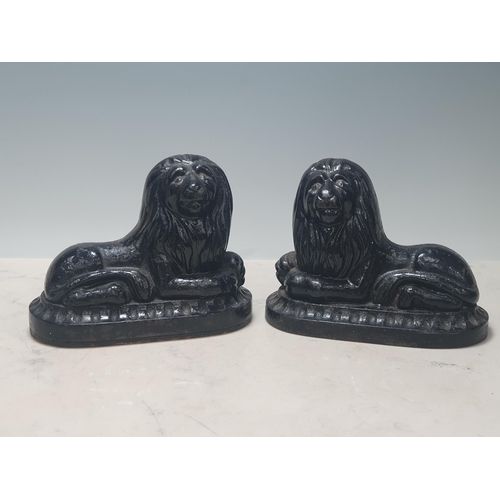
A heavy lion doorstop represents a substantial functional sculpture designed to keep internal portals firmly fixed in place. Buyers searching for a heavy lion doorstop will encounter robust examples shaped as rampants, guardians, and recumbent beasts.
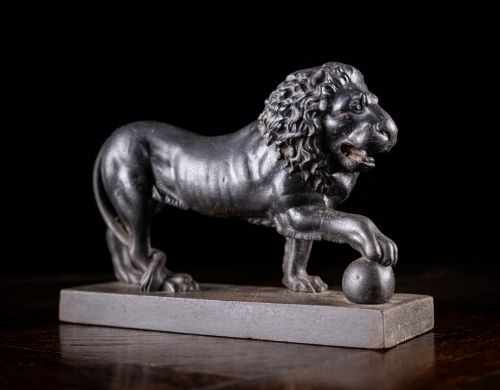
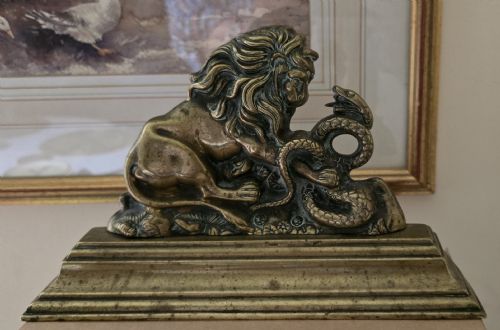
The objects on this page span the Victorian and Georgian eras, appearing in nineteenth-century forms such as door porters and boot scrapers. Many pieces adopt heraldic postures, drawing upon classical Medici traditions and mythological subjects.
How they were made
Foundries utilised heavy cast iron, brass, and bronze to achieve the considerable mass required for domestic utility. Molten metal was poured into sand moulds to capture the muscular definition of the leonine figures.
Surface treatments include black paint and natural patination upon cast brass and iron. Secondary elements like serpents and dolphins appear cast alongside the main feline bodies.
Heavy Lion Doorstop Retail Price Guide 2026
Typical asking prices for heavy lion doorstop among the pieces listed under this phrase on Sellingantiques today, from the lower quarter to the upper quarter. They describe what is for sale here now, not the wider market.
Several lions share domestic duties with intertwined serpents, cherubs, and dolphins.
What varies in quality
Quality rests in the crispness of the casting and the anatomical truth of the sculpture. Weaker examples lose detail in the mane and paws through worn moulds, while finer pieces retain sharp, spirited modeling.
The choice of metal alters the character of the object, with solid bronze and heavy cast brass offering a different visual weight compared to painted iron. Original surface finishes, whether early black paint or aged metal, dictate the integrity of the piece.
The Heavy Lion Doorstop Glossary
- Door porter
- A heavy portable weight used to hold doors open internally, often featuring an integrated handle at the top.
- Rampant
- A heraldic posture where the lion stands on one hind leg with forelegs raised aggressively.
- Recumbent
- A sculptural depiction of an animal lying down while remaining alert and upright in the head.
- Medici lion
- A classical marble prototype of a lion guarding a sphere, widely interpreted in nineteenth-century metalwork.
- Boot scraper
- A heavy metal floor fixture placed near entrances to clean mud from footwear.
Heavy Lion Doorstop: Frequently Asked Questions
How heavy is a typical doorstop?
These pieces possess substantial physical heft derived from solid cast iron or brass construction. This weight prevents heavy doors from swinging shut in draughty hallways.
Buyers should expect an object heavy enough to anchor a solid timber door securely against a wall.
Where were these pieces used?
Victorian and Georgian households utilised door porters in principal rooms, entrance halls, and libraries. They sat directly upon the floor to manage heavy interior doors.
Their decorative sculptural presence ensured they doubled as ornamental works when not actively propping a door.
How do I care for cast iron?
Cast iron requires minimal maintenance beyond gentle dusting and protection from damp environments. Wax can be applied sparingly to preserved painted surfaces to inhibit oxidation.
Harsh cleaning chemicals must be avoided to preserve the historic patina accumulated over the centuries.
How are Victorian pieces identified?
Nineteenth-century metalwork exhibits distinct sand-casting textures, heavy material density, and authentic period patination. Stylistic cues draw heavily from Gothic revival and Regency design motifs.
Construction methods reflect nineteenth-century foundry practices prior to twentieth-century mass production.