




Heavy Iron Trunk
A heavy iron trunk offers robust security and striking industrial character, combining utilitarian strength with centuries of expert metalwork.
Heavy Iron Trunk
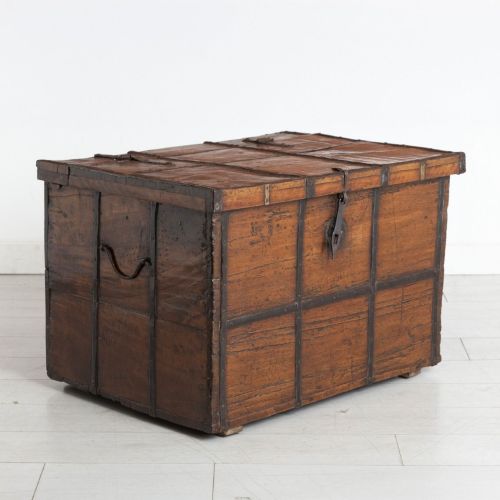
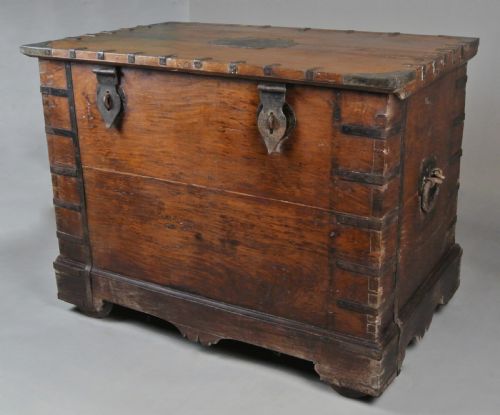
A heavy iron trunk serves as a durable receptacle designed for secure transport and storage of valuable goods across domestic and military settings. Buyers seeking a heavy iron trunk encounter robust examples ranging from English silver chests to colonial dowry chests and campaign cases.
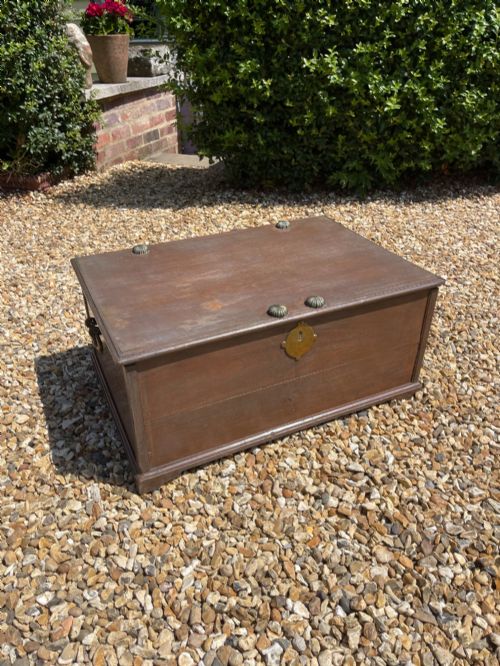
The pieces originating from the nineteenth century predominate on this page, constructed in sturdy woods like oak, teak, and pine, then reinforced with structural iron bands. These storage chests transition effortlessly into contemporary interiors as statement coffee tables, blanket boxes, or deep storage consoles.
Construction and materials
Craftsmen built the core carcases of these boxes using dense timbers such as oak, teak, and pine, chosen for their load-bearing capacity and resistance to splitting. Wrought iron, cast iron, and steel straps, bands, and hasps were then fastened across the corners and lids to protect the wood from the rigours of travel.
Heavy-duty brass and iron hardware, including recessed drop handles and complex locking mechanisms, completed the assembly to ensure contents remained secure during transit. This combination of dense timber and substantial metal reinforcement produced an exceptionally rigid container capable of withstanding rough maritime and land journeys.
Heavy Iron Trunk Retail Price Guide 2026
Typical asking prices for heavy iron trunk among the pieces listed under this phrase on Sellingantiques today, from the lower quarter to the upper quarter. They describe what is for sale here now, not the wider market.
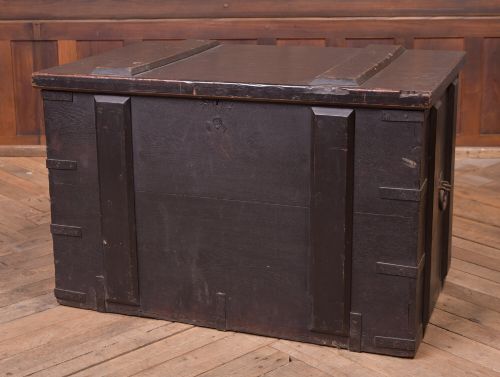
Listings feature robust nineteenth-century silver chests constructed from English oak and reinforced with heavy iron bands.
Assessing quality and craftsmanship
Quality rests in the integrity of the structural joinery, the weight and hand-forged nature of the iron banding, and the preservation of original internal fittings such as baize linings or compartment trays. Superior pieces display meticulous dovetail joints in the timber and complex, integrated locking systems that operate smoothly despite age.
The significance of the timber selection and the historical provenance further elevate a piece, distinguishing standard utilitarian boxes from elite military campaign chests or monumental dowry coffers. Greater care in the application of the iron straps and the survival of original carrying handles denote superior workshop production.
Allen of London·Elkington·H D Dean
The Heavy Iron Trunk Glossary
- Silver chest
- A heavy timber box reinforced with metal bands specifically designed and compartmented to store family silverware securely. These containers often include lift-out trays and heavy drop handles for transport.
- Campaign case
- A portable chest or trunk engineered for military officers on active service, featuring flush handles and durable construction. Such pieces dismantled or packed efficiently for transit on horseback or ship.
- Coffer
- A large, heavy chest traditionally used for holding valuables, money, or precious documents. Early examples often exhibit hand-carved wooden panels beneath structural ironwork.
- Damchiya
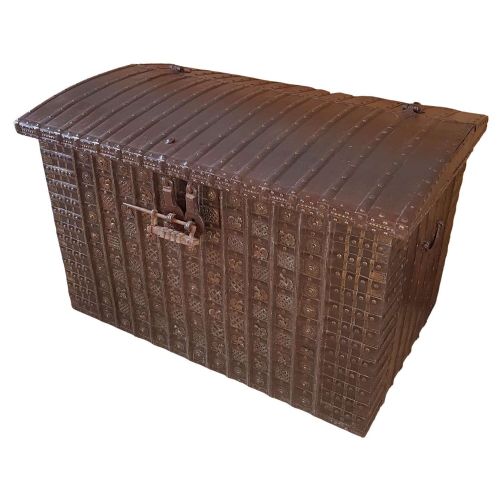
- A traditional Indian dowry chest characterised by low proportions, heavy iron banding, and intricate locking mechanisms. These storage items formed an essential part of household furnishings in Rajasthan.
- Hasps
- The slotted metal plates designed to fit over a staple and receive a padlock or pin. They secure the heavy lids of storage trunks against unauthorized access.
Heavy Iron Trunk: Frequently Asked Questions
What were heavy iron trunks used for originally?
These robust receptacles primarily transported and stored valuable household possessions, silver plate, or military equipment during transit by land and sea.
Their substantial construction ensured that contents remained secure from theft and environmental damage during long journeys.
How do I care for the iron work on a trunk?
Maintain the metal straps and hinges by applying a light microcrystalline wax to prevent oxidation while preserving the historical patina.
Keep the timber body nourished with appropriate traditional furniture wax, avoiding excessive moisture on both wood and iron surfaces.
Are these trunks suitable for daily use at home?
Their exceptional durability makes them ideal for everyday storage as coffee tables, blanket boxes, or deep hallway consoles.
The heavy lids require careful handling, but the internal capacities provide practical space for modern household items.
How can I distinguish a nineteenth-century box from an earlier one?
Nineteenth-century examples frequently feature machine-rolled iron bands, standardised screw fixings, and machine-cut dovetails within oak or pine carcases.
Earlier sixteenth and seventeenth-century pieces display hand-forged wrought ironwork, pegged joints, and adze marks that reflect manual woodworking techniques.