


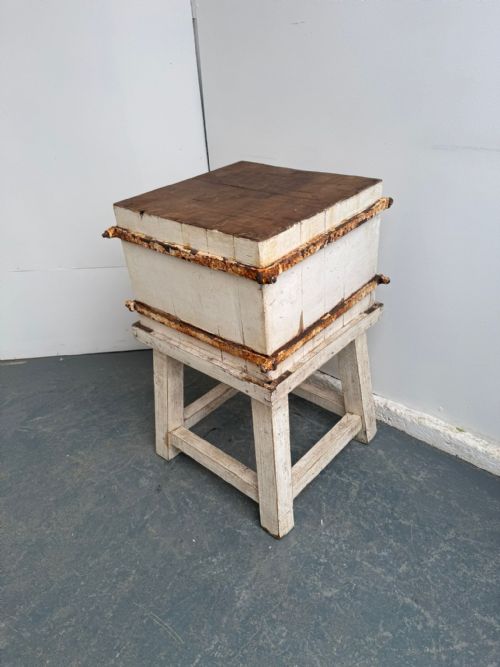


Heavy Iron Table
A heavy iron table anchors a room with industrial muscle, combining robust metal frames with timber or stone tops for lasting utility.
Heavy Iron Table
A heavy iron table brings industrial strength into domestic and commercial spaces, taking forms such as workbenches, pub tables, and garden settings. Buyers seeking a heavy iron table will encounter Victorian designs alongside early twentieth-century pieces.
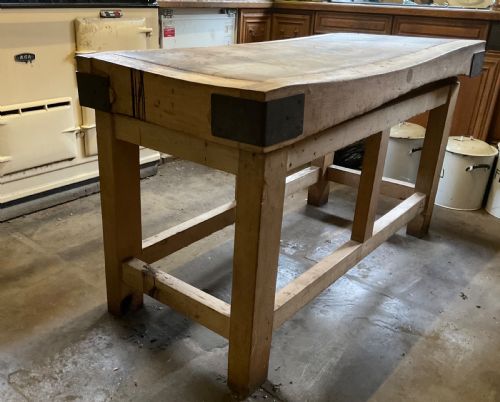
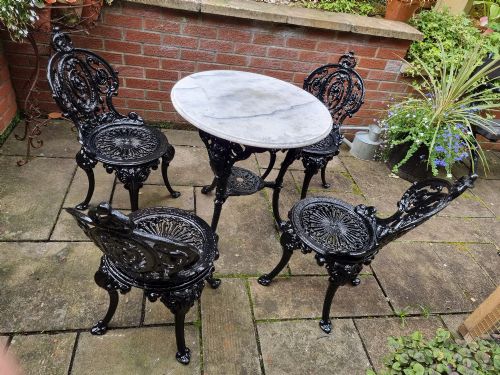
The selection ranges from robust café bases and ships tables to butchers blocks on stands and garden furniture sets. Many examples pair sturdy cast iron supports with tops made from oak, teak, elm, marble, or granite.
Originating across Britain, France, Hungary, and India, these utility pieces served practical functions in workshops, ships, and kitchens before entering the antique market. Their enduring appeal lies in the honest wear of the metal and wood.
Construction and materials
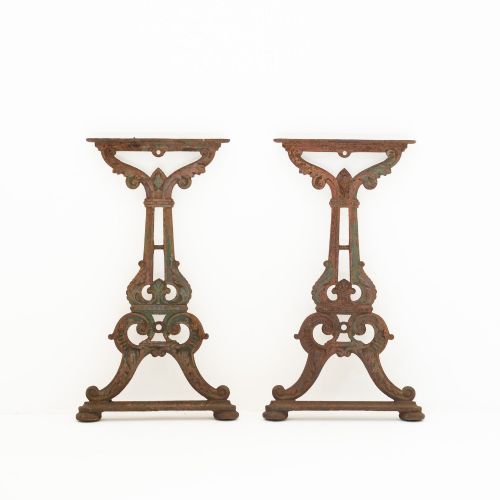
Foundries cast iron into intricate or utilitarian bases, utilising moulds to create stable supports that could bear immense weight. These metal frames were frequently paired with dense hardwoods such as oak, teak, elm, and beech.
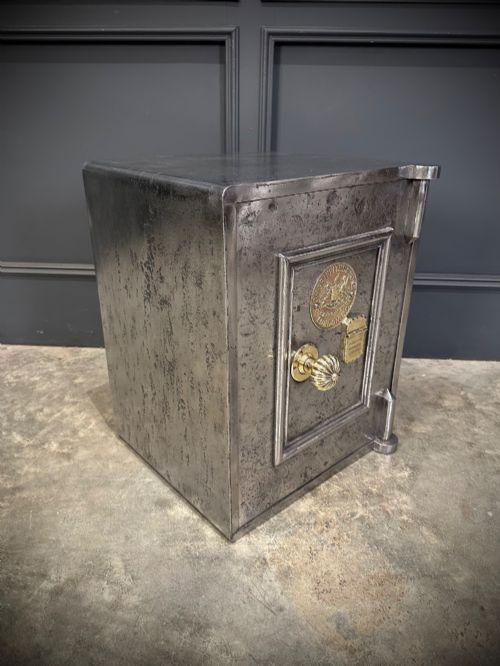
Many surfaces feature natural stone inserts like marble and granite, providing durable tops for food preparation or garden use. Iron components often include operational elements such as vices, hasps, and carrying hoops.
Heavy Iron Table Retail Price Guide 2026
Typical asking prices for heavy iron table among the pieces listed under this phrase on Sellingantiques today, from the lower quarter to the upper quarter. They describe what is for sale here now, not the wider market.
Current listings feature pieces spanning the Victorian period through to the 1930s, incorporating cast iron, oak, teak, marble, and granite.
Assessing quality and character
Quality rests in the crispness of the iron casting and the integrity of the fitted top, whether timber or stone. Superior examples retain original painted finishes or honest patination acquired through decades of functional use.
Proportion and weight distinguish utilitarian workshop pieces from more decorative parlour or pub tables. The synergy between the cast iron base and its corresponding top dictates the visual balance of the whole piece.
The Heavy Iron Table Glossary
- Cast iron
- Iron poured into a mould to take a desired shape, known for its compressive strength and weight. It forms the structural foundation of most industrial tables.
- Britannia metal
- A specific type of pewter alloy often associated with pub table bases. It provided a durable, silver-like finish for commercial furniture.
- Butchers block
- A thick wooden table top designed for meat preparation, frequently mounted on a sturdy iron or wooden stand. These surfaces show deep scoring from heavy use.
- Cannonball box
- A heavy timber storage chest reinforced with iron straps and hasps. These utilitarian containers often double as low tables in contemporary interiors.
- Portico table
- A heavy architectural console or side table designed to stand against a wall. They frequently incorporate dense stone tops and decorative iron supports.
Heavy Iron Table: Frequently Asked Questions
How heavy is a cast iron table base?
Cast iron is exceptionally dense, meaning these bases weigh significantly more than standard wooden furniture. This substantial weight ensures stability and prevents the table from shifting during daily use.
Positioning requires careful planning, especially when placing them on delicate flooring or upper levels. Assistance is usually necessary to move them safely.
Can these tables be used outdoors?
Many iron tables originate as garden furniture or pub sets designed to withstand the elements. Cast iron and stone or hardwood combinations endure outdoor conditions well if monitored for weathering.
Winter storage or protective covers help preserve painted finishes and prevent excessive corrosion on vintage metalwork.
How do I care for wooden tops with iron bases?
Timber surfaces require occasional treatment with natural oils or waxes to nourish the grain and protect against moisture. Avoid harsh chemical cleaners that strip the historic patination from the wood.
Iron frames generally need only a gentle wipe with a dry cloth to remove dust, preserving the original surface texture.
What styles are common among these tables?
The selection spans Victorian industrial designs, rustic French workshop pieces, and Art Deco café furniture. Each style reflects the practical demands of its original working environment.
Details like decorative pedestals, riveted banding, and integrated vices highlight the functional origins of these antiques.